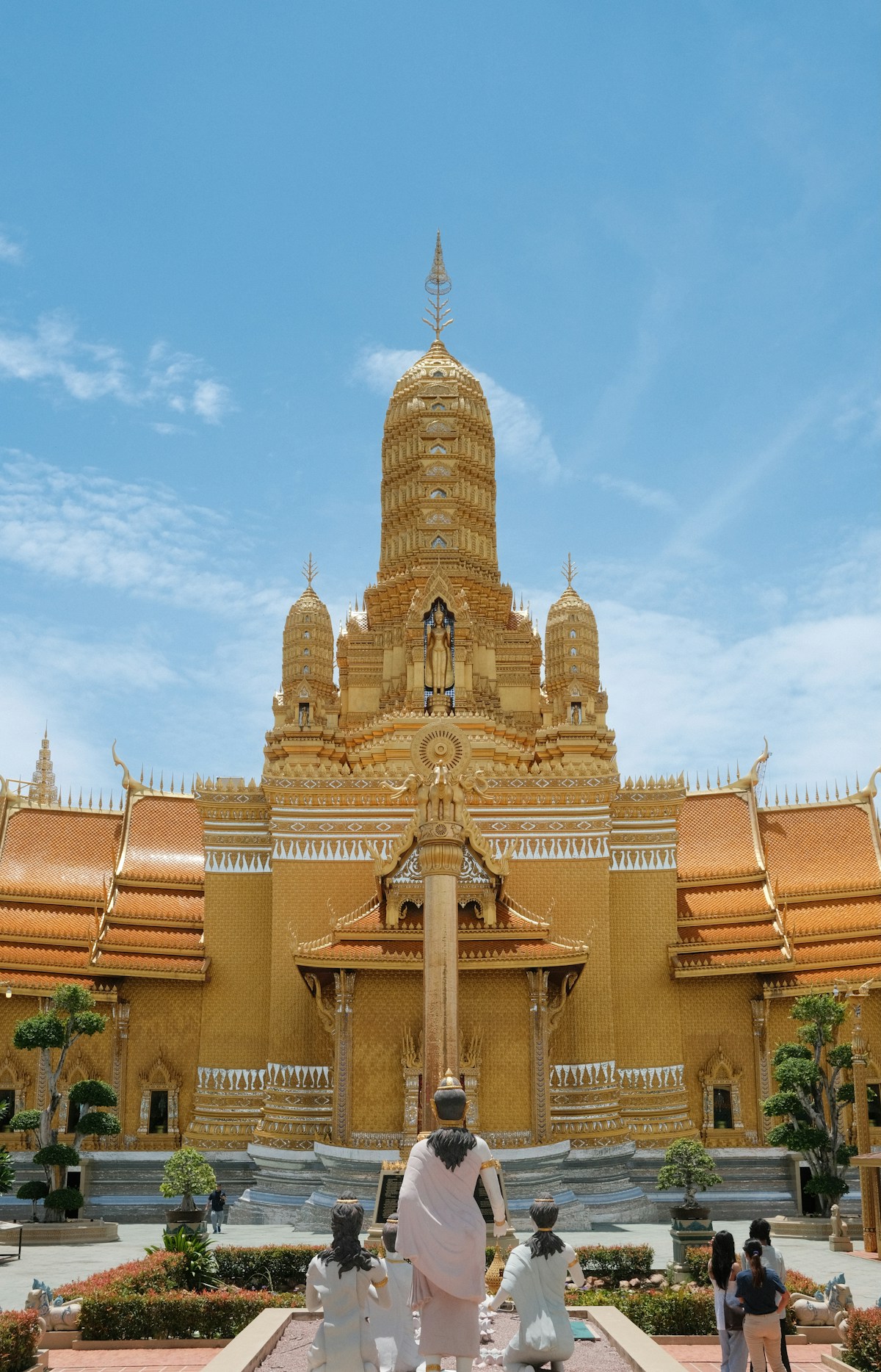
Thailand and Bali are two of the most-searched destinations in travel. They are both genuinely exceptional, but they are also quite different - one is a diverse country of 513,000 square kilometres, the other a single Indonesian island of 5,780 square kilometres. Understanding that difference is the starting point for choosing between them.
Quick Verdict
| Category | Thailand | Bali |
|---|---|---|
| Size and variety | Winner - country with 1,000+ islands | Single island, focused experience |
| Cost | USD 40–55/day budget | USD 35–50/day budget |
| Beaches | Winner - Gulf + Andaman, more options | Excellent beaches, fewer options |
| Culture | Buddhist, deep and varied | Hindu, deeply immersive |
| Food | Winner - world-class street food scene | Good warungs, strong café culture |
| Digital nomads | Growing fast (Chiang Mai) | Winner - Canggu, Ubud |
| First-timer | More variety | More focused, easier to plan |
| Nightlife | Phuket, Koh Samui | Seminyak, Kuta - comparable |
There is no wrong answer. The right choice depends on what kind of trip you want.
Choosing Thailand? Browse tours and activities across Thailand →
Climate and Best Time to Visit
Thailand has a split personality when it comes to weather. The Andaman coast (Phuket, Krabi, Koh Lanta) is best from November to April - this is the dry season when seas are calm and visibility is excellent for diving. The Gulf of Thailand coast (Koh Samui, Koh Phangan, Koh Tao) has its own pattern, with the best weather from January to September. If you are visiting Thailand primarily for the islands, choose your coast based on the time of year.
Bali has two clear seasons: dry (May to September) and wet (October to April). The dry season is the obvious choice for beach holidays. However, Ubud and inland Bali are pleasant year-round - the wet season brings lush green rice terraces and fewer tourists, and rain typically falls in afternoon showers rather than all day. July and August are peak season with the highest prices and most visitors.
Cost Comparison
Thailand and Bali are closely matched on cost, though Bali offers slightly better value on accommodation.
Bali budget travellers typically spend USD 35–50 per day: a guesthouse or simple room from USD 15–25, meals at local warungs from USD 2–5, and scooter rental at around USD 5–8 per day. The headline value proposition is private pool villas - in Canggu or Ubud you can find excellent options for USD 50–100 per night, sometimes less outside peak season.
Thailand budget travellers typically spend USD 40–55 per day: budget guesthouses from USD 10–20, street food from THB 50–150 per meal (USD 1.50–4.50), and excellent transport options. Island accommodation adds costs - staying beachfront on Koh Samui or Phuket pushes daily spending significantly higher.
At the mid-range and luxury level, Thailand’s established resort infrastructure - particularly in Koh Samui and Phuket - commands higher prices than equivalent Bali options. Bangkok’s fine dining scene is also notably expensive.
Neither destination requires a large budget to have an extraordinary trip. Both countries have excellent cheap eating and a huge range of accommodation options at every price point.
Top Experiences
Thailand:
Bangkok is one of Southeast Asia’s great cities and an excellent starting or ending point. The Grand Palace, Wat Pho, Chatuchak market, and a street food scene of extraordinary depth make it worth 3–5 days minimum. Nightlife ranges from rooftop bars to the Khao San Road budget traveller scene.
Chiang Mai is the cultural capital of northern Thailand - walled old city, hundreds of temples, night bazaars, cooking schools, and access to hill tribe regions. It also hosts Southeast Asia’s best cooking classes and has become one of Asia’s strongest digital nomad bases.
The islands are Thailand’s headline act: Phuket for nightlife and beaches, Krabi and Koh Lanta for more relaxed Andaman experiences, Koh Tao for world-class diving and snorkelling, Koh Phangan for Full Moon Party and jungle yoga, and Koh Samui for resort-quality beaches.
Bali:
Ubud is the cultural heart - rice terraces, the Monkey Forest, world-class dance performances, and a food and café scene that rivals any city in Southeast Asia. Tegalalang Rice Terraces and the Campuhan Ridge Walk are iconic. Yoga retreats here are among the most established in Asia.
Seminyak and Canggu offer Bali’s most developed beach club and café culture, with strong surf, world-class sunsets over the Indian Ocean, and the densest concentration of coworking spaces on the island.
Uluwatu has the island’s most dramatic scenery: clifftop temples, high-performance surf breaks, and the famous Kecak fire dance at sunset over the Indian Ocean. The southern peninsula beaches - Padang Padang, Bingin, Balangan - are among Bali’s finest.
Nusa Penida, the island visible off Bali’s southeast coast, adds snorkelling with manta rays, the famous Kelingking Beach cliff formation, and Angel’s Billabong natural pool.
Culture and History
Bali is unique in Indonesia as a Hindu island surrounded by the world’s largest Muslim-majority country. This isolation has preserved a distinctive living culture of temple ceremonies, daily offerings, elaborate festivals, and dance traditions. You do not need to seek culture out in Bali - it finds you. Small offerings (canang sari) appear on pavements, doorsteps, and altars every morning. Odalan temple anniversaries happen constantly across the island’s estimated 20,000 temples. This is culture as daily practice rather than museum exhibition.
Thailand’s Buddhist culture is equally visible and genuinely present - monks in saffron robes, temple visits integrated into daily life, and major festivals like Songkran (April) and Loy Krathong (November) that transform entire cities. The historical depth extends further than Bali - Ayutthaya, Sukhothai, and Chiang Mai’s old city walled quarter tell a 700-year story of Thai kingdoms.
Both cultures are welcoming to travellers who dress respectfully and approach temples with basic courtesy.
Getting Around
Thailand has excellent domestic transport. Budget airlines (AirAsia, Thai Lion Air, Nok Air) connect Bangkok to Phuket, Chiang Mai, Koh Samui, and most major destinations from approximately USD 15–30. The BTS Skytrain and MRT cover central Bangkok well. Overnight trains connect Bangkok to Chiang Mai (12 hours, from THB 600). Songthaews, tuk-tuks, and Grab (ride-hailing app) fill the local gaps.
Bali is a single island navigated primarily by scooter or private driver. Scooter rental costs approximately IDR 60,000–80,000 per day (around USD 4–5). Hiring a driver for a full day typically costs USD 35–60 and is excellent value for day trips to temples, rice terraces, and waterfalls. Traffic in southern Bali - particularly around Kuta, Seminyak, and Canggu - is heavy during peak hours. The island’s compact size means you can reach most destinations in under two hours, though the traffic makes this optimistic in practice.
Who Should Choose Each?
Choose Thailand if:
- You want a mix of city life, culture, and beaches in one trip
- It is your first time in Southeast Asia
- Variety and flexibility matter more than depth of immersion
- You are a diver or want access to many island options
Choose Bali if:
- You want a focused, immersive Hindu culture experience
- Yoga, wellness, or digital nomad infrastructure is a priority
- You love the idea of a private pool villa at accessible prices
- You are combining Bali with another Indonesian island (Lombok, Komodo)
Final Verdict
Thailand wins on variety and logistics. If you want to experience both beach culture and city life, Buddhist temples and jungle trekking, modern infrastructure and rural village life - all in a single trip - Thailand’s scale delivers in a way no single island can.
Bali wins on immersion and focus. If you want to settle into one place, absorb a genuinely distinctive living culture, find a yoga studio or coworking space, and feel the rhythm of an island rather than rushing between destinations - Bali delivers something Thailand cannot.
For most first-time visitors to Southeast Asia, Thailand offers the broader education. For travellers who have been to Thailand before, or who want something more focused, Bali is a completely different kind of experience - and one that rewards staying longer rather than rushing.
See also: Two weeks in Thailand itinerary · 1 week in Thailand itinerary · Best time to visit Thailand · Visa guide for Thailand · Thailand vs Vietnam · Thailand vs Cambodia
Browse tours and experiences across Thailand - island day trips, elephant sanctuaries, cooking classes and more, to help plan your Thailand side of the comparison.
Plan Your Trip
If Thailand is the choice, the two weeks in Thailand itinerary covers Bangkok, Chiang Mai, and the islands in a balanced route. Our budget guide to Thailand shows realistic daily costs at every tier so you can compare Thailand’s value directly against Bali. For island-first planning, the Andaman coast island hopping itinerary is the best starting point for Phuket, Krabi, and Koh Lanta.
Book Your Trip
- Flights - Find the best fares to Thailand
- Travel Insurance - Get covered before you go
- eSIM - Stay connected from landing
- Car Rental - Compare prices across providers
See also: 1-week Thailand itinerary · Getting around Thailand · Best time to visit Thailand