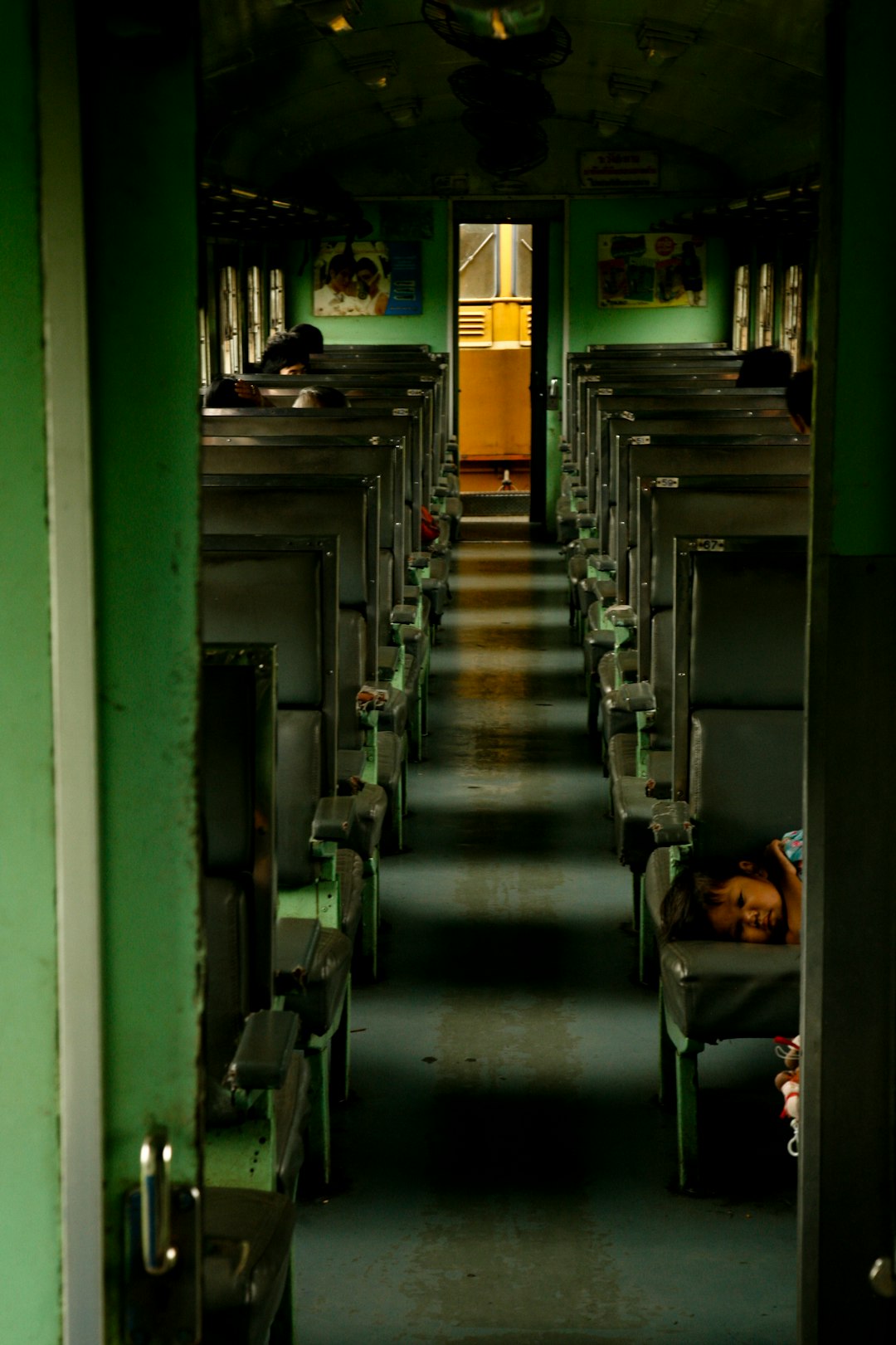
The overnight sleeper train from Bangkok to Chiang Mai is one of the great budget travel experiences in Southeast Asia - 750km of Thai countryside, a full night’s sleep, and you wake up in the north. It is slower than flying and more comfortable than the overnight bus. For most travellers it hits the right balance between cost, comfort, and the fact that you travel while you sleep and don’t lose a day.
This guide covers everything: which train to take, how to compare classes, what the berths actually feel like, how to book without using a third-party reseller, what to bring, and how the train stacks up against flying and the bus.
The Route
Bangkok’s new main long-distance station is Krung Thep Aphiwat Central Terminal (commonly written Bang Sue Grand Station), which opened in 2021 and replaced the old Hua Lamphong for most intercity services. It is served by the MRT Blue Line (Bang Sue station, a few minutes’ walk). A handful of services still depart from Hua Lamphong - check your ticket, but for Train 9 and Train 13, it is Krung Thep Aphiwat.
The journey covers 751km north through the Central Plains and up into northern Thailand, arriving at Chiang Mai Station, 2.5km east of the Old City.
Which Train to Take
Three trains run the overnight route:
| Train | Departure | Arrival | Duration | Classes available |
|---|---|---|---|---|
| Train 9 (Special Express) | 18:40 | 07:15 | 12h 35m | 1st class cabin, 2nd class sleeper |
| Train 13 (Express) | 20:05 | 08:45 | 12h 40m | 2nd class sleeper |
| Train 7 (day train) | 07:30 | 17:50 | 10h 20m | 2nd class seats, 2nd class sleeper |
Train 9 is the one most travellers aim for. It runs SRT’s Chinese-built CNR rolling stock - the newest cars on the network, with consistent air conditioning, cleaner toilets, and seats that convert to better-quality berths. The 18:40 departure is civilised: you have the evening to eat before boarding, and the 07:15 arrival in Chiang Mai aligns well with hotel check-in after a slow breakfast near the station.
Train 13 is the alternative. It runs older SRT rolling stock, departs later, and has only second class sleepers. It is a perfectly acceptable option if Train 9 is sold out, and the later departure suits travellers who want a full evening in Bangkok first.
Train 7 (the day train) is rarely recommended for tourist itineraries - you trade a night’s accommodation cost for a full day of sitting on a train. It is useful for those who want to watch the countryside pass, or who have a late morning free and an evening arrival to fill.
Classes and Prices
All prices are approximate as of 2026 and reflect State Railway of Thailand (SRT) published fares. Book at the source for current figures.
Second Class Sleeper - Upper Berth
Price: approximately ฿938 on Train 9 (฿700–850 on older rolling stock like Train 13)
The upper berth is the cheapest overnight option with a proper bed. During the day you sit on what will become the lower berth; when the attendant converts the car for sleep (usually around 9–10pm), the upper berth folds down from the overhead section. Bedding is provided: a sheet, thin blanket, and small pillow.
Upper berths have a few advantages that are often overlooked: they are closer to the air conditioning vent, making them noticeably cooler on a hot night. They also feel more private - you are at ceiling height away from the main walkway, and once the curtain is drawn, you are fairly well insulated from corridor noise. The ladder is a mild inconvenience, but it takes about five seconds to climb.
The trade-off: the upper berth is narrower than the lower, you have slightly less headroom, and during the day you sit on the lower berth as a regular seat (the upper is folded). If you are travelling with a companion and want to sit together during the evening hours, book one upper and one lower in the same row.
Second Class Sleeper - Lower Berth
Price: approximately ฿1,038 on Train 9 (฿850–1,000 on older rolling stock)
The lower berth is the standard recommendation for solo travellers and most pairs. It is wider than the upper, sits directly next to the window, and during daytime hours serves as a comfortable forward-facing seat. You can look out at the countryside through the evening before the car is converted.
Lower berths are marginally warmer than upper because the air conditioning sits higher, but the temperature difference is small. They are more convenient if you need to get up during the night without disturbing anyone. They also have a small cargo area underneath where you can stow a day bag or shoes.
Book lower berths as early as possible - they sell out significantly faster than upper berths. On Train 9 in peak season (November–February, Songkran, Christmas), lower berths can go within hours of tickets opening.
First Class Sleeper - Shared Cabin
Price: approximately ฿1,446 (upper berth) or ฿1,646 (lower berth)
First class on Train 9 puts you in a proper cabin: a private compartment shared with one other passenger, with a lockable door, two berths, air conditioning controls, a fold-down table, a reading light, and a wider berth than second class. The bedding is better quality. A dining car is available for breakfast.
If you are travelling as a couple or with a companion, first class cabin is the obvious choice - you effectively have a private room for the night at a reasonable premium over second class. Book both berths in the same cabin and you have the compartment to yourselves for around ฿3,092 total.
Solo travellers: the cabin is shared with a stranger in the other berth. The door locks from inside. Most travellers report this as unremarkable - people tend to sleep. If you want complete privacy, see below.
First Class Sleeper - Solo Cabin Booking
Price: approximately ฿2,446
You can book the entire first class cabin for yourself by purchasing both berths. At ฿2,446 for the compartment, you get locked-door privacy for the full journey - reasonable value if you value complete solitude, are travelling with valuables, or simply prefer not to share with an unknown cabin-mate. This option sells out first on popular dates.
How to Book
Book directly through the State Railway of Thailand. The official booking portal is the D-Ticket system at dticket.railway.co.th. An English-language interface is available. You will need a passport number to complete the booking and a credit or debit card for payment.
Key booking logistics:
- Tickets open 90 days before departure, at 08:30 Bangkok time
- Lower berths and first class cabins sell out within hours on Train 9 during peak dates
- Set a reminder and book the moment the window opens for travel November through February, Songkran (mid-April), and Thai public holidays
- You can also book in person at Krung Thep Aphiwat or Hua Lamphong station booking counters - but for flexibility and avoiding queues, the online portal is strongly preferred
Seat61’s Thailand guide is a respected independent reference for the booking process, timetable updates, and on-train experience. If you encounter any confusion with the SRT portal, Seat61’s step-by-step walkthrough is reliable.
Do not use 12Go Asia - they are not an authorised affiliate partner for this site and we do not direct bookings through them.
Departure and Arrival Logistics
Arriving at Krung Thep Aphiwat (Bang Sue):
- MRT Blue Line to Bang Sue station. The station entrance is a 5–10 minute walk through the terminal building.
- Grab or taxi from central Bangkok: approximately ฿150–220 depending on traffic.
- Allow 45–60 minutes from the Sukhumvit area in evening traffic. The station is large - give yourself time to find your platform.
- Dining options inside the terminal are limited. Eat before you arrive or bring food - the dining car is available on Train 9 but the selection is basic.
Arriving in Chiang Mai:
- Chiang Mai Station is 2.5km east of the Old City (Tha Phae Gate area).
- Red songthaew (shared truck taxi) to the old city moat: approximately ฿30–40 per person.
- Grab from the station to most hotels: approximately ฿80–120.
- Luggage storage is available at the station if you arrive before hotel check-in.
Choosing Your Berth: Tips
Go lower berth if: you are a light sleeper (less rocking at lower height), want easy window access, or have luggage that needs to go under the berth.
Go upper berth if: you run hot, want maximum privacy, are travelling solo and prefer isolation, or are booking last-minute and only upper berths remain.
Book early for lower berths on Train 9 - this cannot be overstated. Tickets open 90 days ahead at 08:30. For any date from November through February, or around Songkran, set an alarm.
Berth position in the carriage: The middle of the carriage tends to have the most stable ride (less movement than the ends). If the booking system shows berth numbers, berths 5–20 in a standard car are the sweet spot. Berths at either end of the car are closer to the toilets - not a problem for light sleepers, but worth noting.
Windowside berths on the correct side: From Bangkok northbound on a night train, it doesn’t much matter which side you’re on - you’ll be sleeping through most of the journey. If you take Train 7 (day train), the western side gets afternoon sun; eastern side is marginally better for afternoon light.
What to Pack for the Overnight Journey
The train is air conditioned, often aggressively so. The following makes a meaningful difference to comfort:
- Warm layer: A light fleece or long-sleeve top. The air con can drop the carriage to 18–20°C. Second class in particular can feel cold by 2am.
- Eye mask: The corridor lights stay on dimly all night. Not blinding, but an eye mask helps.
- Earplugs or headphones: The train noise is a rhythmic background hum, not loud, but earplugs are useful for the occasionally vocal fellow passenger.
- Flip flops: The carriage floor is clean enough but you will want footwear for the corridor and toilet. Shoes go under your berth.
- Small padlock: For your day bag strap looped to the overhead rail - standard travel practice.
- Snacks and water: The dining car sells food and drinks but closes late at night. A bottle of water and something light to eat covers you overnight. The dining car reopens for breakfast before arrival.
- Toilet paper: Carry a small pack. The toilets on Train 9 are functional; older rolling stock is more variable.
- Phone charger: Sockets are available in first class cabins. Second class has limited charging options - a power bank is more reliable.
How It Compares
| Option | Approx cost | Door-to-door time | Best for |
|---|---|---|---|
| Sleeper train - 2nd class lower | ฿1,038 | 13–15 hrs (travel + sleep) | Value, experience, saving a hotel night |
| Sleeper train - 1st class cabin | ฿1,646 | 13–15 hrs | Comfort, couples, light sleepers |
| Overnight VIP bus | ฿450–700 | 10–13 hrs | Lowest budget, less comfort |
| Domestic flight | ฿900–1,800 | 4–5 hrs door-to-door | Speed, tight schedule |
vs. flying: A flight takes 1 hour 15 minutes in the air but 4–5 hours door-to-door once you account for getting to Don Mueang or Suvarnabhumi (45–60 minutes from central Bangkok), check-in, security, and the Grab from Chiang Mai Airport to your hotel. At ฿900–1,500 for a typical advance fare on AirAsia or Nok Air, flying is only materially faster if you are time-critical. You also save a night’s accommodation on the sleeper - a ฿600 hostel dorm or a ฿1,200 guesthouse room becomes the real comparison figure.
vs. overnight bus: The bus is cheaper (฿450–700 for VIP) but meaningfully less comfortable. The bus is also subject to Bangkok’s exit traffic in a way the train is not. On a good night with light roads the bus can match the train’s arrival time; on a bad night (Songkran, long weekends) it can add 2–3 hours. The train runs on its own schedule regardless of road conditions. Unless budget is the deciding factor, the sleeper train wins the comparison.
Common Questions
Is there wifi? No wifi on the train. Download anything you need before boarding. Mobile data works intermittently along the route - good through Bangkok and Chiang Mai, patchy through rural stretches in the middle.
Can I eat on the train? Yes. The dining car serves rice dishes, noodles, snacks, and drinks. Food quality is basic but adequate. The car closes around midnight and reopens around 6am. Bring your own food if you want to eat after midnight.
What if the train is late? Delays of 30–90 minutes are common. Train 9 tends to arrive closer to schedule than Train 13, but neither is guaranteed. If you have an onward connection from Chiang Mai (bus, flight, day trip), do not book it for early the same morning.
Solo female travel: The sleeper train is widely considered safe for solo female travellers. Second class berths are in an open shared car (not compartments), with other passengers visible. First class cabins have a lockable door. The SRT has train attendants in each car. Many solo female travellers use this route routinely - see our solo female travel guide for Thailand for broader context.
What about luggage? No formal weight limit on the train. Large bags go on the overhead rack. The berth area has space for a day bag. Backpacks and mid-size suitcases fit without issue; very large suitcases can be awkward in the upper berth ladder area.
Booking Checklist
- Go to dticket.railway.co.th (official SRT portal)
- Select Bangkok (Krung Thep Aphiwat) → Chiang Mai, choose your travel date
- Choose Train 9 for the best rolling stock; Train 13 as the alternative
- Select class: 2nd class lower berth for value, 1st class cabin for comfort
- Enter passport number and complete payment
- Save your e-ticket - have it on your phone and a screenshot as backup
For the full Bangkok to Chiang Mai comparison including bus and flight options, see Bangkok to Chiang Mai: all transport options.
Get more from your trip north:
- Chiang Mai travel guide
- One week in northern Thailand
- eSIM for Thailand - stay connected from landing
Plan Your Trip
Once you arrive in Chiang Mai, our Chiang Mai city guide covers the best neighbourhoods, elephant sanctuaries, and cooking classes. If you are extending into the mountains, the renting a car in northern Thailand guide explains how to pick up a car in Chiang Mai for the loop to Chiang Rai and Pai. See the full Bangkok to Chiang Mai transport comparison if you are still weighing flight vs train vs bus.
Book Your Trip
- Flights - Find the best fares to Thailand
- Travel Insurance - Get covered before you go
- eSIM - Stay connected from landing
- Car Rental - Compare prices across providers
See also: Bangkok city guide · Chiang Mai city guide · Bangkok to Chiang Mai guide · Getting around Thailand