Phuket Travel Guide: Beaches, Islands, and Andaman Coast
39 beaches, Phi Phi day trips, James Bond Island tours, and every price point from budget hostel to six-star resort. Phuket covers it all.
Guides for Phuket
Phuket at a glance
Phuket is Thailand’s largest island, connected to the mainland by a bridge. With a population of around 400,000 and over 10 million annual visitors, it’s the country’s most visited island destination. The level of tourism development is real and significant - but so are the underlying attractions: the Andaman Sea coastline, the Phang Nga Bay limestone islands, good diving, and the atmospheric Sino-Portuguese heritage of Phuket Town.
Understanding which area you’re staying in changes the experience dramatically. Patong is the commercial and nightlife centre - busy, noisy, and functional. Kata and Karon are more family-oriented beach towns. Surin and Bang Tao are the upscale northwestern coast. Phuket Town (the actual provincial capital) is the most culturally interesting part of the island and largely overlooked by visitors.
Beaches
Patong Beach - 3km of beach with the island’s main nightlife, restaurants, and watersport operators. The beach is overcrowded during peak season. It’s the right choice if you want the full resort infrastructure; the wrong choice if you want a beach experience.
Kata Beach - South of Karon. A well-shaped bay with consistent waves (surfable in low season), good swimming in the calmer northern section, and enough cafes and restaurants without the Patong intensity. The Kata Noi section (small cove to the south) is quieter and one of the best spots on the island.
Surin Beach - The most upscale on the island. Lined with established beach clubs (Café del Mar, Baba Beach Club). Cleaner than Patong, better crowd. Parking and access is managed.
Nai Harn - Far south, relatively undeveloped. The beach itself is beautiful, the water is excellent for swimming in season, and the surrounding area feels more authentic than the resort zones. Worth the drive.
Freedom Beach - Accessible only by longtail from Patong. A small cove with no facilities beyond a basic food stall. Very clear water. Busy in peak season but much less than any road-accessible beach.
Phuket Town
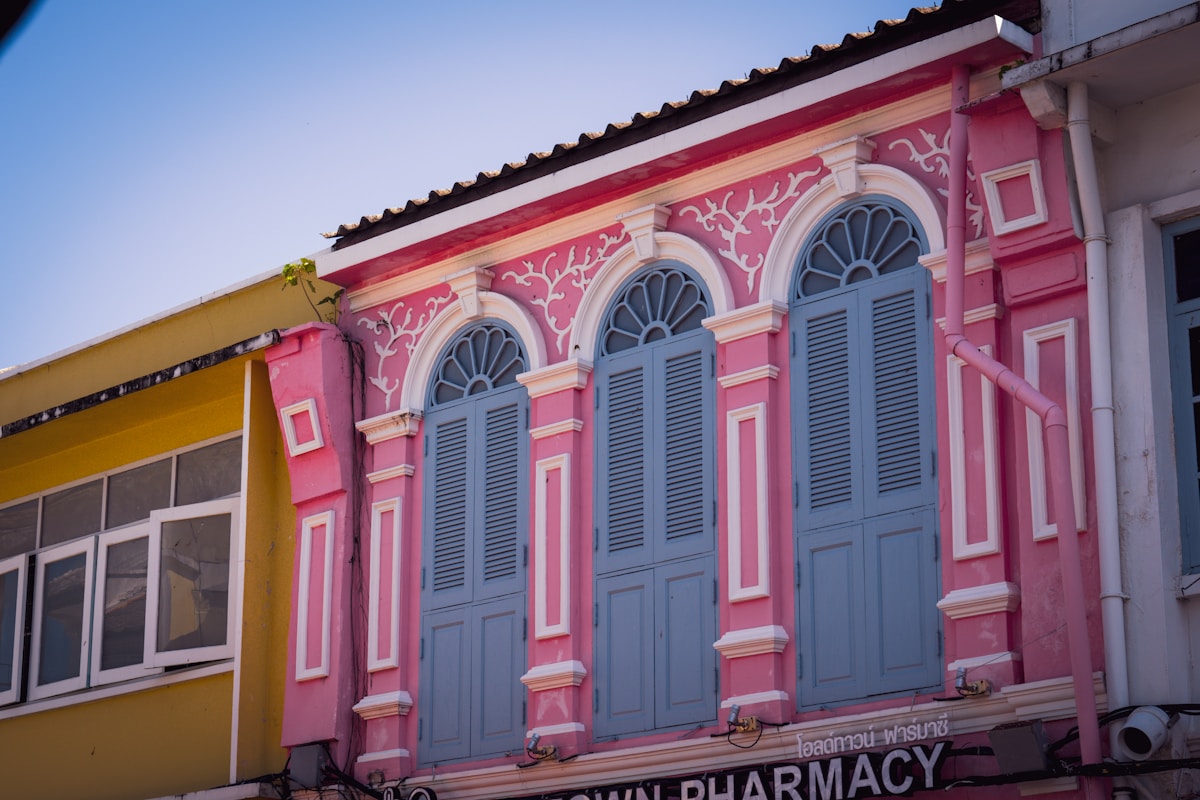
The Sino-Portuguese shophouse architecture of the old town is distinctive - colourful facades, decorative shutters, covered walkways. Thalang Road and Soi Romanee are the most photogenic streets. The Sunday Walking Street market runs the length of Thalang Road.
Phuket Town also has better restaurants than the beach resort areas for non-tourist Thai food. The local market (Talat Tai Rot) has morning street food and fresh produce.
Island day trips
Phang Nga Bay - The limestone karsts rising from the sea north of Phuket, including James Bond Island (Ko Tapu). A sea kayaking tour through the caves and lagoons is significantly better than the standard longtail tour. Day trips depart from Phuket Town pier. Book a Phang Nga Bay tour or browse Phuket activities including Phi Phi day trips and Similan Islands diving.
Koh Phi Phi - A 45-minute speedboat from Rassada Pier. The island has beautiful water but is heavily visited. Worth a day trip for the snorkelling and scenery, though Koh Phi Phi itself warrants more time if you want to stay.
Similan Islands - A marine national park north of Phuket, accessible by liveaboard or day trip. Some of the best diving in Thailand, with underwater visibility regularly exceeding 20 metres.
Phuket has one of the highest concentrations of tour operators in Thailand - same-day and next-day availability on island trips and Phang Nga Bay excursions is often better than expected. Browse our last-minute tours page for current options.
Practical information
Getting there - Phuket International Airport has direct flights from Bangkok (1h20m, multiple daily), Kuala Lumpur, Singapore, Hong Kong, and several European cities.
Best time - November to April (dry season, Andaman calm). May–October is monsoon season - possible but with limitations on water activities.
Costs - Higher than most of Thailand. Street food: ฿80–150. Beach club lunch: ฿300–600. Budget guesthouse: ฿600–1,000/night. Mid-range hotel: ฿2,000–5,000/night. International five-star resort: ฿10,000–30,000/night.
See also: Phuket beaches guide · Phuket nightlife guide · Phuket best hotels · Things to do in Phuket · Koh Samui vs Phuket · Phuket vs Krabi · Pattaya vs Phuket · Best tours in Thailand
Upcoming Events in Phuket
Phuket Vegetarian Festival
phuket
Phuket Vegetarian Festival 2026: 10–18 October. Firewalking, street processions, and Taoist ceremonies in Phuket Town. Dates, tips, and what to expect.
- Wonderfruit Festival
Wonderfruit 2026: 17-21 December near Pattaya. Arts, music, and sustainability festival with international artists, food markets, and wellness activities.
Book an experience
Top experiences in Phuket
Explore the best tours and activities in Phuket , with instant confirmation and free cancellation on most bookings.