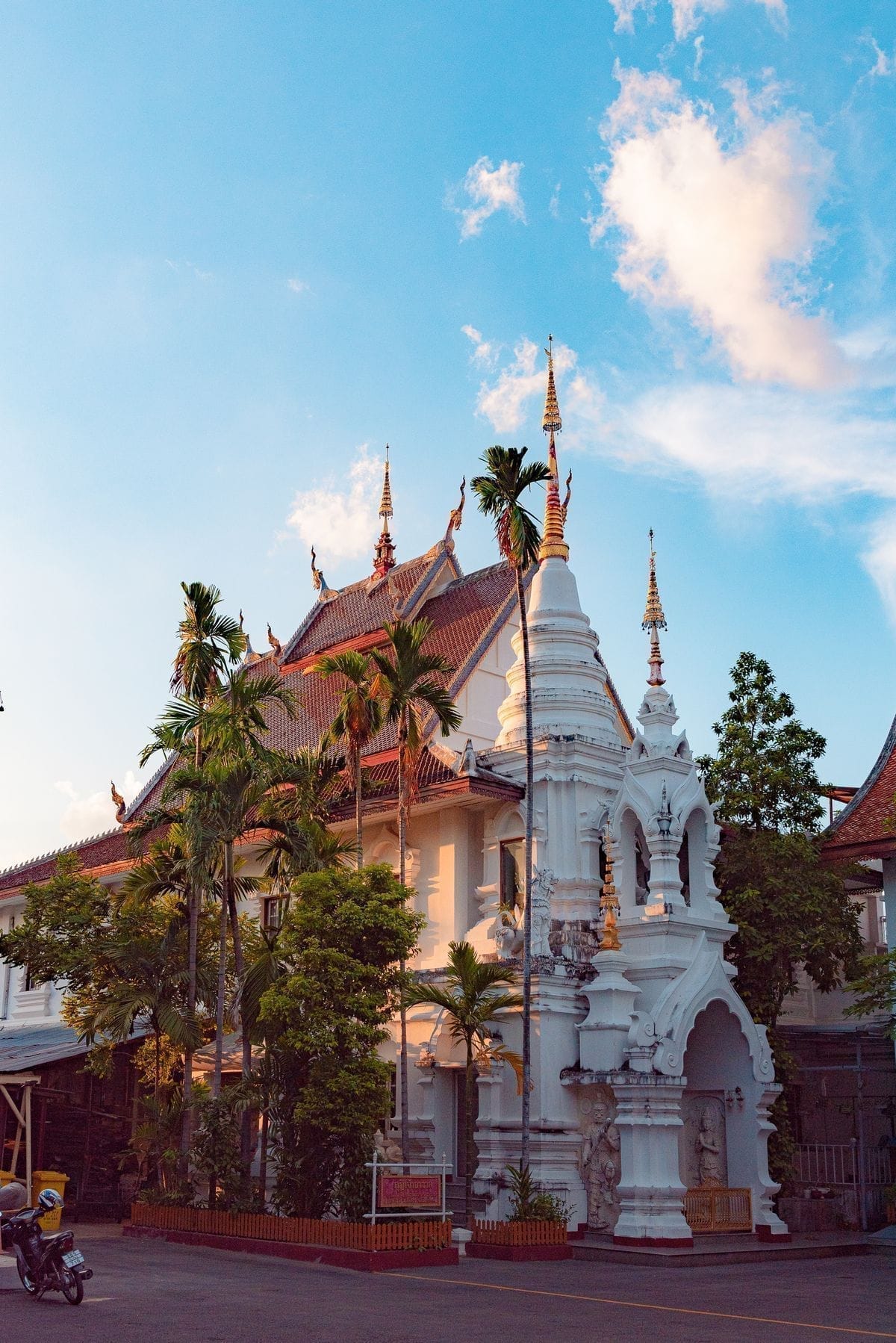
Northern Thailand Travel Guide
Chiang Mai temples, Chiang Rai hill tribe villages, Mae Hong Son mountain mists. Northern Thailand rewards slow travel with culture and wilderness.
Northern Thailand is a different country from the beaches of the south. Here, the landscape folds into forested limestone mountains, mist sits in the valleys every morning from November through February, and the cultural identity is distinctly Lanna — the old kingdom that ruled the region for five centuries before Bangkok absorbed it. Chiang Mai, Chiang Rai, Mae Hong Son, Nan, Pai, and Lampang each carry that character in different ways: in the style of their temples, the shape of their festivals, the spice levels in their food.
This is where Thailand makes sense as a slow trip. A week here barely scratches the surface.
What Makes Northern Thailand Distinct
The Lanna Kingdom (1296–1892) shaped everything you see in the north: the whitewashed chedis with tiered roofs, the intricate woodcarving on temple porches, the distinctive cuisine built around sticky rice and fermented ingredients. Chiang Mai was the capital and still carries that heritage most visibly, with 300 temples inside and around the old moat.
Beyond the cities, the mountains along the Myanmar border define the region. Doi Inthanon (2,565m) is Thailand’s highest peak; Doi Phu Kha in Nan province remains largely wild. Hill tribe communities — Karen, Akha, Lahu, Hmong — have lived in these highlands for generations, and cultural trekking here should be handled through operators that work directly with communities and distribute income locally.
The food shifts noticeably. Khao soi — egg noodles in a coconut-curry broth topped with crispy fried noodles — is the north’s signature dish. Sai ua (northern pork sausage with lemongrass and galangal), nam prik noom (roasted green chilli dip), and larb moo khua (dry-fried pork with toasted spices) are northern staples you won’t find prepared the same way in Bangkok.
Getting There from Bangkok
Chiang Mai: Flights from Suvarnabhumi or Don Mueang take approximately 1 hour 15 minutes. Budget carriers (Air Asia, Lion Air, Nok Air) run multiple daily departures from approximately ฿700–2,500 one way depending on booking lead time. The overnight sleeper train from Hua Lamphong station takes approximately 12–14 hours and costs approximately ฿600–1,600 for a second-class sleeper — one of the better train journeys in Asia, arriving in the morning.
Chiang Rai: Fly direct from Bangkok (approximately 1 hour 20 minutes) or travel via Chiang Mai by bus (approximately 3–4 hours, ฿150–250).
Mae Hong Son: Fly from Chiang Mai (35 minutes) or drive the Mae Hong Son loop — approximately 600km with two route options, best done over 3–4 days by motorbike or car.
Best Time to Visit
November to February is the high season and the most comfortable: daytime temperatures in Chiang Mai average 25–28°C, nights drop to 15–18°C, and the skies are clear. Doi Inthanon can reach 5°C at night in December and January — pack layers.
March and April bring the smoke season. Agricultural burning across the region produces significant air quality issues (AQI regularly exceeds 200 in Chiang Mai during this period). It is also the hottest and driest stretch, with temperatures reaching 38–40°C. The Songkran water festival (13–15 April) is an exception worth timing for if you can tolerate the heat.
May to October is the wet season. Rain falls most afternoons, waterfalls run full, the landscape turns vivid green, and accommodation prices drop significantly. Trekking is muddier but still feasible on most routes.
Must-See Highlights
Doi Suthep-Pui National Park, Chiang Mai — The temple of Wat Phra That Doi Suthep sits at 1,073m above Chiang Mai and is the spiritual heart of the north. Founded in 1383, it contains a venerated relic of the Buddha. The road up (approximately 14km from the city) passes through forest that gives way to views across the valley on clear days. Entry approximately ฿30 for foreigners. Take a songthaew from the Tha Phae Gate area (approximately ฿80 round trip). Our Doi Suthep temple guide covers the visit in detail.
Chiang Rai’s temple circuit — Chiang Rai’s three architectural centrepieces are unlike anything in Thailand. Wat Rong Khun (the White Temple) is a contemporary building covered in mirror glass and Buddha imagery by artist Chalermchai Kositpipat, still under construction and admission free. Baan Dam (the Black House) is the life’s work of artist Thawan Duchanee — 40 structures in black lacquered teak filled with animal bones and dark art. Wat Rong Suea Ten (the Blue Temple) dates to 1522 but was rebuilt with electric blue interior murals in 2016. The Chiang Rai White Temple tour guide covers all three. Browse guided Chiang Rai temple tours that cover all three sites in a single day. See also the Chiang Rai where to stay guide for accommodation.
Chiang Mai trekking and elephant sanctuaries — The hills northwest and southwest of Chiang Mai offer 1–5 day trekking routes through Karen and Akha villages. Reputable operators include ethical elephant sanctuaries where elephants are no longer used for rides; instead visitors bathe and walk alongside them. The Chiang Mai trekking guide covers day and overnight options. Book trekking and elephant sanctuary tours in Chiang Mai through a vetted operator.
Mae Hong Son and the border valleys — Thailand’s most isolated provincial capital sits in a valley ringed by mountains 368km from Chiang Mai (or 2 hours by air). Wat Phra That Doi Kong Mu overlooks the town from a hilltop; morning mist sits in the valley until 9am most winter days. The nearby Pang Mapha district has an extraordinary burial cave system at Ban Rak Thai. The full Mae Hong Son loop — branching north or south from Chiang Mai through Pai, Mae Sariang, and Mae Hong Son — takes 3–4 days and is one of Thailand’s best road trips.
Where to Stay by Budget
Chiang Mai has the widest selection in the north. Budget travellers cluster around the old city moat area, where guesthouses run approximately ฿300–700 per night. The Nimman area (Nimmanhaemin Road) is the creative/expat neighbourhood with good coffee shops and co-working spaces, with mid-range hotels approximately ฿1,500–3,500. Boutique heritage properties in the old city or Riverside area typically run ฿4,000–9,000. The full Chiang Mai where to stay guide covers all zones in detail.
Chiang Rai is significantly cheaper than Chiang Mai — budget guesthouses from approximately ฿400–800, good mid-range from approximately ฿1,200–2,500. The Chiang Rai where to stay guide has specific recommendations.
Getting Around the Region
The Mae Hong Son loop (600km) is best done by rented motorbike (approximately ฿250–350/day) or rented car (approximately ฿1,200–1,800/day with driver also available). Public songthaews connect Chiang Mai to surrounding towns but frequency drops in the afternoon. The Chiang Mai–Chiang Rai route is well-served by public buses (3–4 hours, approximately ฿150).
Related guides: One week in Northern Thailand itinerary · Chiang Mai city hub · Chiang Rai city hub · Mae Hong Son where to stay · Lampang where to stay
Book an experience
Top experiences in Northern Thailand Travel Guide
Find the best tours and activities across Northern Thailand Travel Guide, with instant confirmation and free cancellation on most bookings.