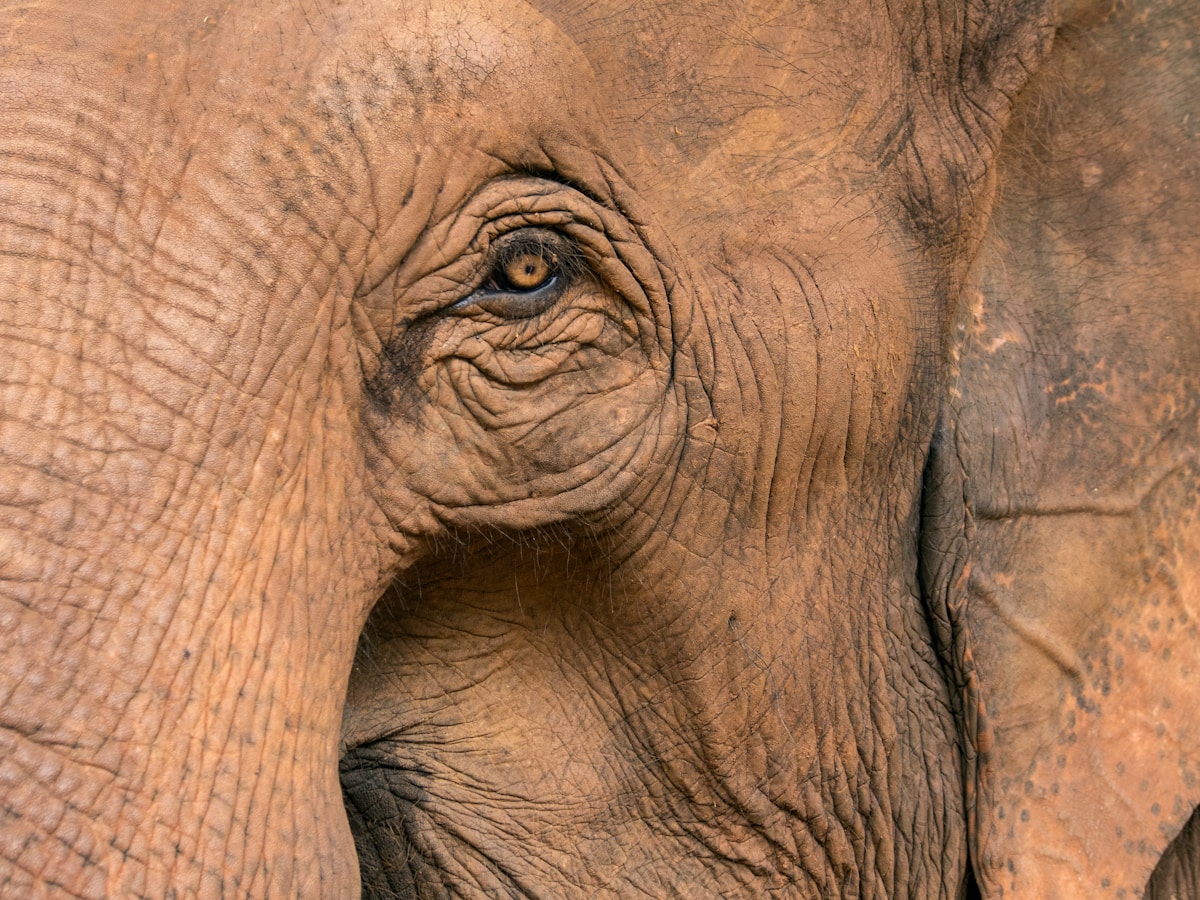
Seeing elephants is on almost every Thailand itinerary - and the industry around them ranges from genuinely transformative rescue projects to riding camps that have simply repainted their signs with the word “sanctuary”. The difference matters, and it is visible if you know what to look for. Here is how to choose well, what it costs, and the parks we recommend.
Top Ethical Sanctuary Tours at a Glance
Here’s a quick comparison of the top-rated ethical elephant sanctuary options on GetYourGuide:
| Tour | Duration | Price (from) | Group Size | Highlights |
|---|---|---|---|---|
| Ethical Elephant Sanctuary & Waterfall Half Day | 7 hrs | from $54 | Group | No riding, waterfall stop, hotel transfer |
| Elephant Sanctuary Feeding Program Half Day | 5 hrs | from $25 | Small group | Feeding, observation, river time |
| Elephant Sanctuary, Waterfall & Bamboo Rafting | 9 hrs | from $57 | Group | Full day, rafting add-on, 11,000+ reviews |
| Ethical Full-Day Elephant Sanctuary & Nature Park | Full day | from ฿2,800 | Small group | Elephant Nature Park, ENP-certified |
All tours listed above are no-riding, no-hooks operations. Prices are per person; hotel pickup from Chiang Mai included on most options.
Browse all elephant sanctuary tours → GetYourGuide
What makes a sanctuary genuinely ethical
The test is simple: the elephants’ day should not be organised around tourists. Look for:
- No riding, no shows, no tricks, no painting. Non-negotiable.
- Limited or no bathing with visitors. The best parks have phased this out; observation-only is the gold standard.
- Small group sizes and limited daily visitors. Crowds of 60 people feeding the same elephant is a theme park, not a sanctuary.
- Space. Elephants should roam, forage, and socialise - not stand chained at a feeding platform between tourist arrivals.
- Transparency about where their elephants came from. Reputable parks rescue from logging, street begging, and riding camps, and will tell you each animal’s history.
A red flag worth knowing: the word “sanctuary” is not regulated in Thailand. Anyone can use it.
Chiang Mai: the heart of ethical elephant tourism
Northern Thailand has the largest concentration of rescue projects, and most run hotel pickups from Chiang Mai’s Old City.
- Elephant Nature Park - the original and still the benchmark, founded by Lek Chailert in the 1990s, now home to over 100 rescued elephants in the Mae Taeng valley about 60 km north of the city. A standard full day costs approximately ฿2,500 including transfer and an excellent vegetarian buffet lunch, as of 2026. Book directly at elephantnaturepark.org - full days sell out weeks ahead in high season.
- ChangChill - a smaller, World Animal Protection–endorsed venue south-west of Chiang Mai that switched to a fully hands-off model: you observe a small herd foraging and bathing from platforms and trails. Full days run approximately ฿2,900.
- Kindred Spirit Elephant Sanctuary - a walking-with-elephants project in the hills near Mae Chaem, where semi-wild elephants forage in the forest. Day visits from approximately ฿3,000; multi-day homestays available.
A full day typically runs 8am–5pm: pickup, a welfare briefing, walking with or observing the herd, preparing food, lunch, and river time. Wear shoes you can muddy.
Beyond Chiang Mai
- Phuket: Phuket Elephant Sanctuary, beside Khao Phra Thaeo national park, pioneered the hands-off model in southern Thailand - canopy walkways over retired elephants. Approximately ฿3,000 for a half day as of 2026.
- Koh Samui: Samui Elephant Sanctuary, affiliated with the Saddle Off movement, runs morning and afternoon sessions at approximately ฿3,000.
- Kanchanaburi: Elephants World, a “we work for them” project on the River Kwai, offers day visits from approximately ฿2,500 - pair it with the Erawan Falls area.
- Sukhothai: Boon Lott’s Elephant Sanctuary (BLES) is arguably Thailand’s most rigorous project - tiny visitor numbers, multi-day stays only, booked months out.
Booking advice
Book direct where possible - the genuine parks all have their own sites, and direct bookings put more money into elephant care. You can also browse ethical elephant sanctuary tours near Chiang Mai and filter hard for “no riding, no bathing” in the description and read recent reviews for group sizes. Avoid anything bundled with a tiger attraction or a “long-neck village” stop; both signal a mass-tourism operator. For how a sanctuary day fits into a northern itinerary, see our one-week northern Thailand route and Chiang Mai guide.
The honest version of this experience costs a little more and involves less touching than the photos you may have seen from a decade ago. It is also far better - watching a rescued herd dust-bathe and squabble like a family is more memorable than any staged photo op.
Cancellations do free up spots at even the most sought-after parks - our last-minute tours page is worth checking if you’re in Chiang Mai and keen to go tomorrow.
See also: Chiang Mai travel guide · Elephant sanctuary in Chiang Mai · One week in northern Thailand · Things to do in Chiang Mai