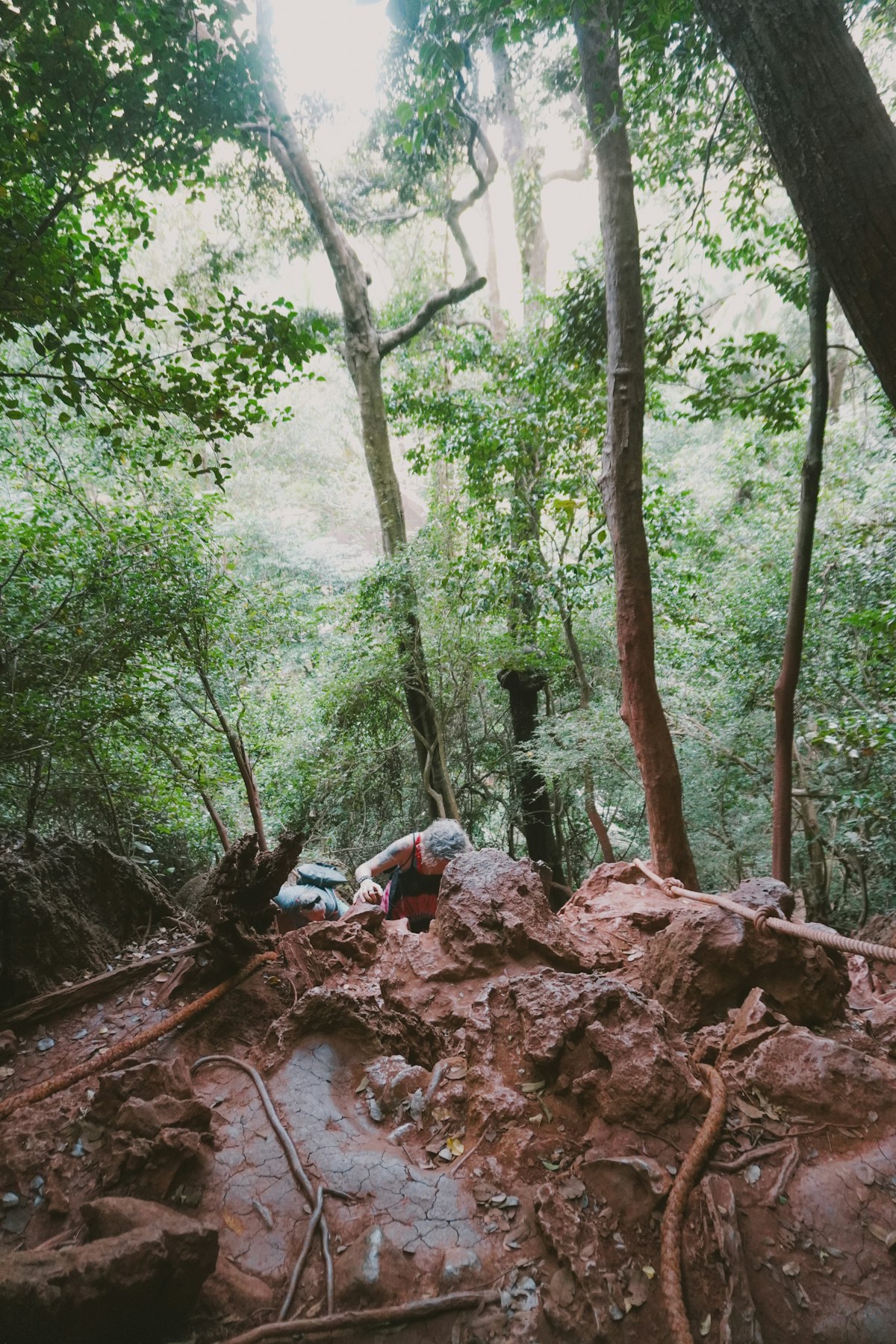
Chiang Mai sits at the edge of some of Thailand’s most accessible mountain terrain. Within two hours of the old city, trails wind through montane forest, past Karen and Hmong villages, and up to the kingdom’s highest summit at Doi Inthanon (2,565 m). The northern highlands offer a genuinely different experience from the south - cooler air, dense jungle, and a pace that rewards those who slow down.
This guide covers the main trekking options, named operators, realistic prices in THB and USD, and what each route actually involves.
Top Tours at a Glance
Here’s a quick comparison of top-rated tours on GetYourGuide:
| Tour | Duration | Price (from) | Group Size | Highlights |
|---|---|---|---|---|
| Full-Day Hill Tribe Trek with Elephant Sanctuary | 8 hrs | from $28/person | Group (max 12) | Karen village, bamboo rafting, elephant observation |
| 2-Day Hill Tribe & Waterfall Trek | 2 days | from $65/person | Group (max 10) | Overnight homestay, forest trails, village stay |
| Doi Inthanon & Hill Tribe Village Day Trek | 9 hrs | from $35/person | Group (max 14) | Summit forest, Hmong village, Wachirathan Falls |
| Private Custom Trek — Small Group | 8 hrs | from $42/person | Private (2–6) | Tailored route, flexible pace, licensed guide |
Browse all Chiang Mai trekking tours → GetYourGuide
Day treks vs multi-day treks
Day treks (฿800–1,500 / approximately USD 22–42 per person) are the most common entry point. You’re collected from your guesthouse by 8am, drive 45–90 minutes to a trailhead, trek 4–8 km through forest with a guide, visit one or two hill tribe villages, and return by late afternoon. Lunch is included. Elephant encounters - if offered - should be observation-only; reputable operators no longer include riding.
Multi-day treks (2–4 days, ฿3,500–7,000 / USD 97–194 per person) go deeper into the hills, with overnight stays in village homestays or tented camps. These are better for wildlife sightings (gibbons are common), cover more remote terrain, and give you genuine time in hill tribe communities rather than a brief stop. Group sizes are typically 6–10 people.
Main trek routes
Doi Inthanon National Park - Thailand’s highest peak, 80 km southwest of Chiang Mai. The summit itself is a short walk from the carpark, but the real trekking is on the Kew Mae Pan Nature Trail (3 km loop, open Nov–May, ฿300 / USD 8.30 entrance per person plus ฿40 national park fee). The trail traverses cloud forest with open views to the Shan Hills on clear days. Most day tours add the twin royal pagodas (Naphamethinidon and Naphaphonphumisiri) and the impressive Mae Ya and Wachirathan waterfalls.
Hill tribe village routes north of Chiang Mai - The area around Mae Rim, Mae Sa Valley, and Chom Thong is the traditional base for hill tribe trekking. Karen (Pga K’nyau), Hmong, and Lahu villages are accessible within 1–2 hours. Day treks here typically combine a forest trail, a waterfall swim stop, a bamboo rafting section (฿200–400 extra), and a village lunch. Moderate fitness required.
Chiang Dao (70 km north of Chiang Mai) - A less-visited option offering limestone karst scenery and caves alongside forest trails. The Chiang Dao Wildlife Sanctuary is a serious birding destination. A day trip here is quieter than the main Mae Rim circuit and suits those who want fewer tourists on the trail.
Named operators and prices
Thai Trekking - Long-established operator running out of the old city. Day treks ฿900–1,200 per person (USD 25–33) with a maximum of 10 people per guide. Two and three-day packages from ฿4,200 (USD 117). Known for genuine community links and experienced guides who speak decent English.
Eagle House - Guesthouse-based operator on Chaiyapoom Road, popular with backpackers. Day trek with rafting ฿1,000 (USD 28); 2-day with homestay ฿3,800 (USD 106). Groups tend to be slightly larger (up to 14).
Chiang Mai Trekking Company - Specialises in small-group custom routes (2–6 people). Day treks from ฿1,400 (USD 39); 3-day from ฿6,500 (USD 181). Slightly more expensive but you get a genuinely personalised itinerary. Good option if you want to avoid the standard Mae Rim circuit.
GetYourGuide-listed tours - A range of licensed day trek operators are bookable online, useful for last-minute booking and English-speaking guides. Prices typically ฿1,100–1,600 (USD 30–44) for full-day including transport and lunch.
Doi Inthanon: day tour vs independent visit
Most visitors do Doi Inthanon on an organised day tour (฿1,500–2,000 / USD 42–55 from Chiang Mai, including transport, guide, entrance fees, and lunch). Independent travel by scooter or car costs around ฿600 for a scooter rental plus ฿300 national park entrance - cheaper but you plan your own stops.
The national park entrance fee as of 2026 is ฿300 for adults (฿150 children). The summit road is open year-round, but the Kew Mae Pan Nature Trail closes during wet season (June–October) due to trail erosion.
Best season summary
| Month | Conditions | Verdict |
|---|---|---|
| Nov–Feb | Dry, 15–25°C in hills | Best season |
| Mar–May | Hot, hazy, burning season | Manageable but hazy |
| Jun–Oct | Wet, muddy, leeches | Experienced trekkers only |
November to February is when the mountains are at their most comfortable. December and January see occasional cold nights above 1,500 m - bring a layer.
Practical notes
- Most day trek operators include hotel pickup within Chiang Mai’s old city and Nimman area. Hotels further out may require a ฿100–200 taxi to the meeting point.
- Tipping guides is customary: ฿100–200 per person for a day trek, ฿300–500 for multi-day.
- Bring cash - village markets and guesthouses in the hills do not accept card.
- If you have a specific interest (birds, photography, cultural immersion), tell your operator in advance - guides can adapt.