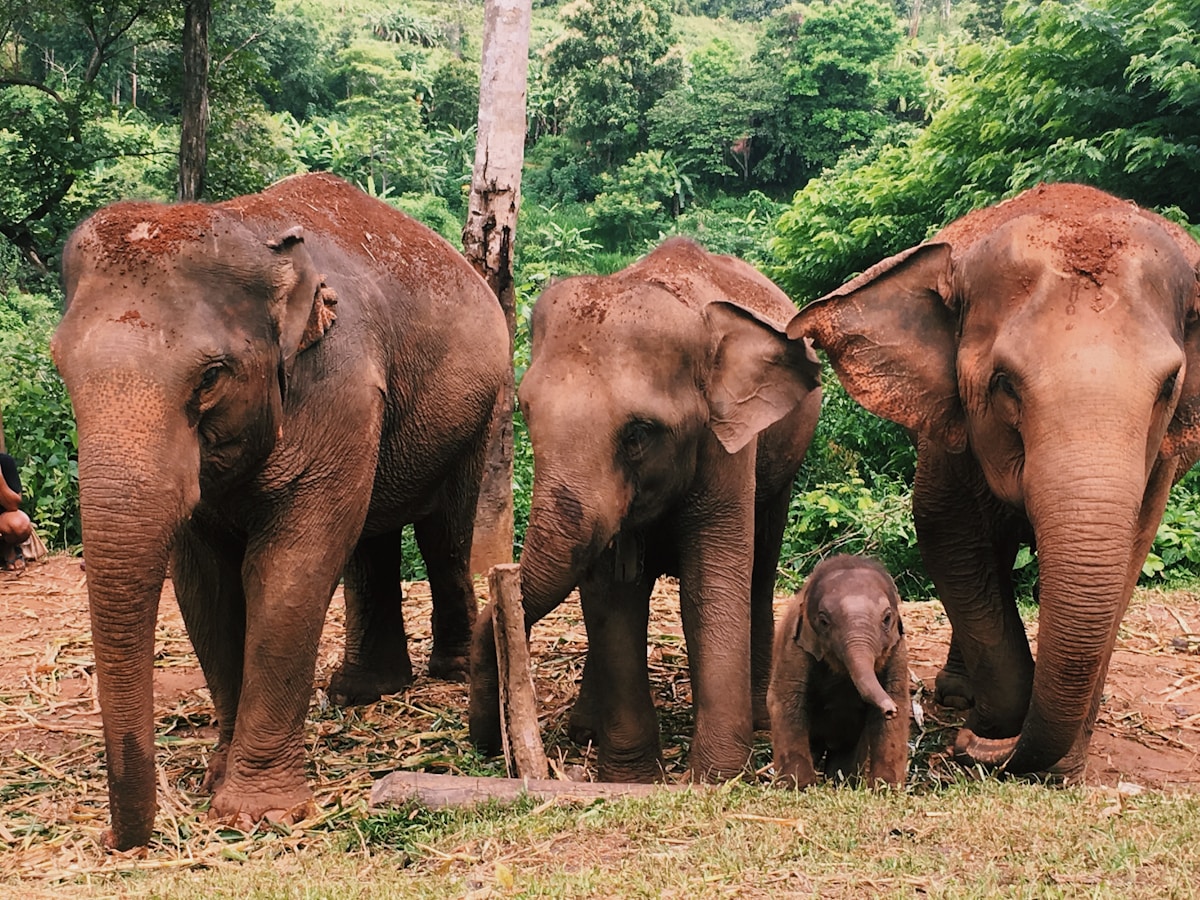
Top-Rated Sanctuary Tours at a Glance
Here’s a quick comparison of the top-rated ethical elephant sanctuary options on GetYourGuide:
| Tour | Duration | Price (from) | Group Size | Highlights |
|---|---|---|---|---|
| Ethical Elephant Sanctuary & Waterfall Half Day | 7 hrs | from $54 | Group | No riding, waterfall stop, hotel pickup |
| Elephant Sanctuary Feeding Program Half Day | 5 hrs | from $25 | Small group | Feeding and observation, no bathing |
| Elephant Sanctuary, Waterfall & Bamboo Rafting | 9 hrs | from $57 | Group | Full day, rafting included, 11,000+ reviews |
| Elephant Dream Project Sanctuary Full Day | Full day | from ฿2,500 | Small group | Small herd, in-depth welfare briefing |
Prices are per person including hotel pickup from Chiang Mai. All tours listed are no-riding operations.
Browse all Chiang Mai elephant experiences → GetYourGuide
Why this matters
Northern Thailand has around 3,000 captive elephants - the majority in venues of some kind. For decades, the dominant model was logging camps and circus-style shows. As tourism pressure has shifted toward ethical wildlife experiences, more venues have converted to sanctuary models, but standards vary widely and greenwashing is common.
Visiting an ethical sanctuary makes a genuine difference - these operations are financially viable because tourist revenue supports the care of rescued animals. Visiting an unethical camp does the opposite.
What to look for in an ethical sanctuary
No riding - The single most reliable indicator. No reputable sanctuary offers elephant riding. If a venue offers it, do not visit.
No hooks (ankus/bullhooks) - Mahouts (elephant handlers) at ethical venues should not carry metal hooks. If you see them, leave.
Space to roam - Elephants at genuine sanctuaries move freely through forest or large enclosures. Chained elephants indicate confinement.
Rescued backgrounds - Ethical sanctuaries can tell you the documented history of each animal - former logging elephants, entertainment industry rescues, or street begging elephants are common. Ask.
No performances - Painting, football, dancing - all require the same harmful training as riding. If elephants perform for visitors, the venue is not ethical regardless of other claims.
Recommended sanctuaries near Chiang Mai
Elephant Nature Park
Founded by wildlife advocate Lek Chailert in the 1990s. The most established and thoroughly documented sanctuary in Thailand. Located in the Mae Taeng valley, 60km north of Chiang Mai.
The day program (8am–5pm) involves walking with the herd in a river valley, preparing and feeding food, and observing natural elephant behaviour. No riding, no hooks, no performances. Around 100 elephants are resident. The operation is transparent - Lek Chailert speaks publicly about sanctuary standards and is a credible figure in the industry.
Day visit: ฿2,800–3,200. Booking required (often weeks in advance in peak season). Transport from Chiang Mai included.
Overnight and multi-day volunteering programs are also available.
Elephant Jungle Sanctuary
Multiple sites in the hills around Chiang Mai. The Chiang Mai No. 1 site (Chom Thong area) is the most visited. Standards are comparable to Elephant Nature Park - no riding, no hooks, free-ranging elephants. The half-day program is shorter and more affordable than ENP’s full-day visit.
Half-day: ฿1,800–2,200. Full-day: ฿2,600–3,000. Ask which specific camp site you’ll be visiting - the experience quality varies between their locations. Book Elephant Jungle Sanctuary via Klook with hotel pickup from Chiang Mai included.
Ran-Tong Save and Rescue Elephant Centre
A smaller operation 60km from Chiang Mai. Fewer elephants than ENP, which means smaller group sizes and potentially more direct time with individual animals. Transparent history - each elephant’s rescue story is documented and shared with visitors.
Half-day: ฿1,700–2,100.
What to expect on the day
Most sanctuary visits follow a similar structure:
- Morning pickup from Chiang Mai hotel (6:30–8am)
- Introduction to the sanctuary and individual elephants
- Preparing food (banana bundles, sugar cane)
- Walking with the herd in forested terrain
- Mud bath and river wash (optional - some find it uncomfortable)
- Lunch (usually included)
- Afternoon observation and return transport
Wear clothes you don’t mind getting dirty. Bring sunscreen, insect repellent, and a change of clothes if going into the river. Camera gear is fine - bags with clasps or zippers, as elephants may grab anything loose.
What to avoid
Avoid any venue that:
- Offers elephant riding (any kind - bareback is equally harmful)
- Shows elephants performing (painting, sports, tricks)
- Operates with chains or hooks visible
- Cannot tell you the individual history of its elephants
- Is primarily marketed as a “photo with elephant” experience
Browse ethical elephant sanctuary tours near Chiang Mai to compare operators and check availability.
See also: Ethical elephant sanctuaries in Thailand · Chiang Mai cooking classes · Things to do in Chiang Mai