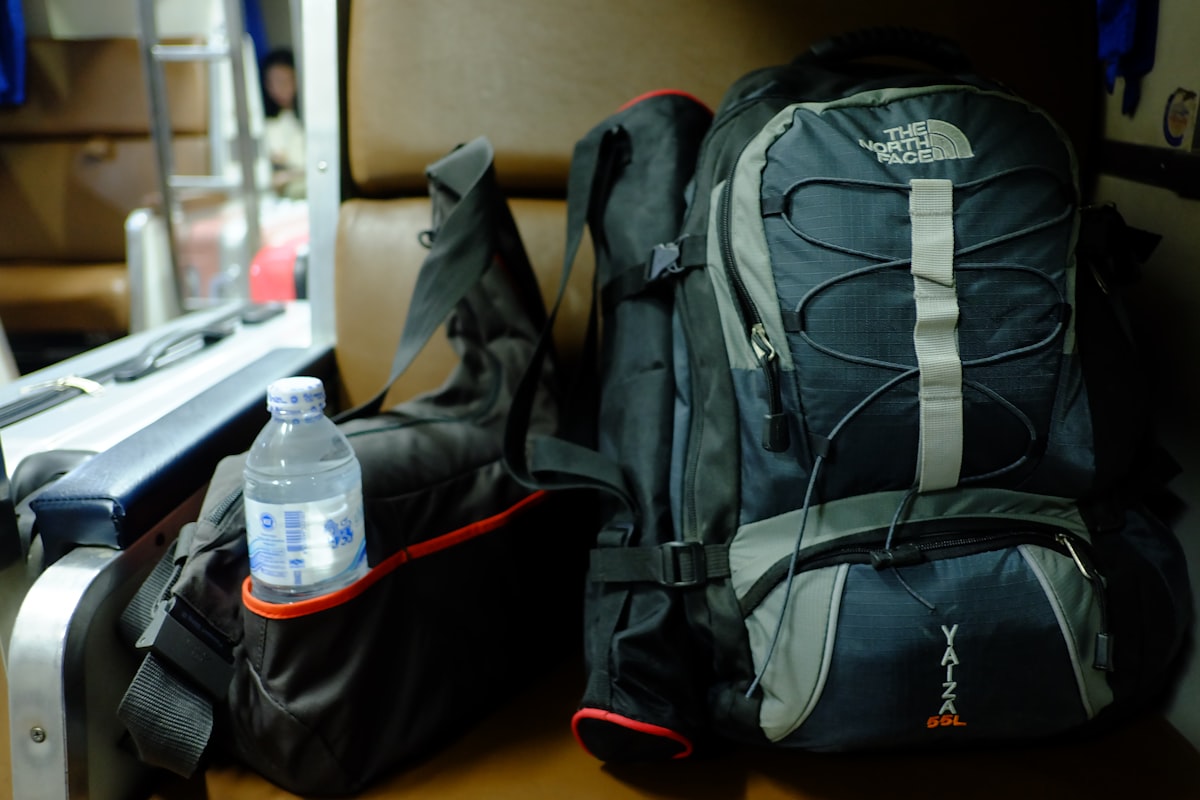
Thailand has three distinct seasons and three completely different packing needs. The cool, dry north in January and a monsoon-soaked island in August demand different wardrobes. This guide organises everything by season, then covers the essentials that apply year-round.
One principle cuts across all seasons: pack light. Laundry costs approximately THB 40–60/kg across most of Thailand (as of 2026) and turnaround is same-day. There is no reason to carry two weeks of clothing.
Year-Round Essentials
These items belong in your bag regardless of when you travel.
Clothing
Lightweight, breathable fabrics are non-negotiable - linen, cotton, or technical synthetics. Polyester activewear doubles as both daywear and sleepwear and dries fast after handwashing.
Temple clothes are the most common packing mistake. Every major temple in Thailand - Wat Pho, Doi Suthep, Wat Rong Khun - requires covered shoulders and knees. Options:
- One lightweight linen shirt or blouse with sleeves (doubles as an evening layer)
- One pair of loose trousers or a long skirt/wrap - a thin cotton sarong works and weighs almost nothing
- Many temples sell cheap cover-up scarves at the entrance if you forget, but having your own saves the hassle
Suggested clothing count (7-day base before laundry):
- 4–5 lightweight t-shirts or tops
- 2 pairs of shorts
- 1 pair of lightweight trousers (temple visits + cooler evenings)
- 1 long skirt or sarong (women) - doubles as beach wrap
- 5–6 sets of underwear and socks
- 1 swimsuit (or 2 if island-hopping - wet suits don’t dry overnight in humid conditions)
Footwear
- Slip-on sandals or flip flops - essential. You remove shoes at every temple, many guesthouses, and most traditional restaurants. Sandals with decent arch support (Teva, Birkenstock) work better than flat flip flops for full days of walking.
- Closed-toe walking shoes - for Bangkok street markets, cities with uneven pavements, and any overnight bus journey.
- Hiking shoes or trail runners - only if trekking in the north (Doi Inthanon, Chiang Dao, Khao Yai). Skip if your trip is beaches and cities only.
Avoid bringing heavy boots. They take up half your bag, dry slowly, and are overkill for anything below 2,500m in Thailand.
Electronics
- Universal travel adapter - Thailand uses Type A, B, and C sockets (220V/50Hz). A compact universal adapter costs under THB 200 at any airport.
- Power bank (10,000–20,000mAh) - invaluable on long bus journeys to Chiang Rai, Pai, or southern islands. Some overnight buses have sockets, many don’t. A 10,000mAh bank charges a phone twice.
- Dry bag or waterproof phone case - if you plan any snorkelling, kayaking, or travel during monsoon season.
- Camera or action cam - optional but the light in northern Thailand and Andaman coast is exceptional. Check getting around Thailand for boat trip tips where camera protection matters.
Documents and Money
Visa exemption as of 2026: Most nationalities (UK, US, EU, Australia) receive a 60-day visa exemption on arrival at major ports of entry. Check the Thai Embassy or official e-Visa portal for current rules before departure - exemption lists change.
Bring with you:
- Passport (valid for at least 6 months beyond your stay)
- Printed or downloaded copy of your travel insurance policy and emergency number
- Yellow fever vaccination certificate if arriving from an affected country
- Hotel/accommodation confirmations for at least the first night (occasionally checked on arrival)
Travel insurance is not optional - medical costs in private Thai hospitals are high. Policies covering emergency evacuation are especially important if you plan trekking or diving. See our travel insurance guide for Thailand-specific recommendations.
Cash: ATMs are widely available but charge a flat fee of approximately THB 220 per withdrawal (as of 2026). Withdraw larger amounts less frequently. Cards are accepted at larger hotels and malls but many street food stalls, tuk-tuks, and local guesthouses are cash only.
Health Essentials
- Mosquito repellent with DEET (30–50%) - dengue is present year-round in Thailand, with higher risk during rainy season. DEET at 30%+ gives reliable multi-hour protection. Recommended brands: Repel 40% DEET (widely available internationally, reliable multi-hour coverage), Sawyer Picaridin (picaridin alternative - gentler on plastics and fabrics than DEET, similar efficacy). DEET is available in Thailand at pharmacies (Boots, Fascino chains) but concentrations vary. Spray or lotion both work; sprays are faster to apply to clothing.
- Reef-safe sunscreen - if your trip includes any island or marine park time, reef-safe is essential. Many Thai marine parks (Similan Islands, Ang Thong, Koh Tao) prohibit chemical sunscreens containing oxybenzone and octinoxate. Bring from home - supply is limited and expensive on the islands. Recommended: Badger SPF 30 mineral sunscreen or Stream2Sea SPF 20 (both certified reef-safe). Standard SPF 50 chemical sunscreen is fine for Bangkok and land-based activities.
- Oral rehydration salts (ORS) - heat and travellers’ diarrhoea both cause dehydration fast. ORS sachets are lightweight and available in Thai pharmacies, but bringing 5–6 sachets costs nothing and is worth having immediately. Nuun Hydration tablets or Liquid IV are compact alternatives that work as electrolyte supplements.
- Basic first aid kit: antihistamine tablets (Piriton/Claritin), antiseptic wipes, blister plasters, ibuprofen, loperamide (anti-diarrhoea). Most of this is available at Thai pharmacies, but having it in your bag on day one saves a pharmacy hunt after a long flight.
- Any prescription medication - bring more than you need, clearly labelled, with a doctor’s note if carrying controlled substances. See our health and vaccinations guide for recommended jabs before you travel.
By Season
Hot Season: March–May
Conditions: 35–40°C, high humidity in the south, dusty heat in the north. April is Songkran (Thai New Year water festival) - pack clothes you don’t mind getting soaked.
What to emphasise:
- Maximum breathability - loose linen and cotton only
- SPF 50+ sunscreen (reef-safe if visiting any island - check the label for “oxybenzone-free” and “octinoxate-free” as these chemicals are banned in many Thai marine parks)
- Wide-brim hat or cap
- Reusable water bottle (refill stations at hostels and coffee shops - reduces plastic use and cost)
- Electrolyte tablets or ORS - you lose significant salt sweating in 38°C heat
Leave behind: Anything warm. Even nights are 25°C+. A light sarong is enough for a cool evening on the Andaman coast.
Rainy Season: June–October (Monsoon)
Conditions: Daily downpours, usually short but intense, in June–September. October can bring extended rain, especially on the Gulf of Thailand coast (Koh Samui, Koh Phangan). The Andaman coast (Phuket, Krabi, Koh Lanta) has its roughest sea conditions May–October.
What to emphasise:
- Lightweight rain jacket or packable poncho - an umbrella is largely useless in Thai downpours with horizontal wind. A poncho that packs to the size of a fist is the practical choice.
- Quick-dry fabrics only - cotton stays damp for hours in 80% humidity. Polyester or merino wool dries in 30–60 minutes.
- Waterproof day pack cover - most 20–30L day packs come with one, but check yours has it. Cheap covers available in every market otherwise.
- Extra set of dry clothes in a dry bag - for full-day excursions when you might not get back to your accommodation until evening
Note on island timing: If your trip is primarily southern Thailand beaches, consider the weather split. During monsoon, the Gulf Coast (Samui, Phangan, Tao) typically has better weather June–September while the Andaman (Phuket, Krabi, Phi Phi) is rough. November–April, this reverses. Plan your itinerary accordingly - see our islands guide for seasonal details per island.
Cool Season: November–February
Conditions: The most comfortable time to visit. Bangkok and the central plains stay 25–30°C. Chiang Mai and the north drop to 15–20°C in January mornings. Far northern highlands near the Myanmar border can reach 5–8°C overnight in December–January.
What to emphasise:
- Light fleece or thin hoodie - essential for Chiang Mai and Chiang Rai in December and January, especially morning markets and evening tuk-tuk rides. A packable down jacket adds warmth without bulk if trekking.
- Layer system for the north: t-shirt + long sleeve + light fleece covers everything from Chiang Mai walking tours to dawn wildlife drives at Doi Inthanon.
- Warm layer for overnight buses and trains - air conditioning in Thai long-distance buses is often set to 18°C regardless of outside temperature. Pack a long-sleeve layer you can access without digging through your main bag.
Beach and Island Gear
- Reef-safe sunscreen - mandatory if you snorkel or dive in marine parks. Many parks prohibit standard chemical sunscreens. Bring your own - reef-safe options are expensive and limited in island shops.
- Rash guard or UV shirt - especially for full days on the water. Significantly reduces sunscreen consumption and protects better in direct equatorial sun.
- Dry bag (5–10L) - for phone and valuables on boat tours. Most longtail boats to islands have no shelter.
- Snorkelling mask - optional. Most tour boats provide equipment, quality varies. If snorkelling is a priority, a personal mask costs around THB 300–600 at island shops.
- Water sandals - for walking on coral, rocky shores, and boat boarding in shallow water.
Day Pack
A 20–25L day pack handles everything you need for a full day in Thailand:
- Water bottle (1L minimum - refill throughout the day)
- Sunscreen and insect repellent
- Small first aid supplies
- Rain jacket or poncho
- Phone, power bank, cards and cash
- Light layer for air-conditioned temples and restaurants
Keep valuables in a front pocket or secure zip - Bangkok and busy tourist areas have pickpockets, though rates are lower than many Southeast Asian cities.
What NOT to Bring
Heavy jacket or winter coat - unless you are combining Thailand with Nepal or Tibet, you will not need one. Even cool season temperatures in Chiang Mai rarely require more than a fleece.
Excessive clothing - five days of outfits is the practical maximum before laundry. THB 40–60/kg laundry is too cheap to justify carrying heavy luggage. Washing machines are available at most guesthouses from approximately THB 40–80 per load.
Travel towel if staying in hotels - most Thai guesthouses and all hotels above budget level provide towels. If staying in hostels, a microfibre travel towel is useful but can be bought in Thailand for THB 100–200.
Formal shoes - Thailand is casual. Smart trainers work in every restaurant, including higher-end Bangkok dining. Leave dress shoes at home.
Large suitcase - a 40–50L backpack or a compact cabin-size roller bag is sufficient for a month in Thailand. A large suitcase makes tuk-tuks, minivans, and overnight buses significantly more difficult.
For more on moving around Thailand with your gear, see our guides on getting around Thailand and the Thailand budget guide.
Plan Your Trip
With your bag sorted, the next step is knowing what to expect on the ground — our health and vaccinations guide lists the medical kit items worth packing before you leave home. The visa guide confirms entry requirements, and the eSIM Thailand guide gets you set up with data before you land. For a complete trip framework, the two weeks in Thailand itinerary ties everything together from arrival to departure.
Book Your Trip
- Flights - Find the best fares to Thailand
- Travel Insurance - Get covered before you go
- eSIM - Stay connected from landing
- Car Rental - Compare prices across providers
See also: Best time to visit Thailand · 1-week Thailand itinerary · Getting around Thailand