Isaan (Northeast Thailand) Travel Guide
Northeast Thailand's vast plateau: Khon Kaen, Udon Thani, Khao Yai, Khmer ruins, silk weaving villages, and honest prices far from the tourist trail.
Isaan covers roughly a third of Thailand’s land area and a quarter of its population, yet receives perhaps five percent of its international tourism. That imbalance is the point. The northeast plateau, bounded by the Mekong River to the north and east and the Phetchabun Mountains to the west, is where Thai people go to eat at their best, travel at their cheapest, and feel furthest from the tourist industry that dominates Chiang Mai and the southern islands.
The region has no headline beach or UNESCO temple cluster to anchor an itinerary. What it has is texture: Lao-influenced culture and language (Isaan Thai is linguistically closer to Lao than to Bangkok Thai), a tradition of hand-woven silk and cotton that predates the Bangkok era, Khmer ruins from the Angkor period, the Mekong river towns where sunset over the water means something different at every bend, and food that Bangkok restaurants have been copying for decades without quite getting right.
What Makes Isaan Distinct
Isaan was the Khmer Empire’s northwestern frontier before it became part of Siam. The result is a landscape dotted with laterite Khmer sanctuaries — Prasat Hin Phimai, Prasat Hin Khao Phanom Rung, Prasat Mueang Tam — that predate Angkor Wat in some cases and rival Cambodia’s smaller complexes in craftsmanship. These are largely uncrowded, ungated in the tourist-infrastructure sense, and genuinely ancient in the way that feels authentic rather than managed.
The food deserves its own paragraph. Somtam (papaya salad pounded with fermented crab and fish sauce), larb (minced meat salads with toasted rice powder and herbs), moo ping (pork skewers), sai krok Isaan (fermented pork sausage), and grilled chicken (gai yang) are the foundations. Nakhon Ratchasima has dedicated night market streets; Khon Kaen’s outdoor markets run until midnight. Eating well costs approximately ฿80–150 per dish.
The silk and cotton weaving tradition — particularly mudmee (ikat) silk from Khon Kaen province and brocade from Surin — remains a living craft industry, not a museum piece. Village cooperatives sell direct from looms at prices that reflect the labour involved (a metre of hand-woven mudmee silk runs approximately ฿300–800 depending on complexity).
Getting There from Bangkok
Nakhon Ratchasima (Korat): The closest major Isaan city to Bangkok, approximately 259km northeast. The fastest route is by bus from Bangkok’s Mo Chit bus terminal (approximately 2.5–3 hours, ฿200–350). Trains run from Hua Lamphong (approximately 4–5 hours on faster services). Korat is the gateway to Khao Yai National Park (approximately 1 hour southwest by road).
Khon Kaen: The commercial and university capital of Isaan, 450km from Bangkok. Flights from Suvarnabhumi take approximately 1 hour (multiple daily, approximately ฿800–2,000). Bus from Mo Chit takes approximately 7 hours (฿350–550). The new high-speed rail link (Bangkok–Nong Khai) is under construction with Khon Kaen as a major stop — completion dates vary; check current progress.
Udon Thani: 564km from Bangkok. Fly (approximately 1 hour 10 minutes, ฿800–2,200) or overnight bus (approximately 8–9 hours, ฿400–600). Udon Thani has a larger expat community than most Isaan cities, which means better English signage and a wider range of accommodation.
Ubon Ratchathani: Gateway to the Mekong region. Fly from Bangkok (approximately 1 hour 5 minutes) or overnight train (approximately 10–11 hours in a sleeper, approximately ฿600–1,200).
Best Time to Visit
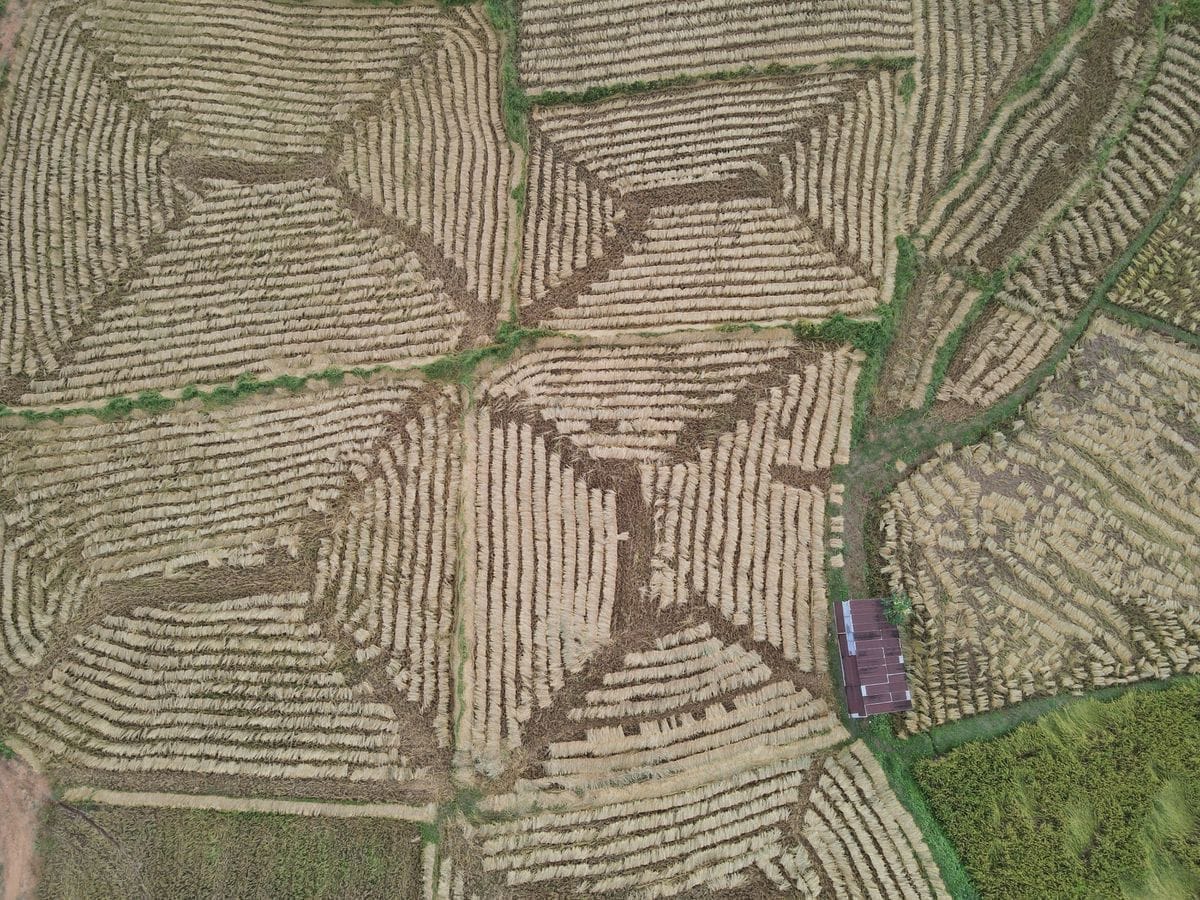
November to February is the best all-round period. Temperatures are cool (18–28°C), the harvest season fills the rice paddies with golden stubble, and festivals including Bun Kathin (merit-making after Buddhist Lent) animate local temples. The Candle Festival in Ubon Ratchathani (July) is one of Thailand’s most visually spectacular regional festivals — giant illuminated beeswax sculptures parade through the city — but falls during the rainy season.
March to May is hot and increasingly dry (35–40°C). June to October is the monsoon period — roads flood in lower-lying areas, Khao Yai’s trails can be slippery, but the waterfalls (Haew Narok falls at Khao Yai runs strongest) are at their most dramatic.
Must-See Highlights
Khao Yai National Park — The closest large national park to Bangkok (approximately 200km) and a UNESCO World Heritage Site, Khao Yai covers 2,168 sq km of montane forest. Wildlife sightings include Asian elephants, gaur, sambar deer, gibbons, hornbills, and — with significant luck — clouded leopards. Guided night safaris (approximately ฿1,200–1,800 per person) increase the chances of seeing nocturnal mammals — browse Khao Yai guided tours from Bangkok operators. The park’s best-known waterfall, Haew Narok, drops 80m in three stages through the jungle. Entry fee approximately ฿400 for foreigners. Our Khao Yai wildlife safari guide covers tour options in detail.
Prasat Hin Phimai, Nakhon Ratchasima — Built in the 11th–12th century during the Khmer Empire, Phimai is one of the most complete and best-restored Khmer complexes in Thailand. The central sanctuary, ringed by galleries and moats, predates Angkor Wat and was connected to it by a royal road. Entry approximately ฿100. Located in the town of Phimai, 60km northeast of Nakhon Ratchasima city.
Phu Chong Nayoi National Park, Ubon Ratchathani — One of the least-visited parks in Thailand, on the border with Cambodia and Laos. The forest here is genuinely wild, with reported sightings of Asiatic black bears and tigers (though the latter are extremely rare). The Phu Chong Nayoi falls are a 9km drive from the park entrance along an unpaved road. Access requires a private vehicle or motorcycle.
Mekong River towns — Nong Khai, opposite Vientiane, is the jumping-off point for crossing into Laos by friendship bridge. The walking street along the riverside runs sunset markets with Lao-influenced handicrafts and street food (approximately ฿50–100 per dish). Khong Chiam, where the Mun River meets the Mekong in two tones (dark and light water visible simultaneously), sits 70km from Ubon Ratchathani and has basic guesthouses from approximately ฿350.
Where to Stay by Budget
Isaan is the most affordable region in Thailand for accommodation. In Khon Kaen, decent mid-range business hotels run approximately ฿800–1,800; budget guesthouses approximately ฿300–600. The full Khon Kaen where to stay guide covers the main zones. Udon Thani has a wider range of international-standard hotels given its expat community — mid-range from approximately ฿900–2,200. The Udon Thani where to stay guide has specific options. Nakhon Ratchasima (Korat) has the most hotels given its size; the Nakhon Ratchasima where to stay guide covers the city centre and Phimai.
Practical Notes for First-Time Visitors
English signage is sparser in Isaan than in the tourist belt. Google Translate’s camera function (Thai character recognition) works well for menus and signs. Most guesthouses will have some English, but hiring a local guide for rural areas — particularly Khmer temple sites away from Korat — significantly improves the experience. Songthaews and tuk-tuks are the primary urban transport; renting a motorbike (approximately ฿200–300/day) is the most practical way to cover distances between sites.
Related guides: Khon Kaen where to stay · Udon Thani where to stay · Nakhon Ratchasima where to stay · Ubon Ratchathani where to stay · Khao Yai wildlife safari
Book an experience
Top experiences in Isaan (Northeast Thailand) Travel Guide
Find the best tours and activities across Isaan (Northeast Thailand) Travel Guide, with instant confirmation and free cancellation on most bookings.