Khon Kaen Travel Guide: Gateway to Isan
Khon Kaen travel guide: Isan food, silk weaving markets, the dinosaur museum, and northeast Thailand's main commercial and transport hub.
Guides for Khon Kaen
Khon Kaen at a glance
Khon Kaen is the largest city in northeast Thailand and the commercial and educational hub of the Isan region. It’s a university city with a younger demographic than most Isan towns, relatively good infrastructure, and a dining scene that gives access to some of the best regional food in Thailand.
The city isn’t a typical tourist destination - there are no iconic temples or dramatic landscapes within the city limits. But as a base for exploring northeast Thailand, it works well: good transport connections, decent accommodation, and day trips to sites that see almost no foreign tourists.
What to see
Khon Kaen National Museum - Two floors covering the prehistoric Ban Chiang culture (the region’s Bronze Age civilization) and Dvaravati-period Buddhist art. The Ban Chiang ceramics and painted pots are distinctive. The museum provides context for a day trip to the Ban Chiang UNESCO World Heritage site 110km north. Entrance approximately ฿100 as of 2026. Open Wednesday–Sunday 9am–4pm. Allow 1–1.5 hours.
Phu Wiang National Park - 80km west of Khon Kaen. Thailand’s most important dinosaur excavation site, where nine species have been found including the Thai-named Phuwiangosaurus sirindhornae. An open-air museum marks the dig sites with replicas and interpretive panels. The Phu Wiang Dinosaur Museum at the park entrance has full skeletal reconstructions and geological displays - entrance approximately ฿100. The park itself charges approximately ฿200 for foreign visitors. Best combined with an overnight stay or an early start from Khon Kaen. Minivans from the Khon Kaen bus terminal run to Phu Wiang town (approximately ฿80, 1.5 hours), then a motorbike taxi to the park entrance.
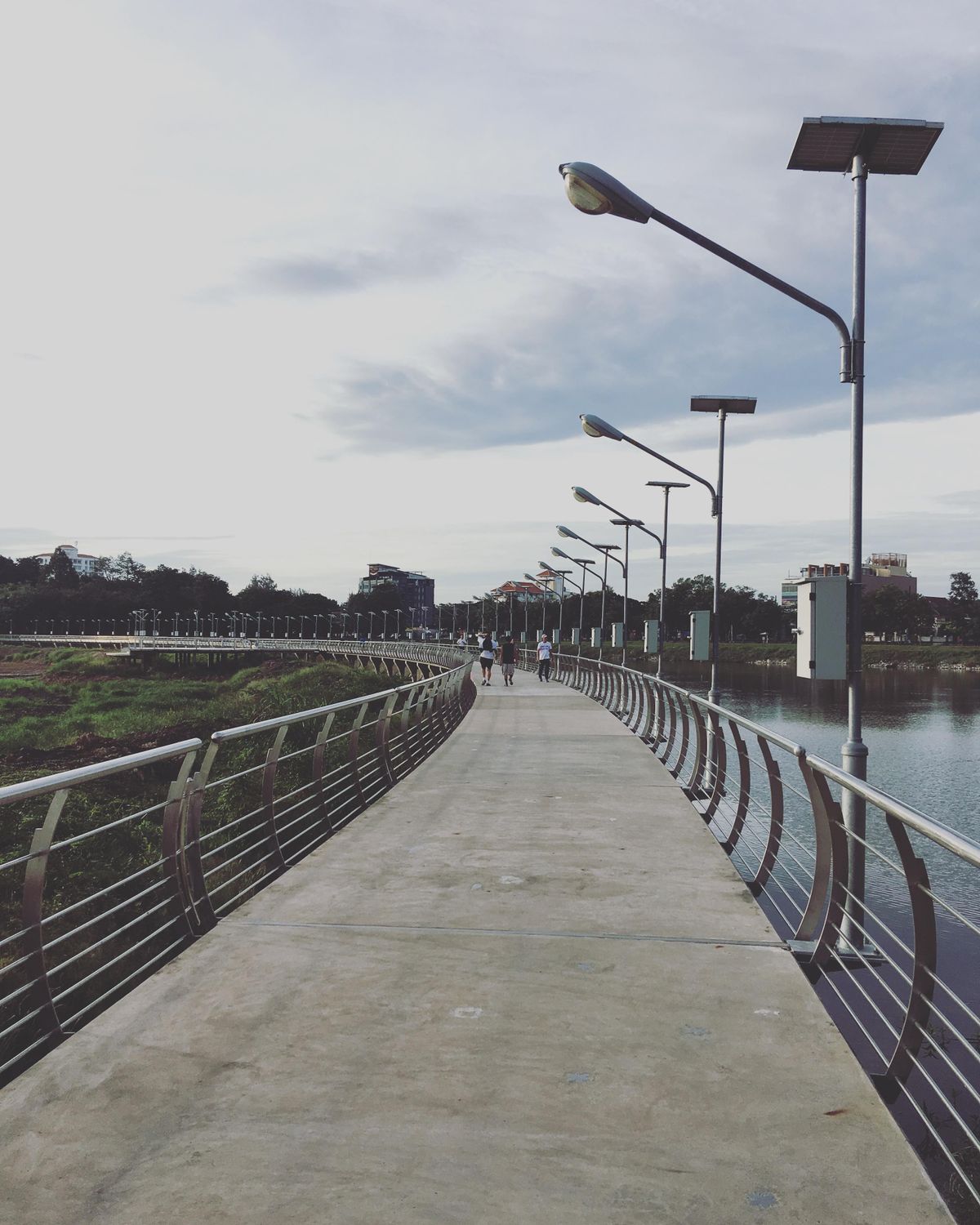
Bueng Kaen Nakhon Lake - The central lake is the social heart of the city, with a 4km walking and cycling path around the perimeter and evening food stalls along the south bank. The Wat That (temple) on the southeastern bank is the most visited temple in Khon Kaen - a nine-story Isan-style chedi with good views from the upper levels. The lake is at its best around sunset when locals gather for exercise and street food.
Chonnabot district - 54km south. The centre of Khon Kaen’s silk weaving tradition. Weavers work on hand-operated looms producing the region’s distinctive mudmee silk (tie-dyed patterns). The Saturday morning market in Chonnabot has the best selection of silk products at wholesale prices - scarves from approximately ฿200, full-length fabrics from approximately ฿800. The Sala Mai Thai Silk Centre in Chonnabot demonstrates the full production process. Songthaew from Khon Kaen approximately ฿50.
Phra Mahathat Kaen Nakhon - The city’s landmark nine-story stupa, 80 metres tall, on the southern edge of the lake. Each floor exhibits Buddhist art and artefacts from different periods. The top floor offers panoramic views of the city and surrounding plains. Free entrance. Open daily 8am–4:30pm.
King Cobra Village (Ban Khok Sa-Nga) - 50km northeast of Khon Kaen. A village where residents have traditionally lived alongside king cobras. Demonstrations (handling, shows) run daily. This is a genuine cultural oddity - not a tourist trap in the conventional sense, though the shows may not appeal to everyone. Entrance approximately ฿100.
Food
Khon Kaen is one of the best cities in Thailand to eat Isan food - the northeast’s cuisine that’s distinct from central Thai cooking: som tum (papaya salad), larb (minced meat salad), gai yang (grilled chicken), sticky rice, and nam tok (waterfall beef salad). The flavour profile is more sour, spicy, and funky than Bangkok Thai food - fermented fish paste (pla ra) is a defining ingredient.
Rot Fai Market - Near the train station. Evening market from 5pm with concentrated Isan food stalls. A full meal costs approximately ฿50–80. The grilled pork neck (kor moo yang) and papaya salad stalls are the best.
Tong Khon Kaen Restaurant - On Klang Muang Road. A step up from street food, serving refined Isan dishes in an air-conditioned setting. Mains approximately ฿100–200. The larb ped (duck larb) and grilled catfish are well-regarded.
Khan Luk Chin Yai - A Khon Kaen institution for moo yang (grilled pork) and somtum. Located on the south side of the lake. Busy at lunchtime with university students and office workers. Mains from approximately ฿50–80.
Fairy Plaza Night Market - Behind Central Plaza. A large evening market with more variety than the Rot Fai market, including Thai-Chinese dishes and Yunnanese noodles alongside standard Isan fare. Open nightly from approximately 5pm. Dishes from ฿40–80.
Khon Kaen University area - The streets around KKU have the densest concentration of affordable restaurants and cafés in the city. Soi Ratchakhru has Korean, Japanese, and Thai options - mains from approximately ฿60–120. Coffee shops from ฿50.
See our full Khon Kaen accommodation guide for hotel picks across every budget.
Practical information
Getting there - Flights from Bangkok Don Mueang (1 hour) with AirAsia and Nok Air - fares from approximately ฿500–1,200 one way. Train from Bangkok Hua Lamphong (7–8 hours, sleeper approximately ฿600–1,000). Bus from Bangkok Mo Chit (6–7 hours, approximately ฿300–400).
Getting around - Grab operates in Khon Kaen and is the easiest way to get around. Songthaews run fixed routes for approximately ฿15–20 per trip. Rent a car or join a tour for Phu Wiang and Chonnabot - neither is practical by public transport alone. For day trips and activities in the northeast, browse tours available from Khon Kaen and across Isan.
How long to stay - One day covers the museum, lake, and food markets. Two days adds Chonnabot or the Cobra Village. Three days allows Phu Wiang National Park. Most travellers pass through in 1–2 days en route through Isan.
Best time to visit - November to February is cool and dry. March–May is extremely hot (regularly above 38°C). June–October is the rainy season but greener and less crowded.
Book your Khon Kaen trip: Hotels in Khon Kaen · eSIM for Thailand
See also: Things to do in Khon Kaen · Three weeks in Thailand · Getting around Thailand · Best tours in Thailand
Upcoming Events in Khon Kaen
- Wonderfruit Festival
Wonderfruit 2026: 17-21 December near Pattaya. Arts, music, and sustainability festival with international artists, food markets, and wellness activities.
Book an experience
Top experiences in Khon Kaen
Explore the best tours and activities in Khon Kaen , with instant confirmation and free cancellation on most bookings.