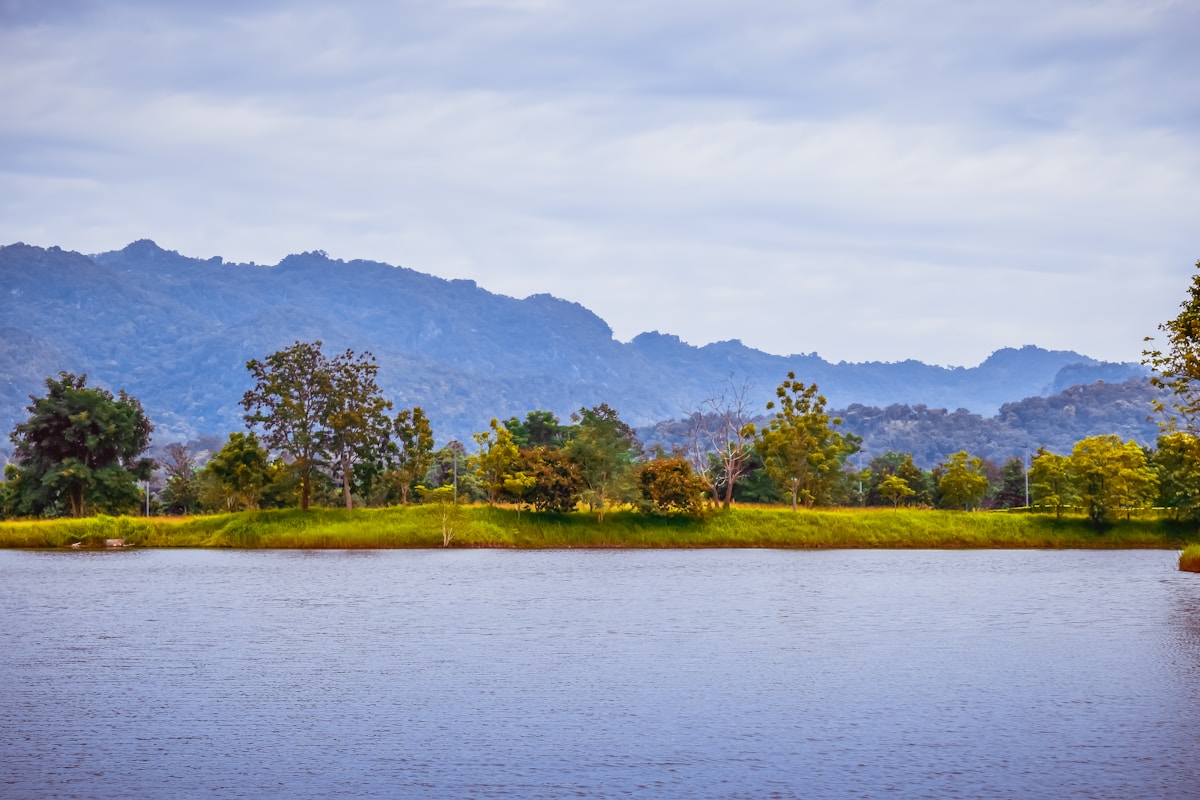
The Golden Triangle is the name given to the point where Thailand, Myanmar, and Laos converge at the junction of the Mekong and Ruak rivers. For several decades through the 20th century, this highland region produced a significant proportion of the world’s opium supply. Today it draws visitors for its border-crossing novelty, the excellent Hall of Opium museum, Mekong River boat trips, and the broad views over three countries from a single riverbank vantage point.
From Chiang Mai, the Golden Triangle is the centrepiece of northern Thailand’s most popular day trip or overnight circuit - typically combined with Chiang Rai’s White Temple, the Blue Temple, and sometimes Mae Salong tea country.
Top Tours at a Glance
Here’s a quick comparison of top-rated tours on GetYourGuide:
| Tour | Duration | Price (from) | Group Size | Highlights |
|---|---|---|---|---|
| Golden Triangle, White Temple & Blue Temple Day Trip | 12 hrs | from $55/person | Group (max 12) | Sop Ruak viewpoint, Don Sao boat trip, Chiang Rai temples |
| Golden Triangle & Hall of Opium Tour | 10 hrs | from $45/person | Group (max 14) | Hall of Opium museum, Mekong River boat ride, three-country viewpoint |
| 2-Day Chiang Rai & Golden Triangle Circuit | 2 days | from $80/person | Group (max 10) | White Temple, Mae Salong tea village, overnight in Chiang Rai |
| Private Golden Triangle Day Tour | 12 hrs | from $90/person | Private (2–6) | Flexible itinerary, all temples, riverside lunch |
Browse all Golden Triangle tours → GetYourGuide
What Is the Golden Triangle Exactly
The precise meeting point of the three countries is at the town of Sop Ruak, on the Thai bank of the Mekong in Chiang Rai province. A large gilded Buddha image on a barge in the river marks the confluence, and the viewpoint hill above the town gives a clear panorama of all three nations simultaneously - a legitimately striking sight on a clear morning.
Chiang Saen, 10 km downriver, is the more substantial town, with a Mekong waterfront, several restaurants, and the ferry pier for boat trips to the Lao island of Don Sao.
Getting There from Chiang Mai
The overland route from Chiang Mai to Sop Ruak runs approximately 220 km north on Route 1 - 3 to 3.5 hours by private car or van depending on stops. Green Bus Thailand runs a direct Chiang Mai–Chiang Saen service (approximately THB 120–150, 3.5 hours) with connections onward to Sop Ruak by songthaew for around THB 30–50. However, for a day trip, hiring a private driver or joining a minivan tour is far more practical than public transport.
One-Day Tour Options from Chiang Mai
Most one-day Golden Triangle tours from Chiang Mai run as a circuit, combining the White Temple and Blue Temple in Chiang Rai with the Golden Triangle viewpoint and a Mekong boat ride. Expect a 6:30–7:30am departure and return by 8–10pm.
GetYourGuide lists several certified operators:
-
North-by-Northeast Tours runs a popular small-group day circuit (max 12 passengers) covering White Temple, Blue Temple, Chiang Saen waterfront, Don Sao island boat trip, Hall of Opium, and the Golden Triangle viewpoint. Priced at approximately THB 1,500–1,800 per person including transport and guide; lunch and entry fees extra. Minivan pickup from Chiang Mai guesthouses.
-
Amazing Chiang Mai Day Tours offers a similar route with a private van option for groups of 2–6, priced at approximately THB 2,500–3,000 per person for a fully private vehicle and English-speaking guide. Slightly more flexible pacing than the group tours.
-
Viator lists joining tours from approximately THB 1,400 per person (budget end, larger group, fewer stops) up to THB 3,500 for private tours including White Temple, Blue Temple, a hill tribe village visit, and the Golden Triangle.
Day-trip tickets on GetYourGuide can generally be reserved 24–48 hours in advance. November through February sees higher demand; book a week ahead during the peak season.
Two and Three-Day Tour Options
Extending to two or three days allows you to cover the full northern circuit at a more relaxed pace - adding the Black House (Baan Dam) at Chiang Rai, the tea plantations at Mae Salong, the border town of Mae Sai, and potentially a morning at Doi Tung Royal Villa.
Chiang Mai Trekking & Touring offers a 2-day Golden Triangle package departing daily that includes accommodation in Chiang Saen or Chiang Rai, breakfast, all transport, guide, and the Mekong boat trip. Prices start at approximately THB 3,200 per person sharing (twin room), rising to THB 4,500 for a single supplement. Hall of Opium and White Temple entry are extra.
North Trek Chiang Mai runs a 3-day northern circuit combining Chiang Rai temples, Golden Triangle, Mae Sai border market, and a Mae Salong tea village home-stay at approximately THB 4,800–5,500 per person (2 nights accommodation included). Group sizes are capped at 8.
Private 2-day packages (your vehicle, your pace) can be arranged through most Chiang Mai tour desks for approximately THB 6,000–8,000 for 2 people including accommodation, driver, and fuel - more expensive per head but significantly more flexible.
The Mekong River Boat Trip
From the Chiang Saen waterfront pier, long-tail boats make the short crossing to Don Sao island (on the Lao side of the Mekong). The return trip costs approximately THB 50–80 per person and takes about 20 minutes round-trip, including time to walk through the island’s small market selling Lao whisky, handicrafts, and souvenirs. You disembark with a temporary border pass issued at the pier - no Lao visa is required for this specific island, but you cannot proceed further into Laos without one.
For a more scenic experience, some operators arrange longer Mekong cruises aboard slow boats between Chiang Saen and Chiang Khong (the Thai border town for crossing into Luang Prabang). These full-day cruises cost approximately THB 2,500–4,000 per person depending on vessel class and typically depart in the morning. If you plan to continue into Laos, this is a quieter and more atmospheric crossing than the Mae Sai–Boten route.
Boat trips slow down or stop during the driest months (March–April) when water levels drop significantly. The river runs highest and fastest from August through October.
Hall of Opium
The Hall of Opium (officially the Opium Museum, operated by the Mae Fah Luang Foundation) sits in Sop Ruak, approximately 500 metres from the Golden Triangle viewpoint. It is the most substantive museum in northern Thailand and one of the best in the country.
The permanent collection covers the botany of the opium poppy, the history of the drug trade along the Mekong, the social impact on hill tribe communities, and the Thai royal family’s crop-substitution programme that transformed the region from the 1980s onward. Displays are well-translated into English, and the recreated opium den and smuggling route walk-throughs give non-specialists clear context.
Entry fee: approximately THB 200 per person (as of 2026; confirm at the gate). Children under 15 enter free. Opening hours: 8:30am–4:00pm, closed Mondays. Time required: 1.5–2.5 hours for a thorough visit.
The museum café serves decent coffee and light meals - useful for a midday break before the return drive to Chiang Mai.
Border Points: Myanmar and Laos
Mae Sai (approximately 40 km northeast of Sop Ruak) is the busiest Thai–Myanmar land border crossing in the north. From the Thai side you can cross into the Burmese border town of Tachileik on a day visa (available at the border, approximately USD 10 cash). Tachileik’s main draw is its market - electronics, gemstones, and local goods - though the town itself is small and the experience is more novelty than essential. Check current border status before visiting, as crossings occasionally close without notice.
Chiang Khong on the Mekong (approximately 75 km from Sop Ruak) is the crossing point for Laos, with ferry boats crossing to Huay Xai. A Lao visa on arrival is available at the Huay Xai immigration office (USD 30–42 depending on nationality, requires a passport photo). From Huay Xai, slow boats depart for Luang Prabang (2 days) - a popular route for overland travellers continuing through Southeast Asia.
What to Combine With a Golden Triangle Tour
White Temple (Wat Rong Khun): 70 km south of Sop Ruak in Chiang Rai. This contemporary temple by artist Chalermchai Kositpipat is one of the most photographed buildings in Thailand. Entry is free (as of 2026). Worth 45–60 minutes.
Blue Temple (Wat Rong Suea Ten): 6 km from Chiang Rai city centre. Striking all-blue interior with naga serpent columns. Free entry; allow 30 minutes.
Mae Salong: A former Nationalist Chinese settlement in the hills above Chiang Rai, now better known for oolong and green tea. The market runs in the mornings; tea shops line the main road. A worthwhile half-day addition on a 2-day itinerary.
Black House (Baan Dam): Artist Thawan Duchanee’s compound near Chiang Rai mixes dark wood, animal horns, and Buddhist imagery into an unconventional but compelling collection. Entry approximately THB 80. Worth 1–1.5 hours.
Golden Triangle Tours at a Glance
Prices are approximate as of 2026. Book via GetYourGuide for free cancellation.
| Tour | Duration | Price (approx.) | Group size | What’s included |
|---|---|---|---|---|
| Golden Triangle + White Temple day tour from Chiang Mai | 9–10 hrs | from $40 | Group | Transport, guide, Hall of Opium, Mekong boat |
| Private Golden Triangle day trip | 9 hrs | from $100/vehicle | Private | Driver-guide, hotel pickup, flexible itinerary |
| Golden Triangle 2-day tour | 2 days | from $120/person | Small group | Hotel, guide, White Temple, Chiang Rai |
| Mekong River boat trip + Golden Triangle | 3 hrs | from $15/person | Group | Local longtail boat, viewpoint, Don Sao island stop |
| Self-drive / private taxi from Chiang Rai | Full day | THB 2,500–3,500 (~$70–100) | Private vehicle | Driver only, no guide |
Practical Notes
- Best light at the viewpoint: Sunrise and early morning give the clearest views over the confluence - aim to arrive by 7–8am before tour-bus groups and before morning haze builds.
- Haze season: March to May sees heavy smoke haze from crop burning across Myanmar and Laos. Views can be severely restricted. November–February is visually far superior.
- Currency: Thai baht is accepted everywhere in Sop Ruak and Chiang Saen. On Don Sao island, Lao kip, Thai baht, and Chinese yuan are all accepted in market stalls.
- Accommodation: Chiang Saen has basic guesthouses from approximately THB 400 per night. Chiang Rai city (45 minutes south) has more options across all budgets, from THB 350 hostels to THB 3,000+ boutique hotels.
- Independent drivers: If you prefer flexibility over a group tour, many guesthouses in Chiang Mai can arrange a private driver for the day at approximately THB 2,500–3,500 (car + driver, not per person).