For a winter-sun holiday, Thailand and Vietnam are the two obvious Southeast Asian options, and they behave very differently from November to February. Thailand has two coasts and one or the other is almost always in season, so it is the lower-risk choice. Vietnam stretches 1,600 km from north to south, so its weather is split into three, and only the far south is reliably sunny in winter. We compare the two for beach weather, sea temperatures, costs, and what else you get. Prices are approximate, as of 2026. For a culture-led comparison, see our general Thailand vs Vietnam guide.
The Verdict
Thailand wins for reliable weather from mid-December to February, for beach variety and for the best resort infrastructure. Vietnam wins for lower costs, for a quieter and cheaper Phu Quoc, and for travellers who care more about food and cities than sand. If a single-destination beach holiday is the goal, choose Thailand.
Weather Compared: December
| Region | Thailand (December) | Vietnam (December) |
|---|---|---|
| North city | Chiang Mai 28°C day, 16°C night, dry | Hanoi 20°C day, 14°C night, grey drizzle |
| Capital or main city | Bangkok 31°C, dry | Ho Chi Minh City 32°C, dry |
| Central coast | n/a | Da Nang 23°C, wet, rough sea |
| Main beach area | Phuket and Krabi 32°C, sea 29°C | Nha Trang 27°C, sea 26°C, showers |
| Best island | Koh Lanta, Krabi 32°C, 6-8 rain days | Phu Quoc 31°C, sea 28°C, dry |
Figures are approximate climate averages. The pattern is clear: Vietnam’s weather is excellent in the south only, while Thailand is excellent in the south, in Bangkok and, with cooler nights, in the north.
Weather Compared: Month by Month
- November: Thailand is still wet on the Andaman and Samui sides. Vietnam’s central coast is at peak typhoon and flood risk. Draw: pick Bangkok and Chiang Mai, or Phu Quoc.
- December: Thailand’s Andaman coast clears; Phu Quoc is excellent. Thailand ahead.
- January: Thailand is excellent on both coasts, with sea at approximately 28°C. Vietnam’s south is great, the centre remains cool and cloudy. Thailand ahead.
- February: Both are good. Nha Trang and Da Nang improve from late February, and Thailand’s visibility is at its best. Close to level.
Our Thailand winter sun guide has the full Thai month-by-month table.
Beaches and Islands
Thailand: The choice is vast: Phuket (Kata, Karon, Surin), Krabi (Railay, Ao Nang), Koh Lanta, Koh Samui, Koh Phangan and Koh Tao. Water is clear and 27-29°C, and long-tail boats, snorkelling and day trips are well organised. See our island-hopping itinerary. Our Phuket vs Krabi comparison helps you choose.
Vietnam: Phu Quoc is the main winter beach, with calm water and sunsets. Nha Trang and Da Nang have long city beaches but are rainy until about the end of December. Con Dao is quieter and excellent but harder to reach. Vietnamese beaches are generally less developed and less clear than Thailand’s, but cheaper.
Cost Comparison
| Item | Thailand | Vietnam |
|---|---|---|
| Mid-range beach hotel per night | from approximately 3,500-5,000 THB (about 100-140 USD) | from approximately 70-110 USD |
| Beach meal for two | approximately 600-1,200 THB | approximately 450-900 THB equivalent |
| Peak festive premium (21 Dec to 2 Jan) | 50-150% on islands | 30-80% on Phu Quoc |
| Domestic flight to the main beach | Bangkok to Phuket from approximately 1,200 THB | Ho Chi Minh City to Phu Quoc from approximately 900 THB equivalent |
Vietnam is typically 15-30% cheaper for equivalent comfort. Thailand’s price spike over Christmas and New Year is steeper, so consider travelling 1-18 December or after 5 January. See our Thailand budget guide.
Visas and Getting There
Thailand allows visa-free entry for many nationalities (check eligibility at the official Thai e-visa site), and our visa guide covers current rules. Vietnam requires an e-visa for most nationalities, applied for through the Vietnam immigration portal, and processing takes up to several working days. For both, compare flights to Thailand and add travel insurance.
Food, Culture and Things to Do
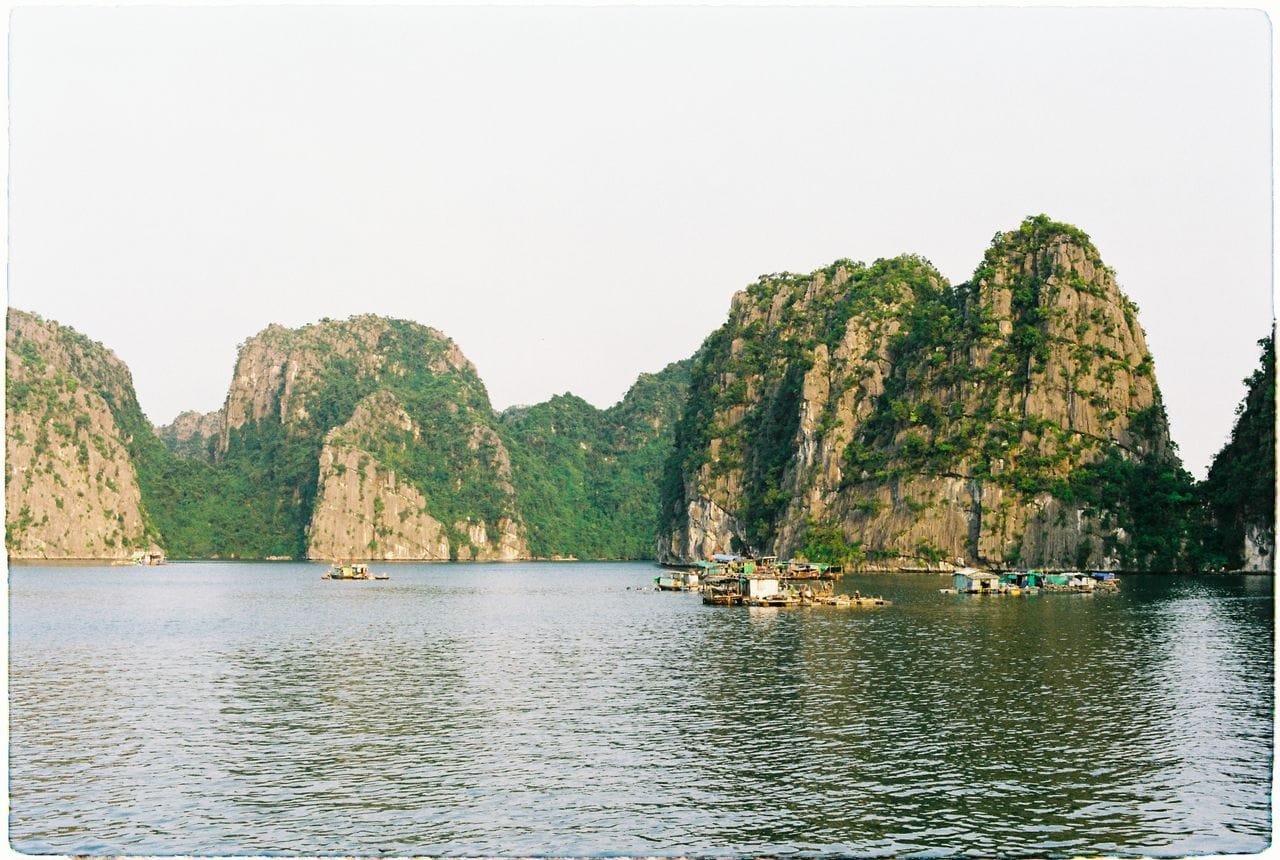
Thailand offers island-hopping, diving, elephant sanctuaries, temples and a huge nightlife scene. Vietnam has remarkable street food, such as pho in Hanoi, banh mi in Hoi An and seafood on Phu Quoc, as well as Ha Long Bay and lantern-lit Hoi An. Hoi An and Ha Long Bay are cool and often misty in December and January, so they are better in spring.
Browse Phuket tours and Krabi tours to see what Thailand’s Andaman has on offer.
Can You Combine Them?
Yes, and this is often the best answer. A 14-day winter loop could be Bangkok (3 nights), Krabi and Koh Lanta (6 nights), then a 2-hour flight to Phu Quoc or Ho Chi Minh City (5 nights). Avoid putting Da Nang, Hoi An or Hanoi in a December itinerary if sun is the aim.
Crowds and Atmosphere
Thailand’s winter beaches are busy, particularly Kata, Karon, Chaweng and Ao Nang from 21 December, and beach clubs, night markets and organised boat trips are everywhere. That suits travellers who want choice and easy logistics. Phu Quoc is calmer and less polished, with a handful of large resorts on the west coast and a night market at Duong Dong, and the south of Vietnam feels more local and less set up for package tourism. If a quiet Christmas matters, Koh Lanta is Thailand’s closest equivalent.
Who Should Choose What
- First-time winter-sun traveller: Thailand.
- Families with young children: Thailand, for resort and medical infrastructure.
- Budget couples who prefer food and cities: Vietnam’s south, with a Phu Quoc finish.
- Divers: Thailand (Koh Tao, Similan Islands from mid-November).
- Christmas week on a budget: Phu Quoc or Ho Chi Minh City, then Bangkok.
For Thai festive costs, see Christmas in Thailand and New Year’s Eve in Thailand.
Planning the month itself? Our Thailand in November and Thailand in December guides cover weather, crowds and prices week by week.