Koh Kood Travel Guide: The Gulf Island That Stayed Quiet
Koh Kood has no airport and no 7-Eleven - that's the point. Guide to Klong Chao beach, Nam Tok Waterfall, and how to get there from Laem Ngop.
Guides for Koh Kood
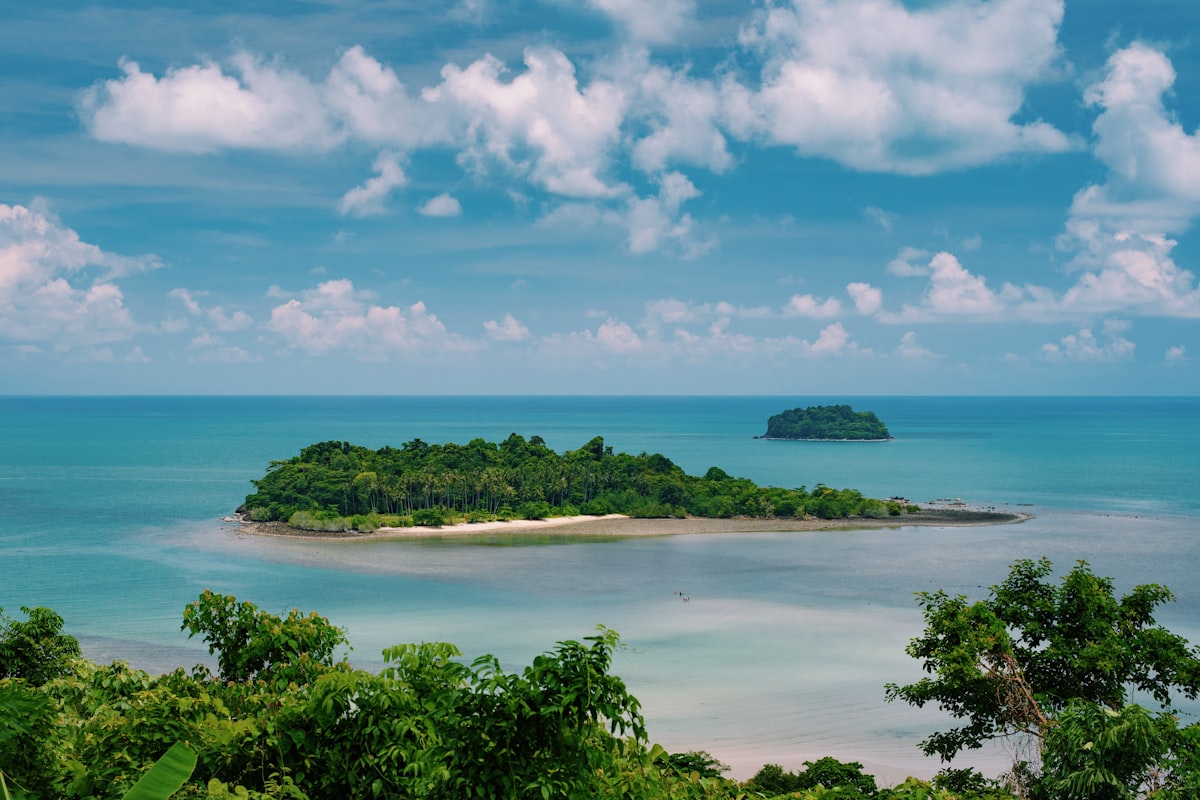
Koh Kood (also spelled Ko Kut) is the fourth-largest island in Thailand and one of the least-developed. It sits off the Trat coast in the eastern Gulf of Thailand, 90 kilometres south of Koh Chang and 20 kilometres from the Cambodian maritime border. The reason it stayed quiet for so long is that it is genuinely hard to reach and has no airport - getting here requires a bus to Trat, a songthaew to the pier, and a boat across two hours of open water. That inconvenience is also the reason its beaches are in the condition they are.
Getting to Koh Kood
From Bangkok by bus + boat - The most common route. Buses from Bangkok’s Eastern Bus Terminal (Ekamai) or Mo Chit station reach Trat in approximately 5–6 hours (overnight buses available, approximately ฿350–500 as of 2026). From Trat, share taxis or songthaews run to Laem Ngop pier (40 minutes, approximately ฿100). Speedboats from Laem Ngop (and nearby Ao Thammachat pier) take 1.5–2 hours to Koh Kood (approximately ฿600–800).
From Bangkok by flight - Bangkok Airways operates daily flights from Bangkok Suvarnabhumi to Trat Airport (50 minutes, from approximately ฿1,200 as of 2026). The airport is 40km from Laem Ngop pier. Transfers are arranged through most resorts on the island. This cuts the journey to under half a day from Bangkok.
From Koh Chang - High-season speedboats connect Koh Chang to Koh Kood (1–1.5 hours, approximately ฿500–700). Services typically run November to April; ask at the Koh Chang pier about current schedules.
Note: Many boats to Koh Kood are operated by resorts and are available primarily to guests. Public ferry services exist but are less frequent than to Koh Samui or Koh Chang. Pre-booking transfers through your accommodation simplifies logistics considerably.
The Beaches
Koh Kood’s beaches face the eastern and western shores and are typically long, sand-floored, and backed by coconut palms and jungle rather than resort strips.
Hat Klong Chao (Khlong Chao Beach) - The main beach, on the northwest coast, approximately 3 kilometres of pale sand with shallow, warm water. The Khlong Chao river meets the sea here, creating a freshwater lagoon behind the beach that is popular for kayaking. Hat Klong Chao has the highest concentration of accommodation on the island. The water is calm and reef-free - good for swimming but not snorkelling from the beach itself.
Ao Bang Bao - A west-coast bay at the southern end of the island, with a fishing village and a sheltered, shallow bay. The calmest swimming on the island - water depth increases gradually over a sand bottom, making it well-suited for families. The village itself retains a working-fishing character with far less tourist infrastructure than the northern beaches. Several wooden jetties extend into the bay; the late-afternoon light here is excellent.
Hat Tapho - A smaller beach on the east coast, accessed by a dirt track from the main road. Less visited than the west coast beaches, the water here faces east and is sometimes rougher in the northeast monsoon. Good for solitude; no resorts front directly onto it.
Ko Rang (snorkelling) - An uninhabited island 30 minutes by speedboat from Koh Kood, with the best coral reefs in the area. Day trips to Ko Rang are available from the main piers; half-day snorkelling tours cost approximately ฿800–1,200 per person as of 2026. The coral coverage is among the best in the Gulf of Thailand. Browse tours and activities in the Trat islands for snorkel day trips and island-hopping options.
Waterfalls
Koh Kood has two waterfalls accessible from the main road - a feature unusual enough on a Thai island to be worth highlighting.
Nam Tok Khlong Chao - The larger and more visited waterfall, 3 kilometres inland from Klong Chao Beach. The falls drop in a series of tiers into a wide pool - good for swimming in the dry season when water levels are manageable. The track passes through secondary forest and takes 20–30 minutes on foot from the road. No entrance fee. Best in the morning before it gets busy.
Nam Tok Khlong Yai Ki - A smaller waterfall further south, accessed via a dirt track off the main road. Fewer visitors and a more jungle feel. The swimming pool at the base is narrow but private. Take a scooter - the access road is not suited to standard vehicles.
Kayaking and Water Activities
Khlong Chao River kayaking - Rental kayaks are available at Klong Chao Beach (approximately ฿200–300/hour). The river runs inland through mangroves and jungle - paddling upstream at high tide gets you into a tunnel of mangrove roots where kingfishers and monitor lizards are common. A 2-hour paddle and back is a good half-day activity.
Fishing - Koh Kood’s waters have been fished less intensively than those around Thailand’s larger island resorts. Several guesthouses can arrange half-day or full-day fishing trips on local boats (approximately ฿1,500–2,500 per boat as of 2026).
Snorkelling at Ko Rang - The best snorkelling requires a boat (see above). Closer to the island, the rocky points at Ao Bang Bao’s southern headland have accessible coral in 1–3 metres of water - take a mask and fins and explore from the beach.
Where to Stay
Koh Kood’s accommodation skews toward mid-range and above - the difficulty of getting here has historically supported higher price points. Budget options exist but are limited.
Budget: Peter Pan Resort on Klong Chao Beach has basic fan bungalows from approximately ฿500–900/night. Tara Guesthouse in the village area offers rooms from around ฿400–700/night as of 2026, but books out quickly.
Mid-range: Shantaa Koh Kood on Klong Chao has thoughtfully designed bungalows in a garden setting from approximately ฿1,800–3,000/night. Tinkerbell Resort on the same beach is a solid option at approximately ฿1,200–2,500/night.
Upper mid-range: Koh Kood Beach Resort occupies a good stretch of Klong Chao with air-con rooms and a pool from approximately ฿2,500–4,500/night. Off on Holiday Lipe (the Koh Kood branch) has attractive bungalows at similar rates.
Luxury: Soneva Kiri Resort occupies the island’s southwestern tip with private pool villas from approximately USD 2,000+/night. The resort is self-contained with its own transport and is designed as an eco-luxury retreat - functionally a different experience from the rest of the island.
Dining on Koh Kood
The restaurant scene on Koh Kood is small and mostly clustered around the Klong Chao Beach area and Ban Klong Chao village. The island’s isolation keeps prices reasonable by Thai island standards — expect to pay less here than on Koh Chang or Koh Samui for equivalent quality.
Klong Chao Beach area: the restaurant attached to Shantaa Koh Kood resort is the most reliably good kitchen on the north end of the island — it is open to walk-in guests as well as resort guests and serves a well-executed Thai menu with some Western dishes. Mains run approximately ฿120–280. The shacks along the beachside track north of the main access point serve grilled seafood in the evening — whole grilled fish (pla pao), prawns on skewers, and squid at approximately ฿150–350 per plate, priced by weight. These are informal operations with plastic tables and good seafood.
Ban Klong Chao village: the village has a small cluster of local restaurants catering to workers and island residents rather than tourists. Bai Toey Restaurant is the most frequently recommended — khao pad (fried rice), tom yam goong (spicy prawn soup), and pad kaprao (basil stir-fry) at ฿80–140 per dish. English menus available; open for lunch and dinner.
Ao Bang Bao: the fishing village at the southern end of the island has three or four seafood restaurants attached to the wooden jetties. Aimed partly at day-trippers, they serve grilled fish, shellfish, and simple Thai dishes (฿120–250 per main). The view from the jetty restaurants across the bay is worth the drive south on its own. One restaurant at the far end of the jetty is open for sunset beers from approximately 4pm.
Self-catering and provisions: a small morning market in Ban Klong Chao (open approximately 6:30–9am) sells produce, eggs, fresh-caught fish, and noodle soup. This is the island’s main food provisioning point outside the resorts. Convenience goods (bottled water, snacks, canned food, basic toiletries) are sold at resort shops and three or four small stores along the main road, but selection is limited — stock up in Trat if you need specific items or dietary staples.
Practical Information
Getting around: Scooter hire (approximately ฿300–400/day as of 2026) is the most practical option. The main road runs roughly north to south along the island’s western shore. The roads are paved on the main route; dirt tracks branch off to the eastern beaches. Tuk-tuks and shared songthaews run between the main beaches but infrequently.
Electricity: Koh Kood has 24-hour electricity from a mainland cable (upgraded from generators in recent years) and mobile signal across most of the island. Not all accommodation has air-conditioning - check before booking if this matters to you.
Cash: Bring cash from the mainland. There is one ATM on the island and it charges ฿220/withdrawal as of 2026; it also occasionally runs dry during high season. Trat town is the nearest place to withdraw reliably.
Best time: November to April for dry weather and calm seas. The best beach weather is January–March. October is the tail of the monsoon - rain is possible but the island is accessible. June–September is wet season with rougher seas; boat services continue but are weather-dependent.
See also: Koh Chang guide · Koh Samet guide · Koh Samui guide · Best time to visit Thailand · Getting around Thailand · Thailand island hopping itinerary · Best tours in Koh Kood · Best tours in Thailand
Upcoming Events in Koh Kood
- Wonderfruit Festival
Wonderfruit 2026: 17-21 December near Pattaya. Arts, music, and sustainability festival with international artists, food markets, and wellness activities.
Book an experience
Top experiences in Koh Kood
Explore the best tours and activities in Koh Kood , with instant confirmation and free cancellation on most bookings.