Krabi Travel Guide: Limestone Cliffs, Beaches, and Islands
Krabi travel guide: Railay Beach, Ao Nang, Tiger Cave Temple, rock climbing, kayaking, and the best mainland base for Andaman day trips.
Guides for Krabi
Krabi at a glance
Krabi is a province and town on Thailand’s Andaman coast, about 175km from Phuket. The town itself is a transit point - the actual destinations are the beaches and islands that surround it. Ao Nang is the main beach resort area (accessible by road). Railay Beach is only reachable by boat, which keeps it more protected from overdevelopment despite being one of Thailand’s most-photographed spots.
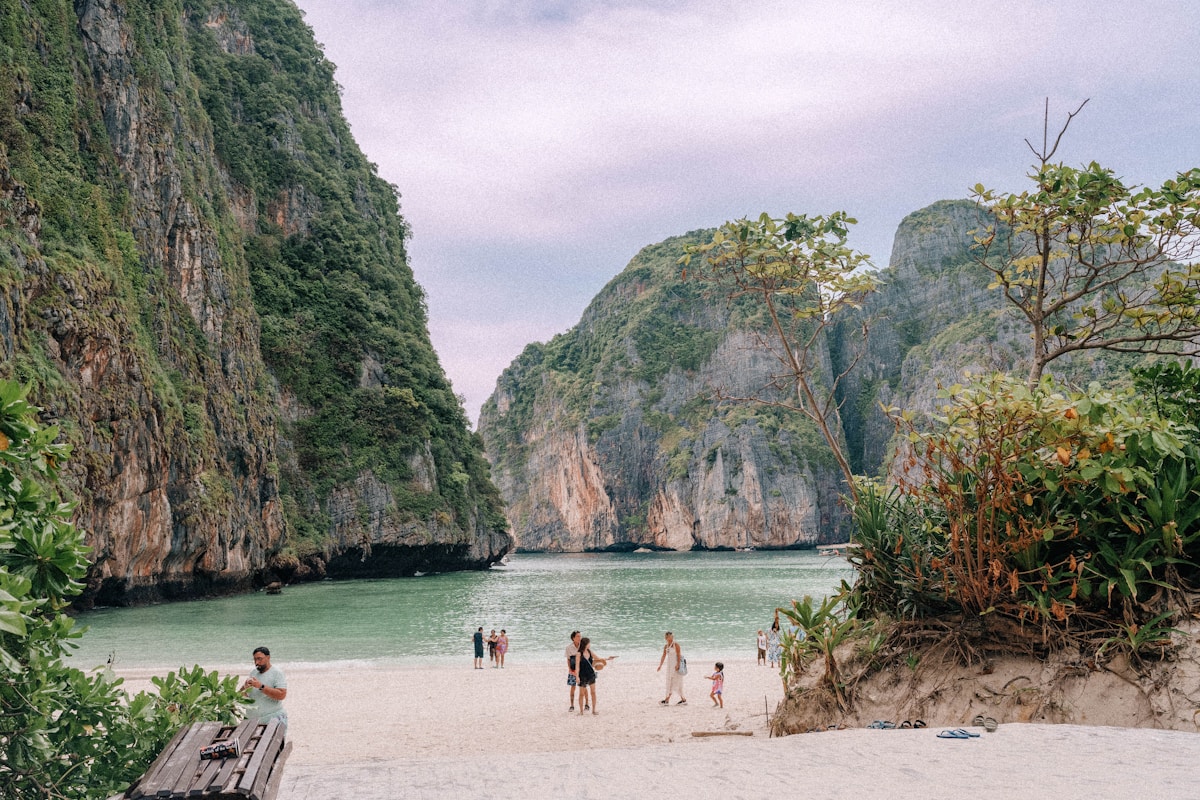
The region’s signature feature is its limestone karst landscape - the same geology that produces the dramatic cliffs of Phang Nga Bay and Koh Phi Phi. Rock faces rise directly from the water, making the area a hub for rock climbing as much as beach tourism.
Railay Beach
Railay divides into two sides. Railay West faces the sunset and has the calmer, swimmable beach. Railay East is the boat landing and backs onto mangroves - functional but not a swimming beach. The two sides are connected by a 5-minute walk through the central village area.
At the east end of Railay West, a path climbs to Phra Nang Cave (Princess Cave) - a spectacular sheltered bay considered one of the most beautiful beaches in Southeast Asia. This is also the base of the main rock climbing routes.
Railay fills up during peak season. Stay on the beach if budget allows - the experience after day-trippers leave is significantly better.
Rock climbing
Krabi has over 700 bolted routes on limestone, concentrated around Railay and the nearby Tonsai Beach. Routes range from beginner single-pitch to challenging multi-pitch on the big karst walls. Krabi Rock Climbing and King Climbers are well-established operators offering half-day to multi-day instruction for all levels. A full-day beginners course with equipment runs around ฿1,500–2,000.
Island day trips
Koh Phi Phi - A 1.5-hour speedboat from Ao Nang. The island is heavily visited but the water clarity around it remains exceptional, especially at Maya Bay (the Beach location, now with a daily visitor cap). Full-day tours from Krabi run ฿800–1,200. Browse Krabi island tours, rock climbing experiences, and kayaking trips to compare operators and book ahead during high season. Outside peak season, last-minute availability is common - check our last-minute tours page if you prefer to book on arrival.
Hong Islands - Four islands with a sheltered lagoon. Less visited than Phi Phi, calmer seas, very good snorkelling. Best visited by longtail or kayak tour (฿600–900 per person).
Thung Teao Forest Natural Park - The Emerald Pool (Sa Morakot) and Blue Pool are inland freshwater springs about 45km from Krabi town. Clear water through rainforest, best in the morning before the tour groups arrive.
Practical information
Getting there - Krabi International Airport has direct flights from Bangkok (1h15m), Kuala Lumpur, and Singapore. A minivan to Ao Nang from the airport costs around ฿150. Alternatively, overnight ferry from Phuket takes about 5 hours.
Where to stay - Ao Nang for convenience and restaurant variety. Railay for beach access and atmosphere (more expensive, no vehicle access). Krabi town for the most affordable base, best for independent travellers connecting to day trips.
Costs - Ao Nang street food: ฿60–100 per dish. Budget guesthouse: ฿500–800/night. Mid-range Railay beachside resort: ฿2,500–5,000/night.
See our full Krabi accommodation guide for hotel picks across every budget.
Where to eat in Krabi
Ruen Mai in Krabi town is the most consistent recommendation for traditional Thai cooking in the region. The restaurant sits in an open-air garden setting and is particularly well-suited to lunch before afternoon boat connections from the town pier. The menu covers central and southern Thai dishes accurately - not adapted for tourist palates. Budget approximately ฿150–300 per person.
Lae Lay Grill in Ao Nang is perched above the sea on a clifftop position, with panoramic views over the bay. The kitchen specialises in grilled seafood and southern Thai curries - the crab curry and whole grilled barramundi are the dishes most consistently ordered. Budget approximately ฿300–700 per person; evenings are busy, so arrive before 7pm or book ahead.
Azzurra in Ao Nang fills a gap that the Thai restaurants don’t - Italian food and wood-fired pizza, a popular option for groups where not everyone wants curry for every meal. Pasta and pizza run approximately ฿250–500 per person. The wine list is short but functional.
The Maharaj Road morning market in Krabi town is the cheapest and most authentic eating option in the region. From around 6am, vendors set up selling kanom jeen rice noodles with a choice of southern curry sauces, fresh roti with curry dip, and Thai-style filtered coffee. A full breakfast costs ฿30–80 per dish. It’s the meal that locals eat before starting work, and it’s worth setting an alarm to experience it at its busiest.
Book your Krabi trip: Hotels in Krabi · eSIM for Thailand
See also: Things to do in Krabi · Railay Beach guide · Ao Nang guide · Krabi island hopping · Phuket vs Krabi · Best tours in Thailand
Upcoming Events in Krabi
- Wonderfruit Festival
Wonderfruit 2026: 17-21 December near Pattaya. Arts, music, and sustainability festival with international artists, food markets, and wellness activities.
Book an experience
Top experiences in Krabi
Explore the best tours and activities in Krabi , with instant confirmation and free cancellation on most bookings.