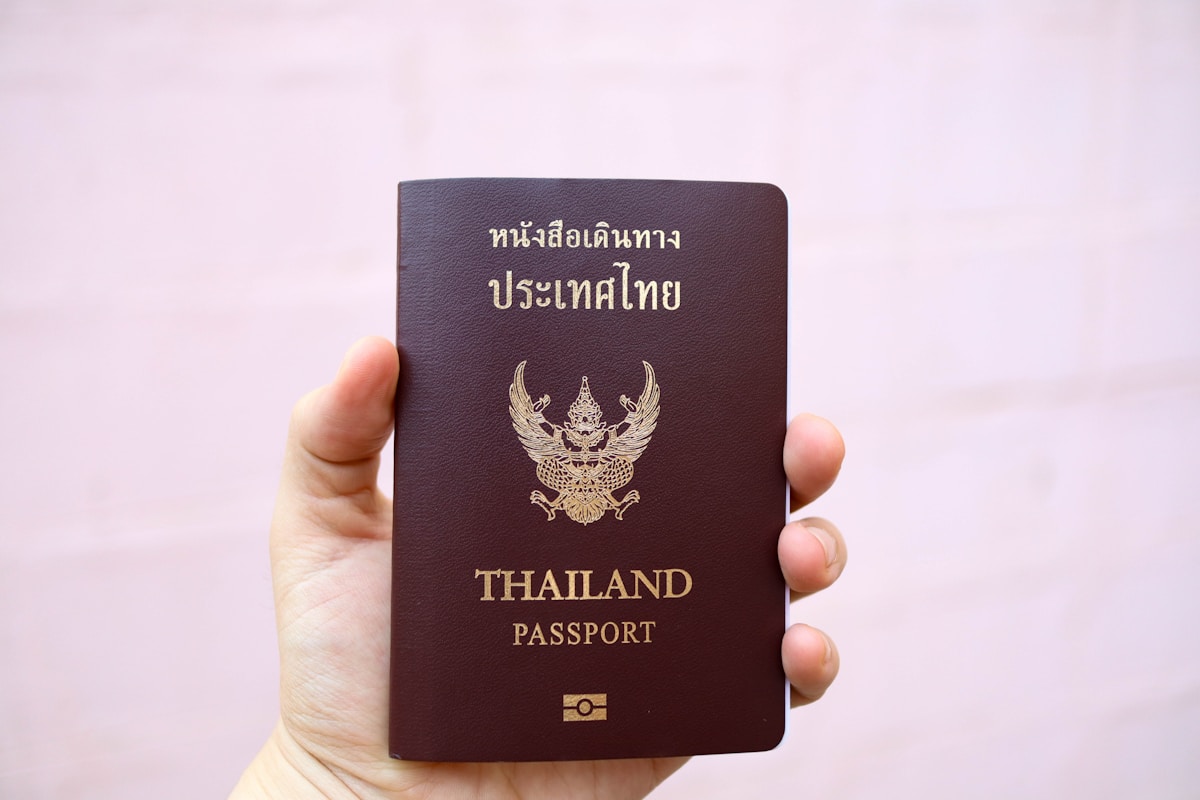
Thailand’s Cabinet approved a plan in May 2026 to reduce the visa-free stay from 60 days to 30 days for citizens of more than 59 countries — but as of August 26, 2026, that change has not yet come into force.
What the Approved Change Covers
The Cabinet decision would cap visa-free entries at 30 days for nationals of a large number of countries currently enjoying the 60-day allowance, including most European, North American, and major Asia-Pacific passport holders. The intent is to address concerns about long-stay visitors working without permits and to distinguish between short-stay tourists and those using repeated visa-free entries as a backdoor to extended residency.
Why 60 Days Still Applies Right Now
Under Thai law, a Cabinet resolution does not automatically change immigration rules. The amendment must be published in the Royal Gazette before it takes legal effect. As of this writing, that publication has not occurred. Travellers who land in Thailand before the Gazette publication date will receive a 60-day visa-free stamp under the current rules, regardless of when they booked or departed from their home country.
No official date for the Royal Gazette publication has been confirmed by Thai immigration authorities.
What Travellers Should Do
Check the official Thai Immigration Bureau website or your country’s embassy in Bangkok for the precise effective date before you travel. If you are planning a trip of more than 30 days and want certainty, consider applying for a tourist visa (TR) before departure, which grants 60 days and can typically be extended once in-country.
Our practical travel guide covers visa options for Thailand in detail, including tourist visas, the Thailand Privilege (Elite) visa, and Long-Term Resident visa for those planning an extended stay.
Bangkok and Beyond
Bangkok remains straightforward to enter for most nationalities under current rules. Tourists clearing immigration at Suvarnabhumi or Don Mueang airports receive a 60-day admission stamp; those arriving by land border crossing receive 30 days under the existing policy (a separate, pre-existing rule unrelated to the May Cabinet decision).
We will update this article the moment the Royal Gazette publishes the amendment with a confirmed effective date.