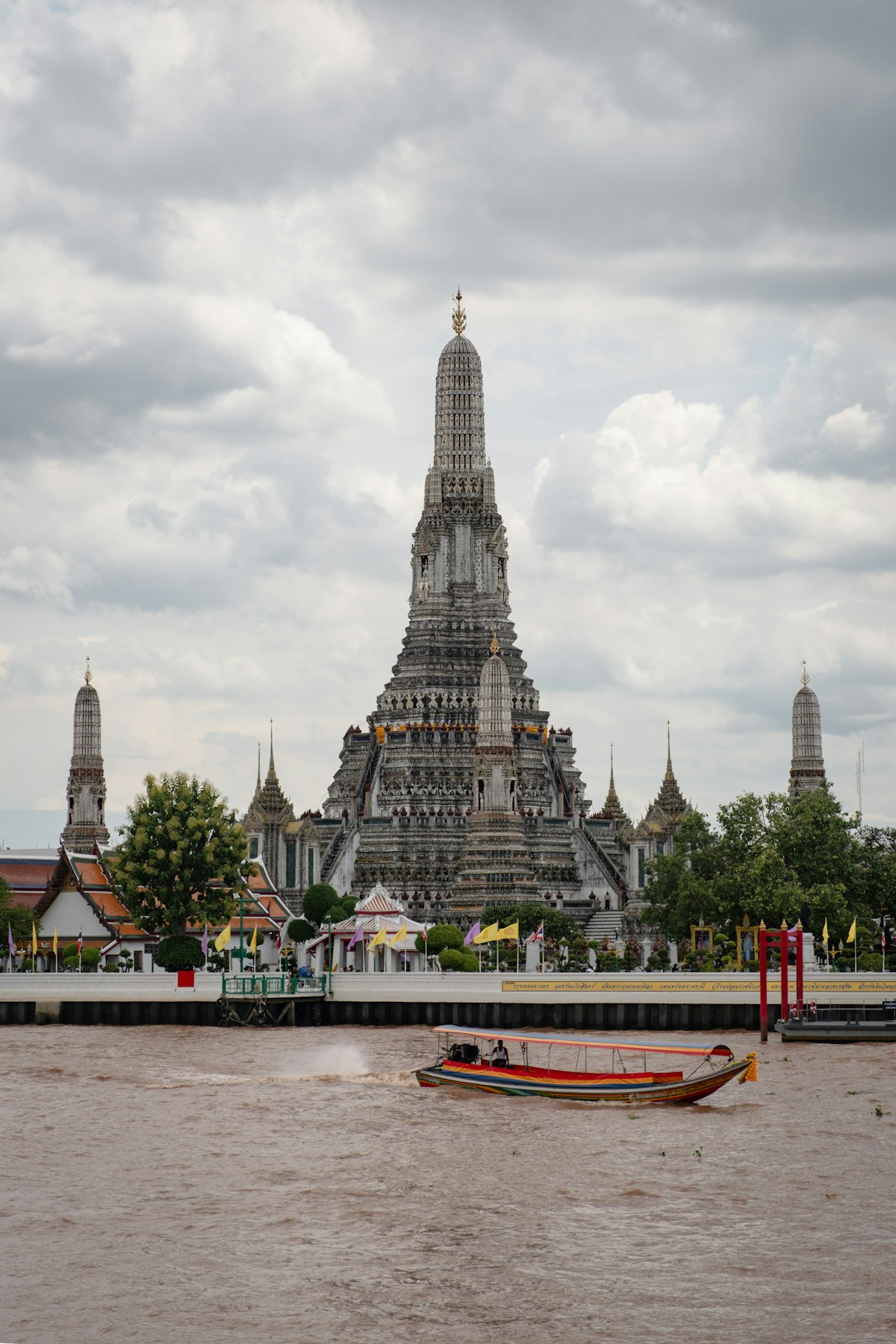
Thailand officially introduced a sweeping set of responsible tourism rules in May 2026, marking one of the most significant shifts in how the country manages foreign visitors in years. The measures, released on 7 May 2026, are designed to move the country away from volume-based growth and toward what the government calls quality tourism.
What the New Rules Cover
Zero-tolerance conduct policy. Foreign visitors face strict enforcement of public behaviour standards. Acts of public indecency, disrespect toward Buddhist sites, temples, and religious figures, and any behaviour deemed culturally offensive are now subject to immediate fines, deportation, and potential entry bans. Immigration authorities have deployed expanded digital surveillance at key tourist hubs - including Bangkok’s Grand Palace area, Phuket’s Patong district, and Chiang Mai’s old city - to enforce compliance.
Mandatory environmental fees. Visitors to designated high-footfall natural and heritage sites will pay mandatory environmental protection fees. Exact amounts vary by site and are expected to be announced through the Tourism Authority of Thailand (TAT) in the coming weeks.
Digital tracking at entry points. Biometric and digital monitoring at major airports and border crossings has been upgraded, forming part of a broader effort to identify and deny entry to individuals flagged for prior violations.
What This Means for Your Visit
For the vast majority of respectful visitors, these rules change very little on the ground. Thailand has always required modest dress at temples and prohibited photography in restricted areas - these rules simply formalise and enforce existing expectations.
What is new is the enforcement mechanism. Border officials now have clearer grounds to deny entry or cut short a stay for conduct-related reasons. We recommend:
- Dress appropriately at all religious and heritage sites. Shoulders and knees covered is the minimum standard at temples. Many sites provide wraps if you need them.
- Research site-specific fees before visiting natural parks and heritage sites, as environmental levies may apply on arrival.
- Respect local customs at markets, festivals, and community spaces - photographing monks or ceremonies without permission is strongly discouraged.
The Bigger Context
These rules arrive alongside a reported drop in European visitor numbers (down 16% year-on-year) and a sharp decline in Middle Eastern arrivals, while Chinese and Indian tourism has surged. The government appears to be recalibrating the visitor profile it seeks to attract, prioritising longer-stay, higher-spending travellers.
Thailand remains one of the world’s most welcoming destinations, and the new framework should be seen as a tightening of existing expectations rather than a hostile shift in policy.
For an overview of what to expect throughout your stay, our Bangkok city guide and Chiang Mai guide cover cultural etiquette in detail. Our practical budget guide will help you plan for any new site fees that come into effect. For curated tours and activities across Thailand, browse our partner listings for guided cultural and nature experiences.