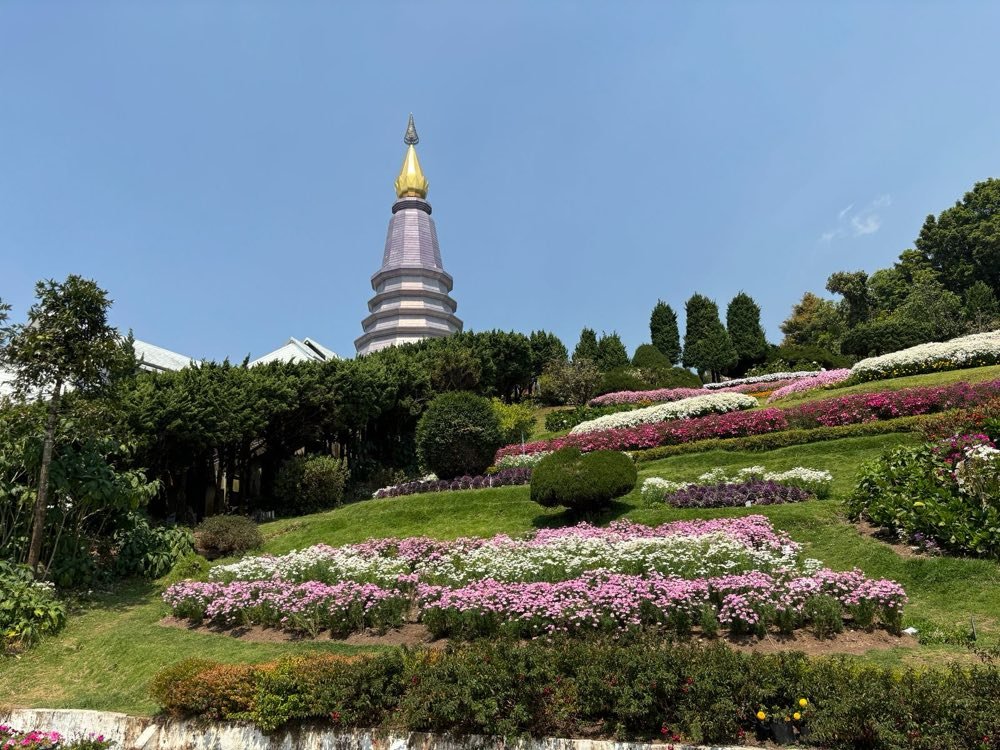
Chiang Mai has one of the most sharply defined seasonal cycles of any city in Southeast Asia. Cool and clear from November to February, unbearably smoky in March and April, green and trekking-friendly in the rainy season, and spectacular during the Yi Peng lantern release in November. Getting the timing right matters more here than in most Thai cities.
Quick Summary
| Season | Months | Temps (°C) | Crowds | Budget |
|---|---|---|---|---|
| Cool season | Nov–Feb | 15–30 | ★★★★★ | High |
| Burning season | Mar–Apr | 28–38 | ★★ | Mid |
| Rainy season | May–Oct | 22–33 | ★★★ | Low |
Month-by-Month Breakdown
November - Peak season starts. Yi Peng lantern festival (full moon, typically early-to-mid November) is Chiang Mai’s most famous event. Cool evenings (15–18°C), clear skies, excellent hiking and cycling. Crowds: 4/5.
December - Coolest month: nights drop to 12–15°C, days 25–28°C. Excellent trekking conditions in Doi Inthanon and surrounding national parks. Popular with long-stay digital nomads. Crowds: 4/5.
January - Cool and beautiful (14–28°C). Chiang Mai Flower Festival (first weekend of February approaches). Excellent conditions for all outdoor activities. High-season pricing. Crowds: 4/5.
February - Flower Festival (first weekend) is excellent. Still cool (16–30°C). Burning season risk increases from late February in some years. Crowds: 3/5.
March - Air quality begins to deteriorate significantly as burning season intensifies. Skies haze over; AQI can spike above 150–250. NOT recommended for people with asthma or respiratory conditions. Temperatures 26–36°C. Crowds: 2/5.
April - Worst month for air quality - AQI regularly above 200, sometimes above 300 in severe years. Songkran water festival (April 13–15) brings large crowds and can be fun but the background smoke makes it uncomfortable. We recommend avoiding Chiang Mai in April unless specifically there for Songkran. Crowds: 3/5 (Songkran week only).
May - Rains begin, clearing the smoke quickly. Air quality improves dramatically. Green season begins. Temperatures 24–34°C. Crowds drop sharply; prices follow. Crowds: 2/5.
June - Rainy season in full effect. Lush jungle, waterfalls at their best. Some northern trekking routes are muddy. 22–32°C. Good value. Crowds: 2/5.
July - Similar to June. Doi Inthanon’s waterfalls are spectacular. Night market visits and cooking classes run year-round; unaffected by rain. Crowds: 2/5.
August - Heaviest rainfall month. River levels can rise significantly; some Mae Wang and Chiang Dao activities pause. Indoor food experiences and cooking schools excellent value. Crowds: 2/5.
September - Rains ease slightly through the month. 22–32°C. End of heaviest monsoon. Crowds: 2/5.
October - Rainy season ending. Forests green and lush; waterfalls still impressive. Temperatures 22–32°C. Ok Phansa temple boat processions in mid-October are atmospheric. Crowds: 2/5.
Festivals and Events Calendar
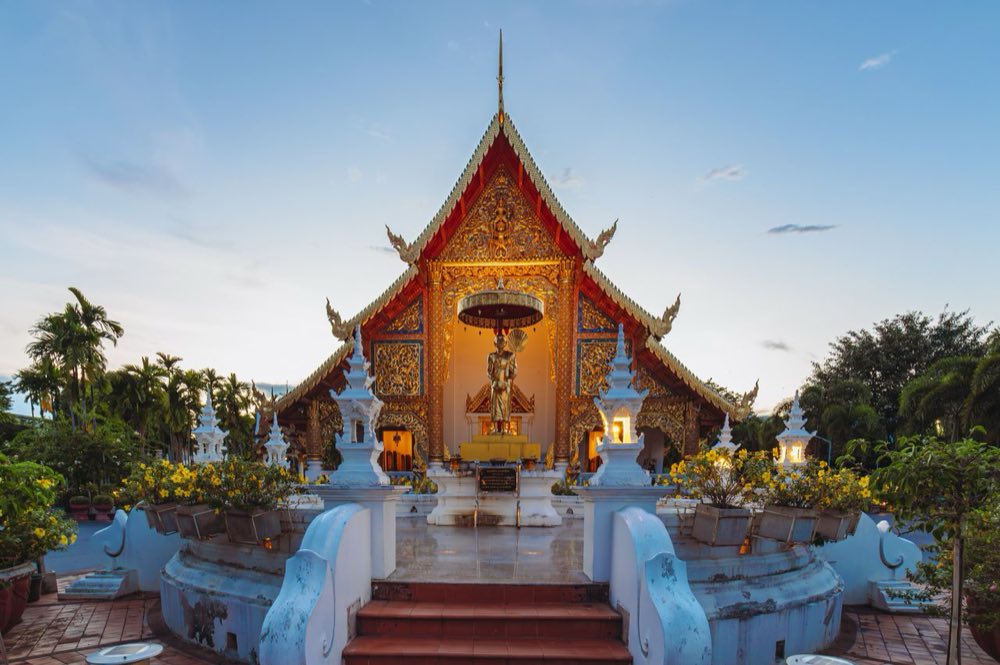 Wat Phra Singh in Chiang Mai, one of the old city’s most visited temples.
- First weekend February - Chiang Mai Flower Festival (Nong Buak Hard Park)
- April 13–15 - Songkran water festival (strongly localised in Old City moat area)
- November (full moon) - Yi Peng lantern festival; Loi Krathong on the moat
- December - Cool season hiking, Doi Inthanon national park at its best
Budget Tips by Season
Cheapest: May–October (rainy/green season). Guesthouses and hotels that charge ฿800–1,500 per night in cool season often drop to ฿400–800. Trekking operators offer better rates and smaller groups.
Best value: October and early November - rain clears, weather improves, Yi Peng approaches, but prices have not yet fully peaked. The week before Yi Peng is excellent value.
Most expensive: Yi Peng/Loi Krathong week (November) and Christmas–New Year. Book accommodation 4–8 weeks ahead for Yi Peng.
Air quality note: If visiting March–April, check the AQI forecast at iqair.com before departing. A good-quality N95 mask is essential if you are visiting during any part of burning season.
Plan your trip: Once you have picked your season, book Chiang Mai hotels early for peak months, and compare our Chiang Mai hotel guide for the best areas to stay. Reserve Chiang Mai tours and activities ahead for the busiest weeks, and cancel-flexible options help if the weather shifts.
Verdict
Chiang Mai’s ideal window is November through early February - cool, clear, excellent for temples, trekking, cycling, and food markets. Yi Peng in November is worth specifically planning around: the combination of golden lanterns rising over the Old City moat on a clear November night is one of the most beautiful sights in Thailand. Avoid March and April unless you are specifically visiting for Songkran and are comfortable with potentially very poor air quality. The rainy season is genuinely good for trekking if you can accept afternoon showers.