Top Mae Hong Son Tours at a Glance
| Tour | Duration | Price (from) | Group Size | Highlights |
|---|---|---|---|---|
| Mae Hong Son Trekking & Hill Tribe Village (2 Days) | 2 days | from $95 | Small group | Karen and Shan villages, overnight with local family |
| Mae Hong Son Loop Day Tour | Full day | from $45 | Small group | Wat Doi Kong Mu, Pang Ung lake, border market |
| Mae Hong Son Elephant Sanctuary Visit | Half day | from $35 | Small group | No riding ethical sanctuary, feeding and bathing |
Browse all Mae Hong Son tours → GetYourGuide
See our full Mae Hong Son guide for how to get here - by flight from Chiang Mai or the scenic Mae Hong Son Loop road. Mae Hong Son is a highlight of any week in northern Thailand.
Wat Jong Kham and Wat Jong Klang
The defining image of Mae Hong Son. Two Shan-style temples sit on the edge of Jong Kham Lake in the town centre - white stupas reflected in still water, surrounded by mountains. The lake is small enough to walk around in 20 minutes.
Wat Jong Klang contains a museum of Burmese wooden figures (150+ carved statues depicting the life of the Buddha) and glass paintings - some of the finest Burmese Buddhist art in Thailand. Free entry to the temple; small donation for the museum.
Wat Jong Kham next door is an active temple with a chedi of Burmese proportions. The best time to visit is dawn (6–7am) when mist sits over the lake and monks cross in longboats.
Wat Phra That Doi Kong Mu
The hilltop temple visible from anywhere in the valley - two white chedis on a 300m peak above the town. A 10-minute drive or a steep 20-minute climb from the road. The view from the top: the entire Mae Hong Son valley, the town below, and forested ridges extending to the Myanmar border. Particularly good at dawn.
Trekking to hill tribe villages
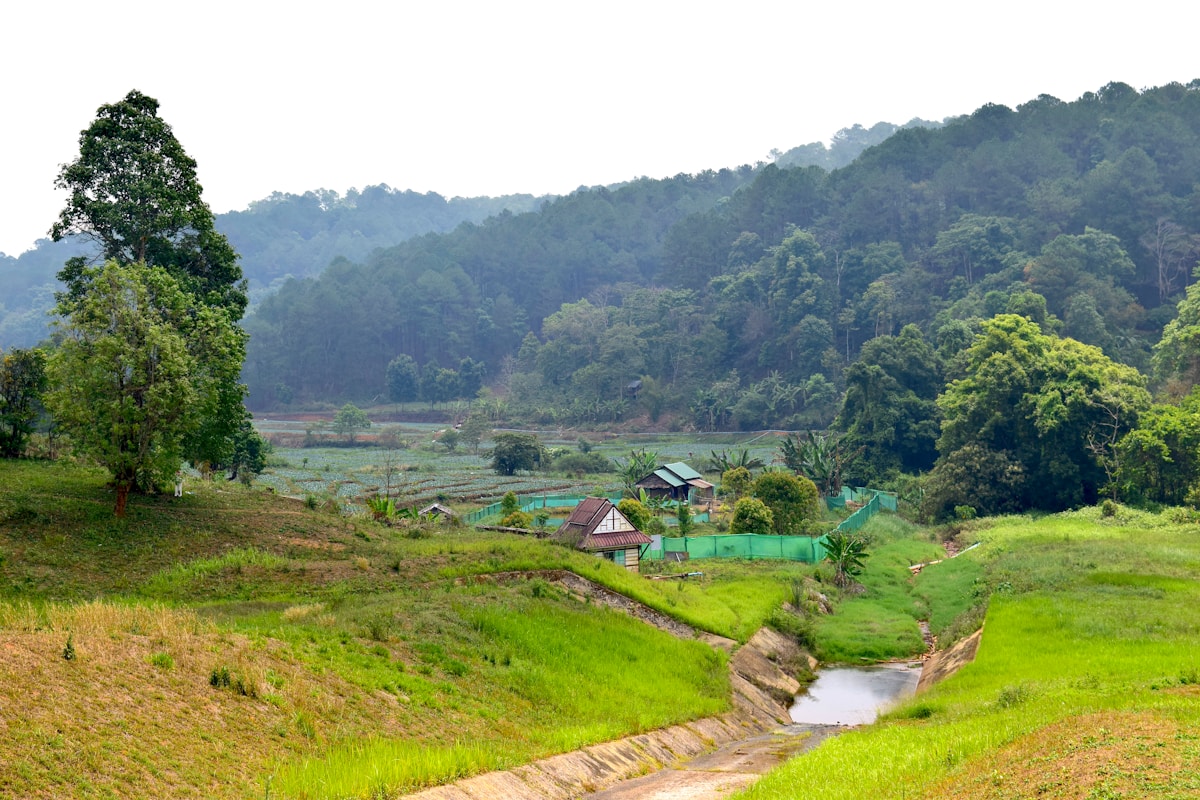
Mae Hong Son is the best base in Thailand for genuine hill tribe trekking - the surrounding mountains have Karen, Kayah, Shan, and Lahu villages accessible only on foot. Several operators in the town run 2–3 day treks with overnight stays in villages.
Key considerations:
- 2-day treks: ฿2,500–3,500 per person including guide, accommodation, and food. Typically visit one or two Karen villages with an overnight in a village guesthouse or community house. You can also browse Mae Hong Son trekking and hill tribe tours to compare operators before arriving.
- 3-day treks: ฿3,500–5,000. Deeper into the hills, more varied terrain, possible elephant encounter (riding-free sanctuaries only - confirm before booking).
- Guides: Essential for navigation and translation. The best guides speak Karen or Shan. Ask operators about their community relationships before booking.
The trekking villages around Mae Hong Son are less commercialised than those accessible from Chiang Mai - more genuine visits, fewer photo-opportunity setups.
Pang Tong Royal Project
20km south of Mae Hong Son. A royal agricultural development project set up by King Bhumibol to demonstrate sustainable highland farming to hill tribe communities. A pleasant garden and farm complex with mountain views. Free entry. Best combined with the drive south toward Mae Sariang.
Ban Rak Thai (Chinese Yunnan village)
42km north of Mae Hong Son near the Myanmar border. A village settled by KMT Chinese Nationalist soldiers who retreated into the Shan Hills after 1949. The village retains a Yunnan Chinese character - Mandarin is spoken, the food is Yunnan-style (yunnan noodles, Chinese tea), and the setting on a lake with mountain backdrop is striking.
Tea plantation tours available from the village (฿200 including tasting). The drive north passes through hill tribe areas and crosses mountain terrain - a scooter or hired car is required.
Su Tong Pae Bamboo Bridge
12km outside Mae Hong Son toward Khun Yuam. A 500-metre bamboo footbridge over rice paddies and fields, built and maintained by the local Buddhist community as a shortcut between a village and a temple. Photographically excellent in the dry season (November–February) when the fields are golden.
Fish Cave (Tham Pla)
18km north of the town. A cave with a pool inside containing sacred fish (a species of large carp) that cannot be touched or caught - fed by local people and protected by religious convention. The fish are visible from the entrance - large, close to the surface, unbothered by visitors. Small forestry park surrounds the cave with short walks. Entry: ฿200.
The northern Mae Hong Son Loop passes through Pai - 3 hours south by the mountain road, with waterfalls, hot springs, and a relaxed valley atmosphere worth a 2–3 night stay.
Practical notes
- Best season: November to February - cool and clear, mist in the valley at dawn. March–May is hot and smoky (agricultural burning season). June–October is green but some roads flood.
- Transport in town: Songthaews, motorcycle taxis. Hire a scooter (฿200/day) for the fish cave, Ban Rak Thai, and Pang Tong - all require your own transport.
- Accommodation: A handful of mid-range guesthouses and small hotels. Fern Resort (10km out of town) is the most attractive property in the area.
- Money: One or two ATMs in town. Carry cash - card acceptance is limited outside the main hotels.
For guided tours in the Mae Hong Son area, browse Mae Hong Son tours and activities. For places to stay, see our Mae Hong Son hotels guide.