Mae Hong Son Travel Guide: Mountain Loop and Border Town
Mae Hong Son travel guide: the Loop road, remote hill tribe villages, Pai Canyon, and trekking in the Salween River valley near Myanmar.
Guides for Mae Hong Son
Mae Hong Son at a glance
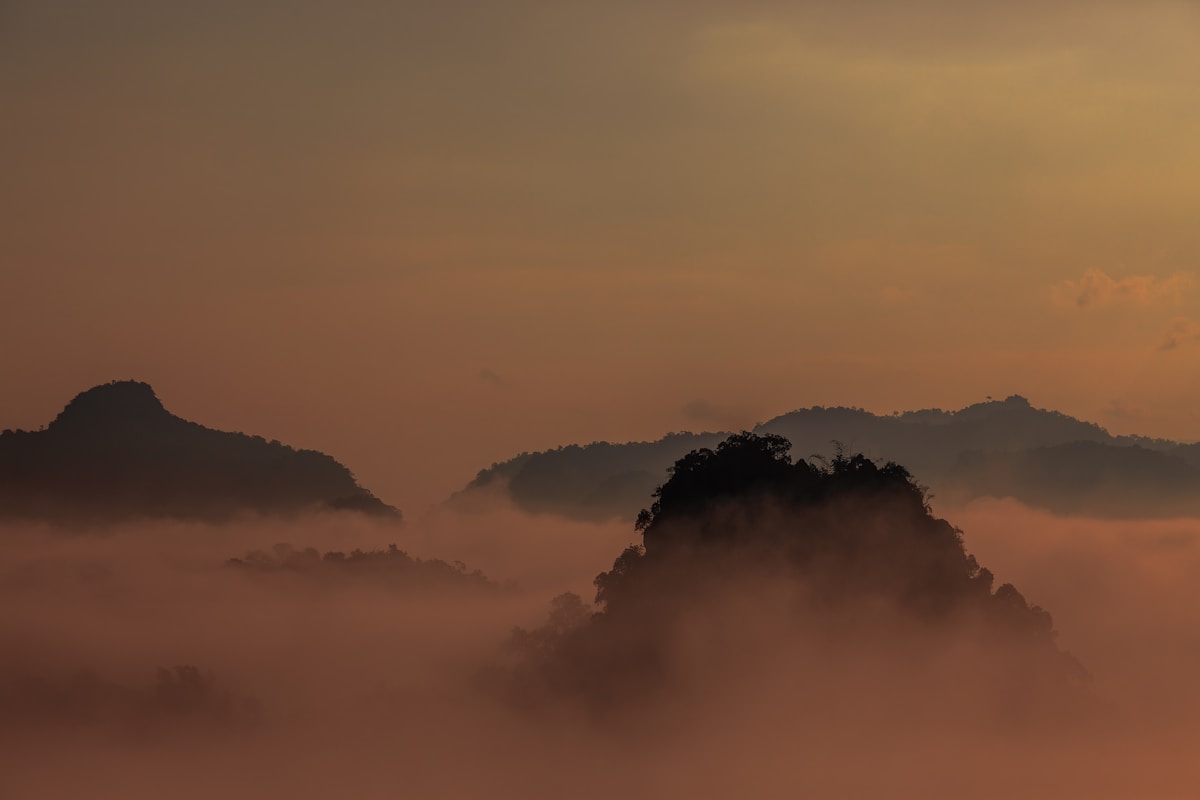
Mae Hong Son is Thailand’s westernmost provincial capital, sitting in a narrow valley near the Myanmar border at 800m elevation. The town has a population of only 10,000 - one of Thailand’s smallest provincial capitals - and retains a distinct atmosphere shaped by its Shan (Tai Yai) population and location on the edge of the accessible Thai world. Mornings are often foggy, the temples reflect Burmese-influenced Shan architecture, and the pace of life is noticeably slower than even Chiang Mai.
The town
Wat Jong Kham and Wat Jong Klang - Two temples on the edge of the Jong Kham Lake. The lake with its temple reflection is one of the most photographed scenes in northern Thailand. Wat Jong Klang contains a Burmese wooden shrine with glass paintings depicting Jataka tales (stories from the Buddha’s past lives). Early morning fog over the lake makes this particularly atmospheric.
Morning market (Talat Chao) - From 6am, the market next to Jong Kham lake has Shan food vendors selling khao tom (rice porridge), Shan-style noodle soup, and fresh produce. The most local experience in the town.
Phu Suea Waterfall (Tiger Falls) - 26km north. A three-tiered waterfall with a natural pool. The road passes through hill tribe villages. Best in the rainy season when the falls are full.
Day trips and trekking
Tham Pla (Fish Cave) - 16km north. A cave on a river populated by large semi-sacred freshwater fish (Tor tambroides). A walk through forested national park grounds leads to the cave entrance where fish gather near the submerged opening. Calm and atmospheric.
Mae Aw (Ban Rak Thai) - 45km north on the Myanmar border. A village established by Kuomintang soldiers who fled China in 1949, still inhabited by their descendants. The village has a distinct Chinese hill town character - tea plantations, Yunnan-style food, and a small reservoir with mountain views. A worthwhile day trip by rented motorbike or taxi.
Village trekking - Mae Hong Son province has the highest concentration of ethnic minority villages in Thailand. Shan, Karen, Kayah, and Lisu communities live in the surrounding valleys. Responsible treks with community-based guides are available through guesthouses in town (฿800–1,500 per day including guide and lunch). You can also browse trekking and village tour experiences in Mae Hong Son to find options that include village visits with responsible community operators.
See our full Mae Hong Son accommodation guide for hotel picks across every budget.
Where to eat
Eating: The morning market (Talat Chao) is the best food experience in town - Shan noodle soup with pork from approximately ฿30, khao tom (rice porridge) from ฿25. For dinner, Lucky Restaurant on the main road serves reliable Thai and Shan dishes (mains ฿60–120). The lakeside restaurants near Wat Jong Kham serve Thai food with views, though prices are slightly higher (mains ฿80–150).
The Mae Hong Son Loop
Mae Hong Son is the midpoint and destination of the loop from Chiang Mai. The standard northern route comes through Pai (110km from Mae Hong Son); the southern route goes through Mae Sariang. Completing the full loop (returning to Chiang Mai via the other route) is a 2–5 day motorcycle or car trip depending on stops. Motorbike hire in Chiang Mai for the loop runs approximately ฿200–300/day for an automatic scooter or ฿500–800/day for a semi-automatic or manual bike.
Practical information
Getting there - Flights from Chiang Mai (35 minutes, ฿2,000–4,000). Drive via Pai from Chiang Mai: 5–6 hours, 270km. Minivan from Chiang Mai via Pai: runs daily (฿200–250, 4–5 hours).
Getting around - The town itself is walkable in 30 minutes. For day trips to Tham Pla, Mae Aw, and Phu Suea Waterfall, rent a motorbike (approximately ฿150–250/day from guesthouses) or arrange transport through your accommodation.
Best time - November to February (dry season, cooler temperature at altitude, morning fog for the lake reflection). The smoky season (March–April) is worth avoiding - air quality in the valley deteriorates. The Jong Para Festival (held in late October or early November) features floating candle-lit boats on the lake and is worth timing a visit around.
Book your Mae Hong Son trip: Hotels in Mae Hong Son · eSIM for Thailand
See also: Things to do in Mae Hong Son · Pai travel guide · Chiang Mai travel guide · One week in northern Thailand · Getting around Thailand · Best tours in Thailand
Upcoming Events in Mae Hong Son
- Wonderfruit Festival
Wonderfruit 2026: 17-21 December near Pattaya. Arts, music, and sustainability festival with international artists, food markets, and wellness activities.
Book an experience
Top experiences in Mae Hong Son
Explore the best tours and activities in Mae Hong Son , with instant confirmation and free cancellation on most bookings.