Pattaya Travel Guide: What to Know Before You Go
Pattaya has more than its reputation suggests: Coral Island snorkelling, the Sanctuary of Truth, and easy day trips, 2 hours by bus from Bangkok.
Guides for Pattaya
What Pattaya actually is
Pattaya is Thailand’s third most-visited city - a 24-hour beach resort built around mass tourism, nightlife, and international infrastructure. It sits 147km southeast of Bangkok on the eastern Gulf coast and draws a mix of short-break visitors from Bangkok, long-stay expats, Russian and Eastern European tourists, and business visitors connected to the Eastern Economic Corridor industrial zone nearby.
The city does not have the cultural depth of Bangkok or Chiang Mai, the natural beauty of Krabi, or the island atmosphere of Koh Samui. What it has is 24-hour infrastructure, a wide range of accommodation at every price point, and a beach-city experience that makes no attempt to be anything other than what it is.
Beaches
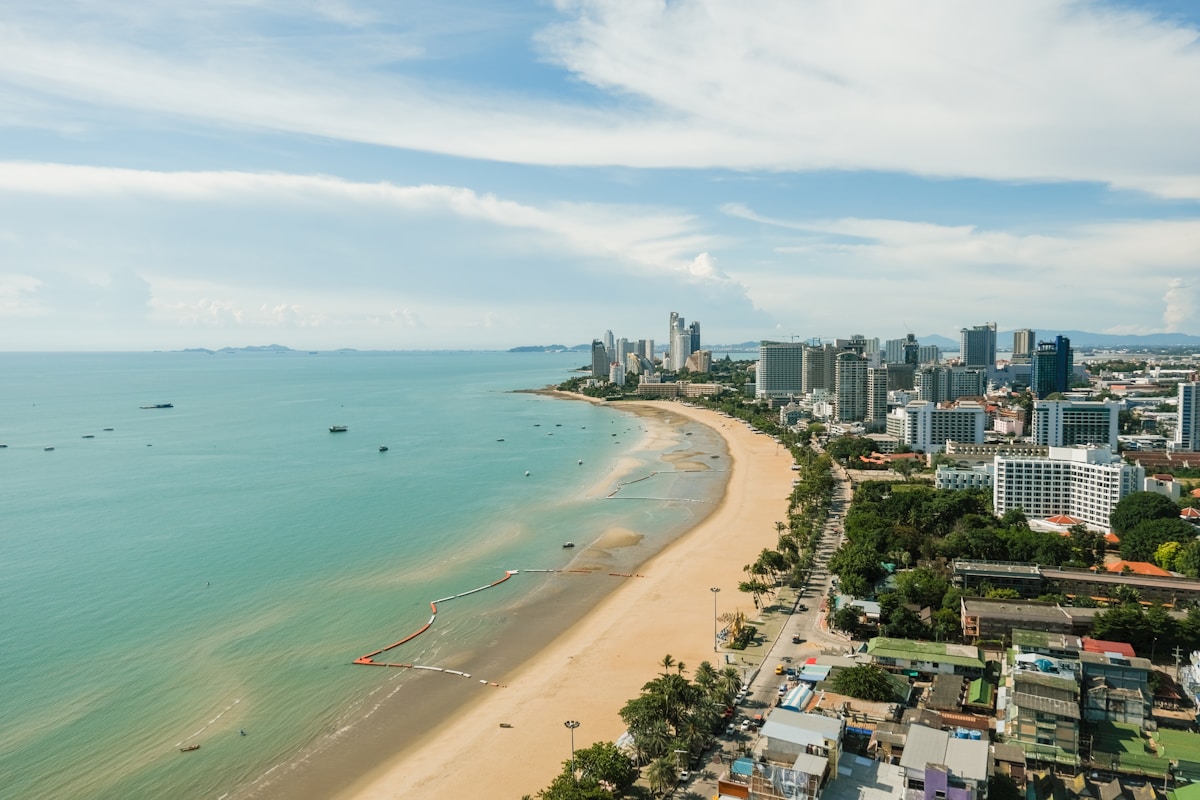
Pattaya Beach - The main 4km beach in the city centre is functional but not beautiful. The water is murky, the beach is developed to the edge of the sand, and the seafront road is busy. Beach chairs and umbrellas are widely available (฿100–200/set). Adequate for a morning swim but not a primary reason to visit.
Jomtien Beach - 5km south of the city centre, accessible by baht bus (฿10). Quieter than Pattaya Beach, marginally cleaner water, and a more relaxed atmosphere. Better for a genuine beach day without the Pattaya Beach energy.
Koh Larn - The main reason to visit for beach lovers. A small island 7.5km offshore with several good beaches - Tawaen, Samae, Nual, and the quieter Tien and Sang Van. Ferries from Bali Hai Pier: ฿30, 45 minutes. Speedboat charter: ฿2,000–3,000. Tawaen Beach is the most popular and most developed; for a quieter experience, pay the extra ฿50 songthaew to reach Samae or Nual.
Sanctuary of Truth
The most significant sight in Pattaya and one of the most impressive buildings in Thailand. A massive all-wood temple complex under continuous construction since 1981, designed by Lek Viriyaphan (the same visionary behind the Ancient City in Bangkok). The structure stands 105 metres tall and every surface - internal and external - is covered in intricate hand-carved wooden figures from Hindu and Buddhist mythology.
No nails are used anywhere in the construction. Craftsmen continue carving and replacing weathered sections continuously, making it simultaneously a finished monument and an ongoing work. The philosophy behind the design is the synthesis of Cambodian, Thai, Chinese, and Indian religious art.
Entry: ฿500. Open 8am–6pm. Elephant rides and shows at the compound are optional and avoidable - the building itself is the reason to come.
See also: things to do in Pattaya for a full activities guide. You can browse Pattaya tours and experiences - including Sanctuary of Truth tickets, Koh Larn island trips, and diving - to book in advance. · Best tours in Thailand
Getting around
Baht buses (songthaews) run fixed routes along the main beach road and connecting streets for ฿10 per ride - flag one down and tell the driver where you’re going before boarding. Grab works throughout the city. Motorbike taxis for short hops: ฿30–60.
Practical notes
- Base or day trip: Pattaya works as a 2-night base for the Sanctuary of Truth, Koh Larn, and the Floating Market. A day trip from Bangkok is also viable (leave at 7am, return by 8pm).
- Accommodation: Every price point is represented. The beach road strip has large resort hotels (฿2,000–8,000/night); the sois behind have budget guesthouses and mid-range options (฿600–2,000/night).
- Safety: Pattaya has a reputation that exceeds its actual risk for standard tourist behaviour. Normal urban caution applies. Walking Street (the main nightlife strip) is loud and chaotic but broadly safe for visitors who keep their wits.
- Best area to stay: North Pattaya or Jomtien for quieter options; central Pattaya Beach Road for proximity to everything.
See our full Pattaya accommodation guide for hotel picks across every budget.
Where to eat in Pattaya
The food scene in Pattaya is broader and better than the city’s reputation suggests, covering everything from long-established seafood restaurants to authentic local street food.
Nang Nual on South Pattaya Road is the most established seafood restaurant in the city - an open-air terrace built over the water serving whole grilled fish, tiger prawns, crab, and shellfish priced by weight. Portions are large and the setting makes it particularly good for an evening meal. Budget approximately ฿350–800 per person depending on which seafood and how much you order.
PIC Kitchen on Pattaya Soi 5 operates out of a traditional Thai house with an outdoor garden area. The menu focuses on authentic Thai curries, rice dishes, and regional specialities that are harder to find in the tourist-facing restaurants along the beach road. Prices are accessible - approximately ฿200–400 per person - and the setting is considerably more relaxed than the seafront strip.
Mantra Restaurant on Pattaya Beach Road takes a different approach: an upscale international menu in an elaborate theatrical setting designed to make an impression. The kitchen covers Japanese, Indian, Mediterranean, and Thai cooking across different stations, making it the best option for groups with varied tastes. Budget approximately ฿600–1,200 per person; book ahead on weekends when tables fill.
For the most local experience, the Thepprasit Night Market (Friday–Sunday evenings) is the place. The market runs on Thepprasit Road and is primarily visited by Pattaya’s Thai and expat population rather than tourists. Grilled meats, pad thai, larb, fresh seafood sold by weight, and local desserts sit alongside clothing stalls and household goods. Prices are ฿60–150 per dish - the cheapest eating in the city.
Book your Pattaya trip: Hotels in Pattaya · eSIM for Thailand
See also: Things to do in Pattaya · Pattaya vs Phuket · Bangkok travel guide · Koh Samet travel guide · Getting around Thailand · 1 week Thailand itinerary
Upcoming Events in Pattaya
- Wonderfruit Festival
Wonderfruit 2026: 17-21 December near Pattaya. Arts, music, and sustainability festival with international artists, food markets, and wellness activities.
Book an experience
Top experiences in Pattaya
Explore the best tours and activities in Pattaya , with instant confirmation and free cancellation on most bookings.