Top Pai Tours at a Glance
| Tour | Duration | Price (from) | Group Size | Highlights |
|---|---|---|---|---|
| Pai Highlights Day Tour: Waterfall, Hot Springs & Viewpoint | Full day | from $28 | Small group | Pam Bok waterfall, Tham Pla cave, Pai Canyon, hot springs |
| Pai Night Market & Street Food Walking Tour | 3 hrs | from $18 | Small group | Walking Street, 5+ tastings, local vendors |
| Pai Valley Motorbike Scooter Guided Tour | Half day | from $25 | Small group | Scenic loop, viewpoints, rice paddies, local stops |
| From Chiang Mai: Pai Day Trip by Bus | Full day | from $38 | Group | Return transport, Pai Canyon, hot springs, market stop |
Browse all Pai tours → GetYourGuide
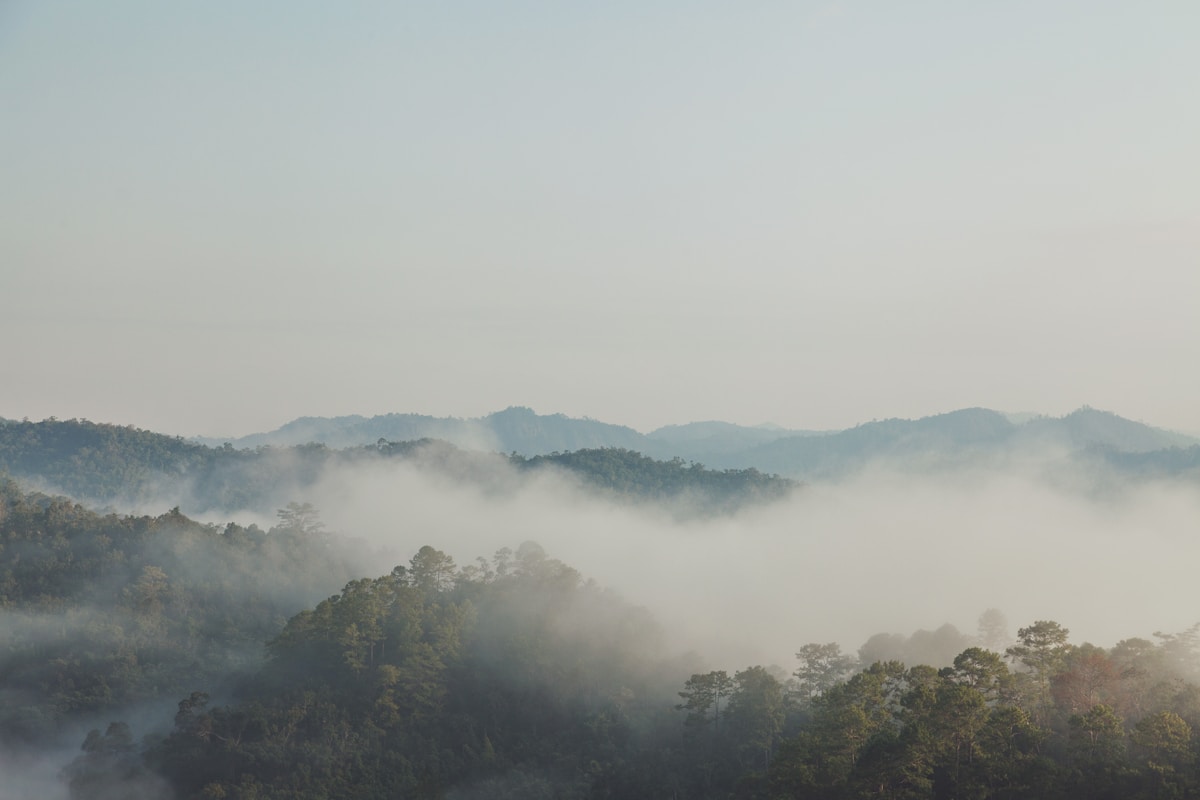
Pai sits in a mountain valley 130km northwest of Chiang Mai, connected to the outside world by a 762-curve mountain road. The town is small — the main street covers about 300 metres — but the surrounding valley holds enough to fill two or three days: a river canyon with vertiginous ridges, natural hot springs, a waterfall with swimming pools, a Chinese hilltribe village, and forested hills that invite longer exploration. The overall pace is slow and that is the point.
See our full Pai guide for where to stay, getting here from Chiang Mai, and what to expect from the mountain town.
Pai Canyon (Kong Lan)
8km south of Pai town. A narrow sandstone ridge with steep drops on both sides, offering one of the most dramatic viewpoints in northern Thailand - the Pai valley spreading below with forested hillsides to the horizon. The ridge path requires some care (the drop is real and there are no guardrails) but is manageable in dry conditions. At sunset, the canyon fills with visitors watching the sky change over the mountains.
Access: free. Scooter from town takes 15 minutes. Arrive 30–45 minutes before sunset for the best light and to find a good position on the ridge.
Mor Paeng Waterfall
8km north of town. A wide multi-tiered waterfall with a swimmable pool at the base. The surrounding area is in a national park with short walking trails through the forest. The waterfall is fullest June–November; by February–March it reduces significantly. Entry: ฿50.
Getting there: turn left off the main road onto the unpaved track (signed). A scooter makes the approach easier - the road has some rough sections.
Tha Pai Hot Springs
7km southeast of Pai. Natural hot springs in a national park setting, with the creek mixing hot and cold water to a natural bathing temperature at some points. The pools closest to the source are too hot to enter (70°C+) - follow the creek downstream for the bathing areas. Entry: ฿200.
The springs have been developed with a small cafe and walkways. Arrive early (before 9am) to avoid tour groups from Chiang Mai.
Santichon Village
6km northwest. A community of Yunnan Chinese (KMT-descendant families) who settled in northern Thailand after 1949. The village is marketed as a cultural tourism destination - there’s a small entrance fee, costume hire for photos, and a market selling Yunnan tea. The commercial framing is obvious, but the stone tea houses and the mountain setting are genuinely attractive. Tea tasting is the worthwhile part of the visit.
Walking Pai town
The main street (Chaisongkhram Road) and the surrounding sois have a dense collection of cafes, bars, restaurants, and guesthouses in wooden shophouses and bamboo structures. The Walking Street market (evening, runs along the main road) is the social centre of Pai - food stalls, live music, and local crafts from 6pm.
Pai Memorial Bridge - A short bamboo bridge over the Pai River, 3km from town (reached by the riverside path or scooter). Quiet and picturesque in the morning.
Wat Phra That Mae Yen - On a hill above the east end of town, reached by 353 steps. Views over the valley. Active temple - arrive appropriately dressed.
Pai connects north into a one-week north Thailand itinerary via the Mae Hong Son Loop - one of the great road trips in the country. Browse Pai tours and day trips to add guided excursions to the canyon, hot springs, or further into the hills.
Pai Night Market (Walking Street)
Pai’s Walking Street market runs along the main road (Chaisongkhram Road) every evening from about 6pm until 10pm — essentially a nightly event, not restricted to weekends. The market is the social centre of the town: food stalls, live busking, local crafts, and the kind of slow evening pace that defines Pai.
Food to look for: pad thai (฿60), grilled skewers (฿30–50 per stick), mango sticky rice in season (฿60), fresh fruit shakes (฿40–60), and sweet roti with banana (฿50). For a proper sit-down meal, several restaurants in the lanes off the main street serve Northern Thai food — khao soi is widely available from ฿70–90.
Getting Around Pai
Scooter rental is the standard. Multiple shops on Chaisongkhram Road rent 110cc Honda automatics for ฿150–200/day. A ฿1,000–2,000 cash deposit or passport copy is typically required. Fuel costs roughly ฿100 for a full tank — enough for a full day of valley exploration.
If you prefer not to ride: bicycle rental is available (฿80/day) and practical for Pai town itself, though the 8–10km distances to the hot springs and canyon make it slow going in heat. Tuk-tuks (the open-sided mountain variety) can be hired for ฿200–300 for a half-day circuit of the main sights.
Day Trips from Pai
Lod Cave (Tham Lot) — 70km northwest via the town of Soppong. Thailand’s largest river cave, where an underground river flows through chambers hung with stalactites. A guide is mandatory (included in the entry fee), and the route involves wading through sections of the river at some water levels. Entry: ฿150 for foreign visitors, guide included. Open 8am–5pm. One-way by scooter takes about 90 minutes on a winding mountain road; hire a driver or join a tour if you are not confident on the road.
Mae Hong Son — 3 hours south of Pai on the mountain road. A Shan-style border town with wooden temples, a morning mist lake, and hill tribe communities in the surrounding valleys. Worth an overnight rather than a day trip. The road connects into the Mae Hong Son Loop — a full circuit from Chiang Mai via Pai and Mae Hong Son that is one of northern Thailand’s great road trips.
Mae Surin Waterfall — 30km south of Mae Hong Son (so roughly 4 hours from Pai). Thailand’s highest single-drop waterfall at 80m. Best visited October to November when the falls are at full power. Most practical as part of an overnight Mae Hong Son trip rather than a Pai day trip.
Practical Notes
Entry fees as of 2026: Tha Pai Hot Springs ฿200, Mor Paeng Waterfall ฿50, Pai Canyon free, Santichon Village varies (฿30–50 for the cultural section). Lod Cave ฿150 including guide.
Weather: November to February is peak season — clear skies, cool nights (temperatures can drop to 8–12°C at night). March to May is dry and increasingly hot. June to October is rainy season — waterfalls are at their best, but afternoon rain is common and the mountain road to Chiang Mai can be hazardous after heavy rain.
Getting to Pai from Chiang Mai: minivans depart Chiang Mai’s Arcade Bus Terminal and from Pratu Chiang Mai minivan stand throughout the morning — ฿150–180 per person, journey 3–3.5 hours. The road is notorious for inducing motion sickness (762 curves); sit near the front and avoid eating a large meal immediately before. Bus is slower but more stable for sensitive passengers.
Browse Pai guided tours and day trips for organised excursions to the cave, the hot springs, and the hill tribe communities — useful if you want company or prefer not to navigate the valley roads independently.
For hotels and accommodation in Pai, see our Pai hotels guide.