Lopburi Travel Guide: Monkeys, Khmer Ruins, and Sunflowers
Lopburi travel guide: Prang Sam Yot monkey temple, Phrang Khaek Khmer ruins, sunflower season, and how to visit from Bangkok by train or bus.
Guides for Lopburi
Lopburi at a glance
Lopburi is a small city 155km north of Bangkok that has been continuously inhabited for at least 2,000 years - it served as a major Khmer provincial centre, then as an Ayutthaya-era capital under King Narai, and is now a modest provincial town with an outsized historical footprint. Its most unusual feature is an enormous population of long-tailed macaques that have colonised the old city’s ruins and streets.
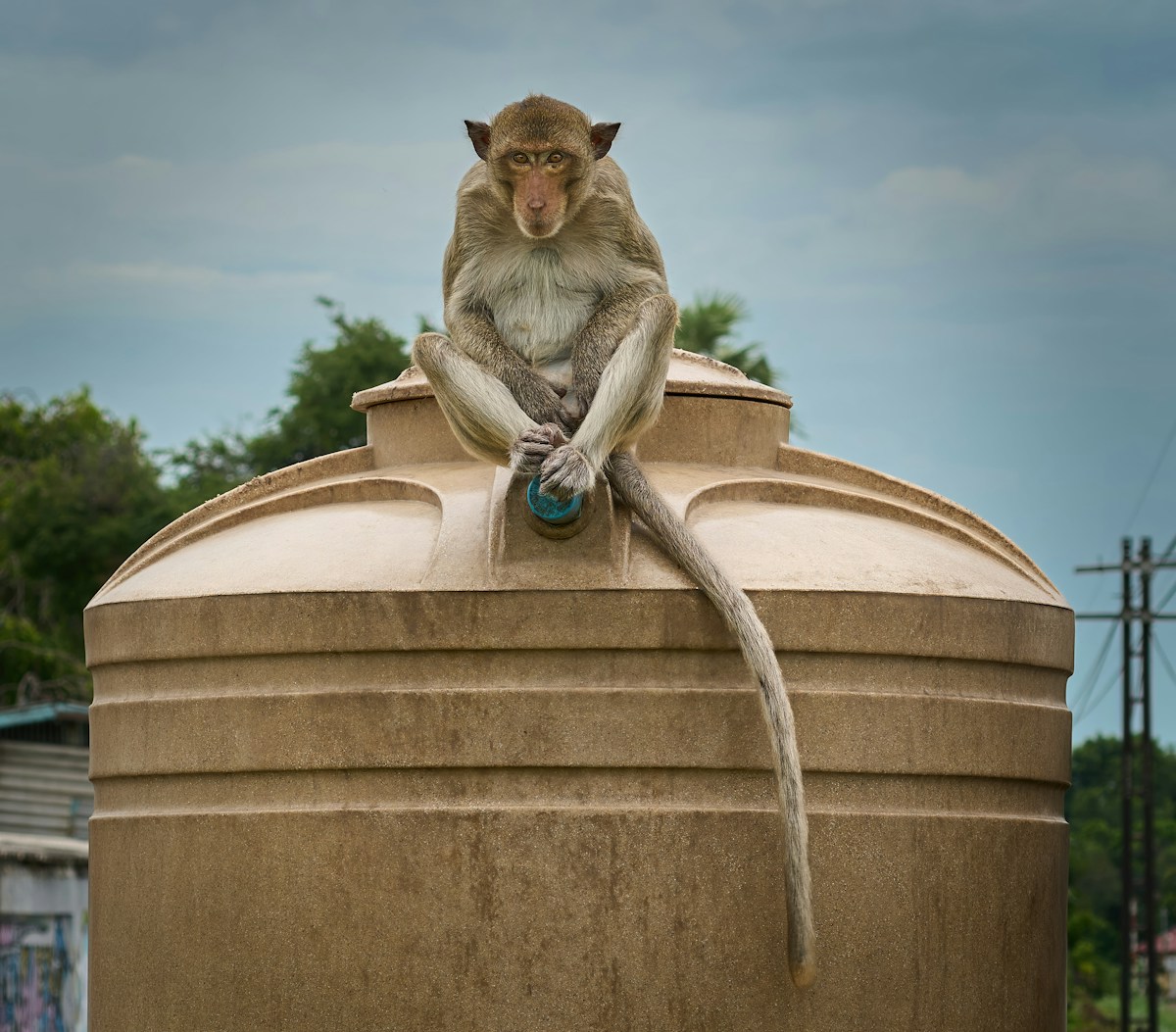
The monkeys
The macaques are the primary reason most visitors come. The colony at Prang Sam Yot (the main Khmer ruin) and the surrounding blocks numbers several hundred animals. They are entirely free-roaming and have claimed the ruins, the adjacent shrine, and the market stalls around the old city centre as their territory.
The annual Monkey Buffet Festival (last Sunday of November) involves setting out elaborate spreads of fruit and vegetables for the monkeys - a local tourism event that draws large Thai and international crowds.
Practical notes: wear sunglasses to protect your eyes from monkey hands, keep bags zipped and close to your body, do not bring food, and watch your phone - monkeys have learned that phones can be traded back to humans for food.
Khmer ruins
Prang Sam Yot - Three connected prangs (Khmer towers) from the 12th–13th century, now the monkey colony’s headquarters. The towers are built from laterite and decorated with carved lintels depicting Hindu iconography (Brahma, Vishnu, Shiva). The monkey occupation means close inspection of the lower sections is difficult, but the towers themselves are impressive.
Prang Khaek - A small group of three brick towers at the city’s main roundabout, older than Prang Sam Yot and less visited. The earliest surviving structure in Lopburi.
Wat Phra Si Ratana Mahathat - A large temple complex begun in the Khmer period and expanded through the Ayutthaya era. Large standing Buddha images in the ruins. Entry: ฿50.
King Narai’s Palace
King Narai moved his court from Ayutthaya to Lopburi in the 1660s, partly for strategic reasons (easier to defend) and partly to escape court politics. The palace complex (Phra Narai Ratchaniwet) is now an open archaeological site with the foundations of audience halls, a French-designed water system, and the Narai National Museum in the surviving buildings. Entry: ฿150 as of 2026. Open Wednesday–Sunday, 8:30am–4:30pm. The museum section has good English-language displays. Allow 1–2 hours for the full complex.
The nearby Baan Vichayen (Chevalier de Chaumont Residence) - the ruins of a European-style residence built for foreign ambassadors during King Narai’s reign - adds context to Lopburi’s unusual period as an international diplomatic centre. Entry: ฿50.
Sunflower season
From October to January, the agricultural land between Lopburi and Sing Buri turns yellow with sunflower fields. Farmers grow them as a rotation crop between rice seasons and tolerate tourist visits to the fields. The best fields are visible from Highway 1 and the small roads near Muang Lopburi. No entry fee at most fields - check with locals on arrival as specific fields change each year.
See our full Lopburi accommodation guide for hotel picks across every budget.
Where to eat
Eating: The market near Prang Sam Yot has food stalls selling standard Thai dishes (฿30–50 per plate). Bualuang Restaurant on the main road is a local favourite for Thai-Chinese food - try the pla kapong neung manao (steamed sea bass with lime, approximately ฿150–200). The night market near the train station operates from 5pm with southern-central Thai dishes, noodle soups, and grilled meats.
Practical information
Getting there - Train from Bangkok Hua Lamphong (2–2.5 hours, ฿28–160). Bus from Bangkok Mo Chit terminal (2–3 hours, ฿100–120). Easily done as a day trip from Bangkok, or combined with Ayutthaya (60km south) for an overnight trip.
Getting around - The old city with the monkey colony, Khmer ruins, and King Narai’s Palace is compact and walkable. Songthaews run the main road for longer distances (฿10–20). For the sunflower fields, hire a motorbike or arrange a tuk-tuk (approximately ฿300–400 for a circuit).
Best time - November to February. November is ideal if sunflowers and the Monkey Buffet Festival are priorities. The festival falls on the last Sunday of November - book accommodation well in advance for that weekend. Lopburi is commonly visited alongside Ayutthaya on a two-day trip from Bangkok; browse day tours covering Lopburi and Ayutthaya if you want transport and a guide handled in one booking.
Book your Lopburi trip: Hotels in Lopburi · eSIM for Thailand
See also: Things to do in Lopburi · Ayutthaya travel guide · Bangkok travel guide · Getting around Thailand · Best time to visit Thailand · Best tours in Thailand
Upcoming Events in Lopburi
- Wonderfruit Festival
Wonderfruit 2026: 17-21 December near Pattaya. Arts, music, and sustainability festival with international artists, food markets, and wellness activities.
Book an experience
Top experiences in Lopburi
Explore the best tours and activities in Lopburi , with instant confirmation and free cancellation on most bookings.