Lampang Travel Guide: Horse Carriages and Teak Heritage
Lampang travel guide: horse carriages, Wat Phra That Lampang Luang, the Thai Elephant Conservation Centre, and Lanna teak architecture.
Guides for Lampang
Lampang at a glance
Lampang is northern Thailand’s second-largest city, 100km southeast of Chiang Mai in the Wang River valley. It’s less visited than Chiang Mai and retains more of a working provincial atmosphere - the old town has intact teak merchant houses, active temples, and a riverside neighbourhood that hasn’t been heavily developed for tourism. The horse-drawn carriage is Lampang’s emblem - they still operate from the train station and around the old town for tourist rides (฿150–200 for a short circuit).
Thai Elephant Conservation Centre
The government’s main elephant welfare facility, located 35km northwest of town near Hang Chat. Unlike private sanctuaries, the TECC was established by the Thai government and Forest Industry Organisation to care for government-owned working elephants. It houses around 50 elephants and focuses on health, breeding, and mahout training.
Morning programs (8:30am): visitors observe the elephants bathing in the river and being fed - no riding, no performances. The medical centre treats injured and sick elephants. Afternoon programs include watching the mahouts work with young elephants on basic commands for safety handling.
Entry: ฿150 for the centre. Morning elephant show programs (separate from conservation program): ฿100–150. Hours vary - book in advance for conservation programs.
Wat Phra That Lampang Luang
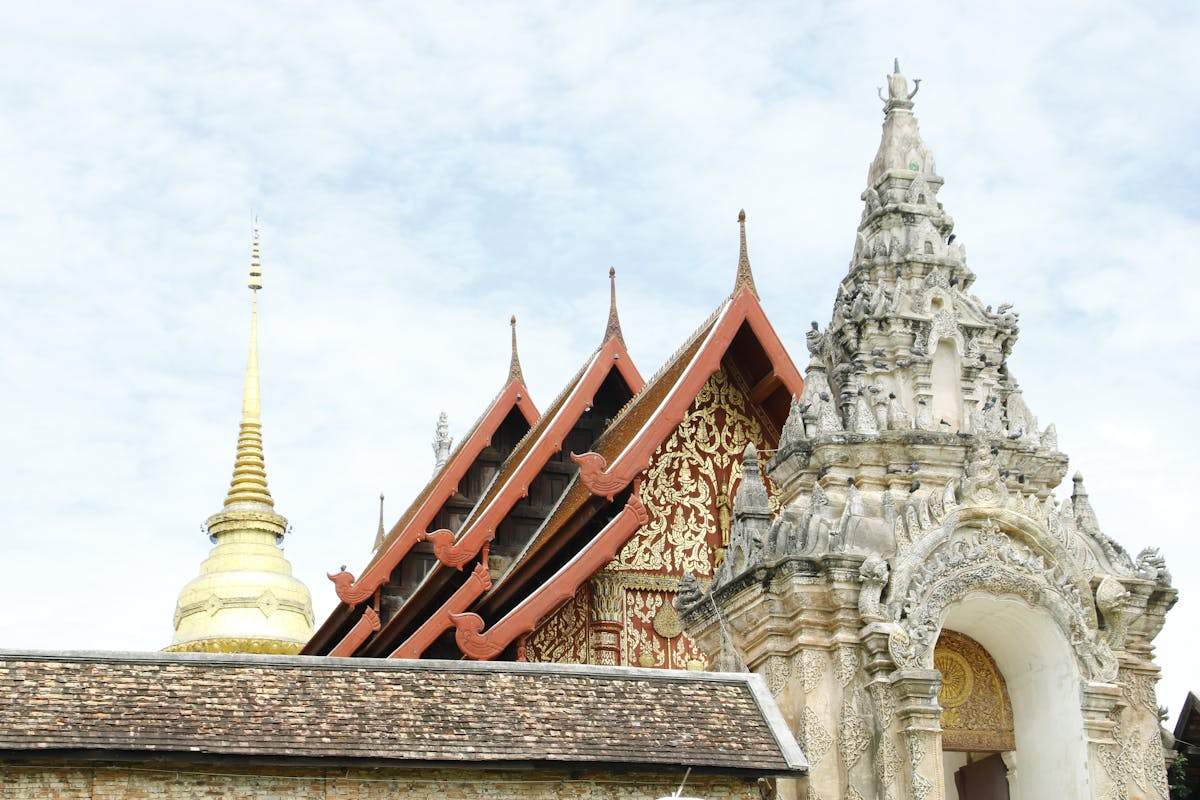
25km southwest of Lampang in Ko Kha district. One of the finest surviving examples of Lanna temple architecture - a walled compound containing five viharns (assembly halls) built between the 11th and 16th centuries. The principal building (Wihan Luang) has a triple-tiered golden roof and contains a large standing Buddha.
The compound has an unusual camera obscura effect: natural light entering a small hole in the dark walls projects an inverted image of the chedi onto the interior floor - you can see the golden stupa upside down on the ground. Ask the monks to show you.
Entry: ฿20. Easily combined with a day trip from Chiang Mai by local bus (฿60, 1.5 hours to Ko Kha, then songthaew).
Old Town and teak architecture
The Tipchang and Talat Gao areas near the Wang River have the most concentrated collection of teak shophouses in northern Thailand. Many were built by Burmese teak merchants in the late 19th and early 20th centuries when Lampang was a major logging centre. The Baan Sao Nak (Many Pillars House) - a Burmese-style teak mansion built in 1895 on 116 posts - is open as a museum (฿50 entrance).
Kad Kong Ta Walking Street - Saturday and Sunday evenings, the riverside road transforms into a walking street market with Lanna food, handicrafts, and live music. One of the most authentic provincial walking markets in northern Thailand. Food stalls from approximately ฿30–60 per dish. Opens around 4pm.
See our full Lampang accommodation guide for hotel picks across every budget.
Where to eat
Eating: Aroy One Baht on Talat Gao Road is a popular local restaurant serving northern Thai dishes - khao soi, nam prik ong (tomato chilli dip with pork), and sai oua (northern sausage). Mains from approximately ฿50–100. The riverside restaurants along the Wang River serve fresh fish and Thai-Chinese dishes (mains ฿80–180). For breakfast, the Talat Gao (old market) area has early morning noodle and congee stalls (฿30–40).
Ceramic heritage
Lampang has been a centre for Thai ceramics (particularly the distinctive chicken-patterned bowls that are the city’s symbol) for over a century. Several ceramic factories on the outskirts of town are open to visitors - Dhanabadee Ceramic Museum on the road toward Chiang Mai is the most visitor-friendly, with a small exhibition and a painting workshop where you can decorate your own bowl (approximately ฿150–200 per person). Open 8am–5pm.
Practical information
Getting there - Train from Chiang Mai (1.5 hours, ฿23–200). Bus from Chiang Mai Arcade terminal (2 hours, ฿80). Train from Bangkok (10–11 hours overnight, ฿200–800 depending on class). Lampang is on the main Bangkok–Chiang Mai rail line, making it a convenient stopover.
Getting around - Horse carriages for the old town circuit (฿150–200 for approximately 30 minutes). Songthaews for the city. Rent a vehicle for Wat Phra That Lampang Luang and TECC - both are outside the city and not served by regular public transport. For day trips and activities in northern Thailand, browse tours available from Lampang and the surrounding region.
Best time - November to February (cool season). The Lampang Luang Festival in February includes a candlelit procession and temple fair. March–April brings the northern smoky season - air quality is poor throughout the upper north during this period.
Book your Lampang trip: Hotels in Lampang · eSIM for Thailand
See also: Things to do in Lampang · One week in northern Thailand · Getting around Thailand · Best tours in Thailand
Upcoming Events in Lampang
- Wonderfruit Festival
Wonderfruit 2026: 17-21 December near Pattaya. Arts, music, and sustainability festival with international artists, food markets, and wellness activities.
Book an experience
Top experiences in Lampang
Explore the best tours and activities in Lampang , with instant confirmation and free cancellation on most bookings.